World Marrow Donor Day: India Performs 4,000 BMTs A Year Against A Need For 40,000, Experts Say
India needs more than 40,000 bone marrow transplants a year but currently performs only around 4,000, leaving a significant gap in access.

By Anubha Jain
Published : September 22, 2026 at 7:00 AM IST

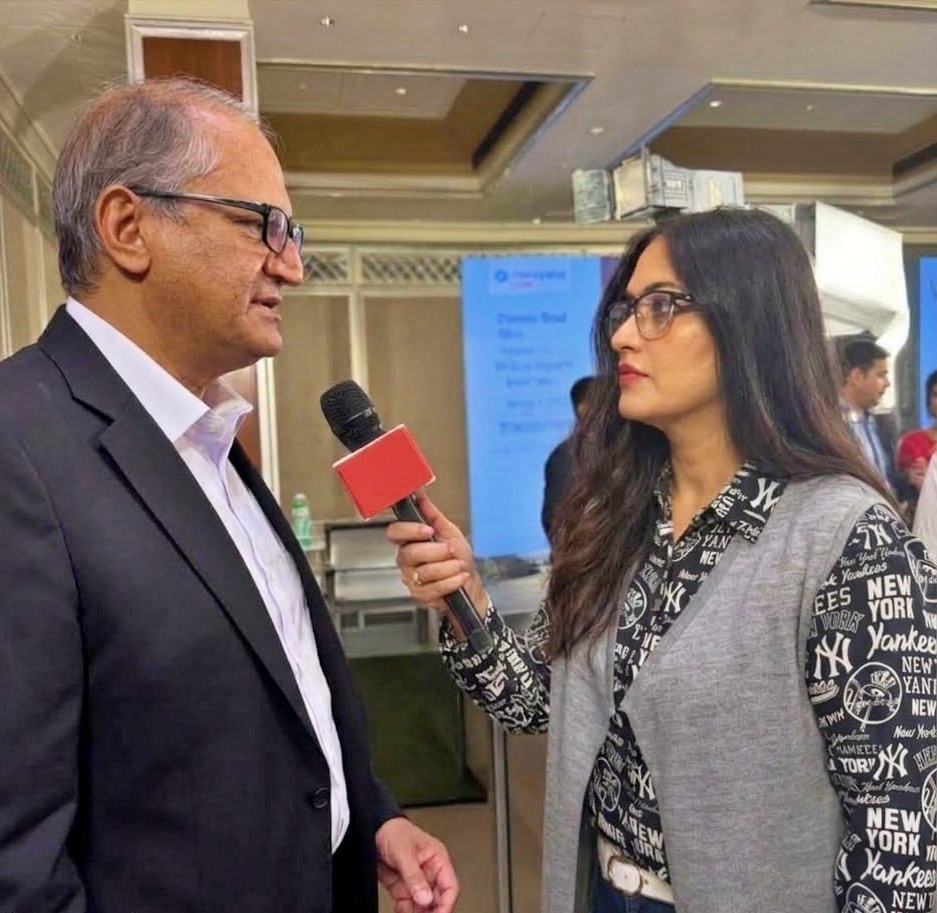
On World Marrow Donor Day, experts say that India needs to expand its bone marrow transplant (BMT) capacity severalfold. “It was a herculean task when it was started, since the procedure was still relatively new in India. Let's see how we can take BMTs from 4,000 a year to 40,000 transplants annually,” says Dr Devi Shetty, Founder and Chairman, Narayana Health.
Dr Radheshyam Naik, Founder, Medical Director and Head of Medical Oncology, Haematology and Bone Marrow Transplantation at Sammprada Hospital, Bengaluru, says that 15-20 years ago, only a handful of centres in India performed BMTs, with most carrying out relatively straightforward, predominantly autologous transplants. Over the past decade, however, the number of transplant centres and annual procedures has increased manyfold. While expertise and infrastructure have improved significantly, major challenges remain, including donor availability, affordability, public awareness and access to transplantation beyond major cities.
Why Bone Marrow Transplant Is Such An Intensive Treatment
Unlike solid-organ transplants, where the major surgical procedure is a defining part of treatment, BMT is a prolonged process involving conditioning, transplantation and intensive post-transplant care. “Patients may need to remain in the hospital for around a month. We suppress the immune system and destroy the existing bone marrow so that the new marrow can engraft and take over,” says Dr Sunil Bhat, Director – Paediatric Haemato-Oncology & BMT, Narayana Health City. “For the next two to three weeks, patients are extremely vulnerable to infections and other complications, with potentially any organ being affected,” he said, adding that round-the-clock monitoring during this period is a critical part of treatment.
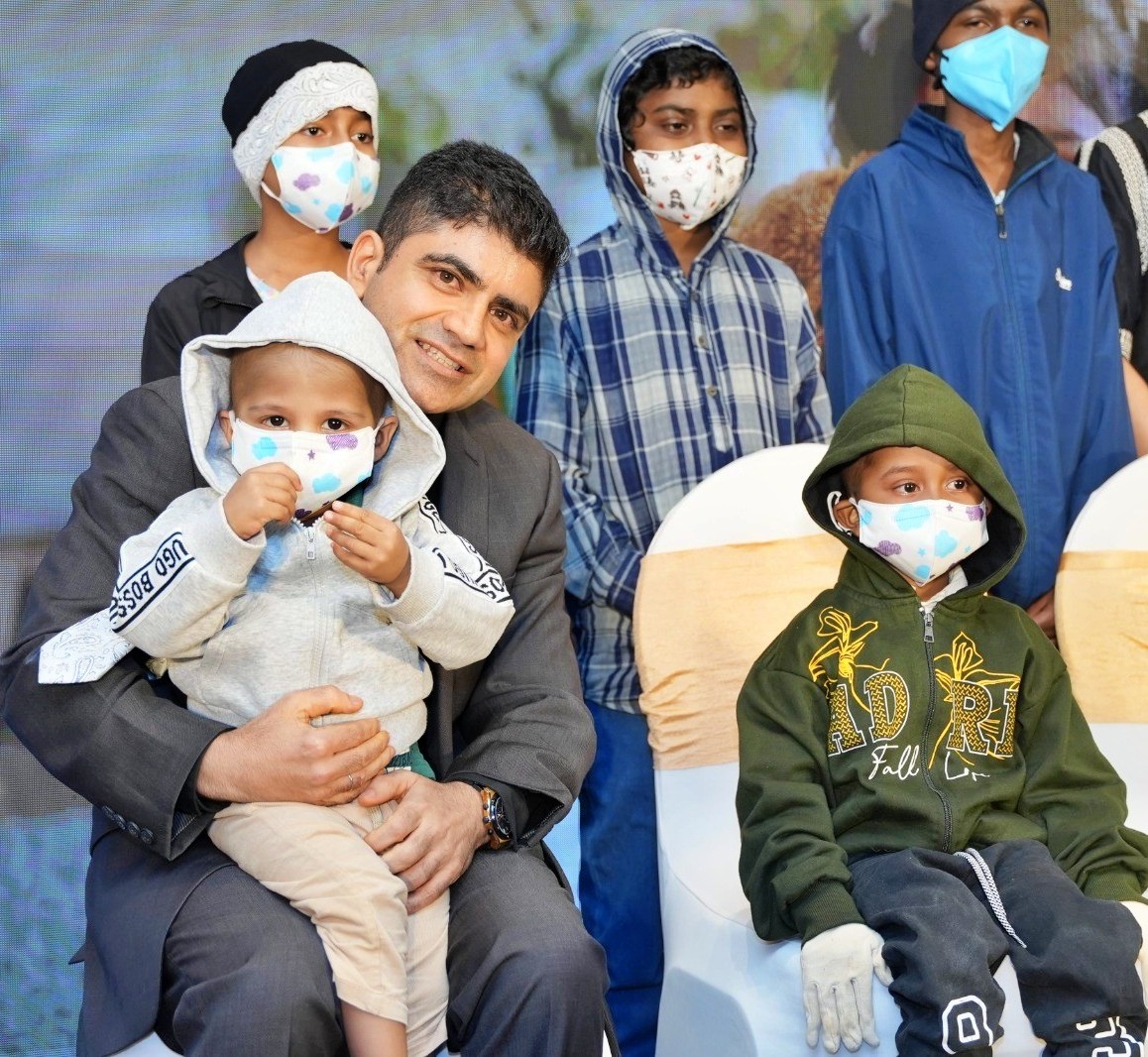
Dr Shetty and Dr Bhat said growing clinical experience, specialised expertise and a better understanding of transplantation have significantly improved the quality of BMT care in India. Leading centres now offer treatment comparable with international standards. But capacity remains concentrated in a relatively small number of centres. For tier-2 and tier-3 cities, the biggest challenge is building and retaining specialised expertise, Dr Shetty says. Becoming a BMT specialist requires years of training, while the number of specialised training seats and centres equipped to provide that training remains limited.
Also read: Bone Marrow Transplant Explained: Who Can Get It, Who Can Donate And What Patients Need To Know
Infrastructure is another hurdle. “BMT requires a highly specialised, isolated hospital unit, along with extensive laboratory facilities, a blood bank and other infrastructure, all of which require significant investment. This is viable only when a centre performs a large number of transplants,” Dr Shetty says. “If it does just one or two a month, the investment is not justified. That is why BMT services remain concentrated in a few high-volume centres,” he adds.
Cost Remains A Major Barrier To Wider Access
Cost is another major obstacle to scaling up transplantation. Dr Shetty says a BMT in India typically costs around Rs 12-20 lakh, compared with Rs 6-7 crore abroad. “Treating complex infections alone can be extremely expensive, and some antibiotics are not manufactured in India. We need to increasingly manufacture medicines and other BMT-related components domestically,” he says. He adds that greater use of technology, wider insurance coverage and government healthcare programmes could help bring transplantation within reach of more patients.
Dr Naik says inadequate financial coverage remains a problem, while some hospitals perform relatively few BMTs and may not have sufficient experience to manage severe complications. Late referral is another concern. “Lack of awareness among doctors is another barrier, with some children being referred late, when they are already critically ill, and BMT may not have been considered as an option,” Dr Bhat says.
Half-Matched Donors Are Expanding Transplant Options For Children
Finding a suitable donor can be one of the biggest challenges for children who need a transplant. Dr Naik says haploidentical (half-matched) transplantation has expanded options for patients who cannot find a conventional donor. However, these transplants can carry significant toxicities and a risk of graft rejection.
Dr Bhat says a matched sibling donor (MSD) has traditionally been preferred but is available to only around 20-25% of patients. A matched unrelated donor (MUD) can be sought through donor registries, but is found in only around 10-15% of cases. “As a result, 60-70% of patients may have no conventional donor match. Almost every child will have a parent, sibling or other family member who is a half match. Earlier, this was possible only in selected cases. Today, we can effectively use half-matched donors,” Dr Bhat said. However, he emphasised that haploidentical transplantation carries higher clinical risks and requires greater expertise and more complex post-transplant management.
In children, indications for BMT broadly fall into cancerous and non-cancerous conditions. “Among non-cancerous conditions, thalassaemia accounts for the largest number of transplants in India, given the large number of children born with the disorder. Other indications include sickle cell disease, aplastic anaemia, immunodeficiencies and certain genetic and storage disorders,” says Dr. Bhat.
The potential impact of transplantation can be seen in the journey of Yash (name changed), 5, and his three-year-old brother Zishan (name changed), both of whom had transfusion-dependent thalassaemia major and required regular blood transfusions from infancy. Both underwent haematopoietic stem cell transplants, with their parents serving as donors. Despite challenges during recovery, both responded well to treatment and continue to do well under regular follow-up, with the possibility of living transfusion-independent lives.
BMT Does Not End With The Transplant
A successful transplant is only one stage of a much longer journey. In the short term, patients face risks including infections, bleeding and other complications associated with prolonged hospitalisation and immune suppression. Longer-term follow-up is particularly important for children, Dr Bhat says.
Doctors monitor growth, development, hormonal changes and puberty, while encouraging healthy lifestyle habits to reduce the risk of obesity, hypertension and, in some cases, secondary cancers. “Strict follow-ups are important during the first year. After that, they can return to school and usually do not need medication. We continue to monitor them every 2-3 years to ensure they are growing well and remain healthy,” Dr Bhat says.
Dr Naik says advances in tissue matching, donor registries, supportive care, chemotherapy and the management of graft-versus-host disease (GVHD) have improved BMT outcomes. But donor availability remains a significant gap. “The donor pool is quite small compared with India’s population. People often hesitate to enrol and undergo HLA typing,” he says. Early identification of a suitable donor is particularly important in conditions such as leukaemia and aplastic anaemia, Dr Naik adds. “Performing BMT early in the course of the disease can improve efficacy and reduce adverse events,” he says.
For India to move from roughly 4,000 transplants a year towards the 40,000 target cited by experts, the challenge is not simply performing more procedures. It requires a larger ecosystem: more trained specialists, more transplant centres, stronger donor registries, better referral pathways, affordable treatment and sustained post-transplant care.
Also read:
- Bone Marrow Transplant Restores Kolkata Patient After Docs Spot Rare Disease From His Bleeding Gums
- Bone Cancer Awareness Month: A Visual Explainer On Symptoms And Risk Factors Of This Rare Form Of Cancer
- Nutrition And Movement Are The Two Recovery Tools Bone Cancer Patients Often Forget
- Sitting All Day Hurting Your Body? How Physiotherapy Can Help Undo The Damage