Explainer: Walking and Cycling Tick All Boxes, From SDGs to Road Safety, WHO's Toolkit Makes a Case for Redesigning Cities Around People, Not Cars
Insights from WHO's toolkit into how walking and cycling are intricately tied to the United Nations' targets for 2030: the Sustainable Development Goals (SDGs).

Published : May 10, 2025 at 1:43 PM IST

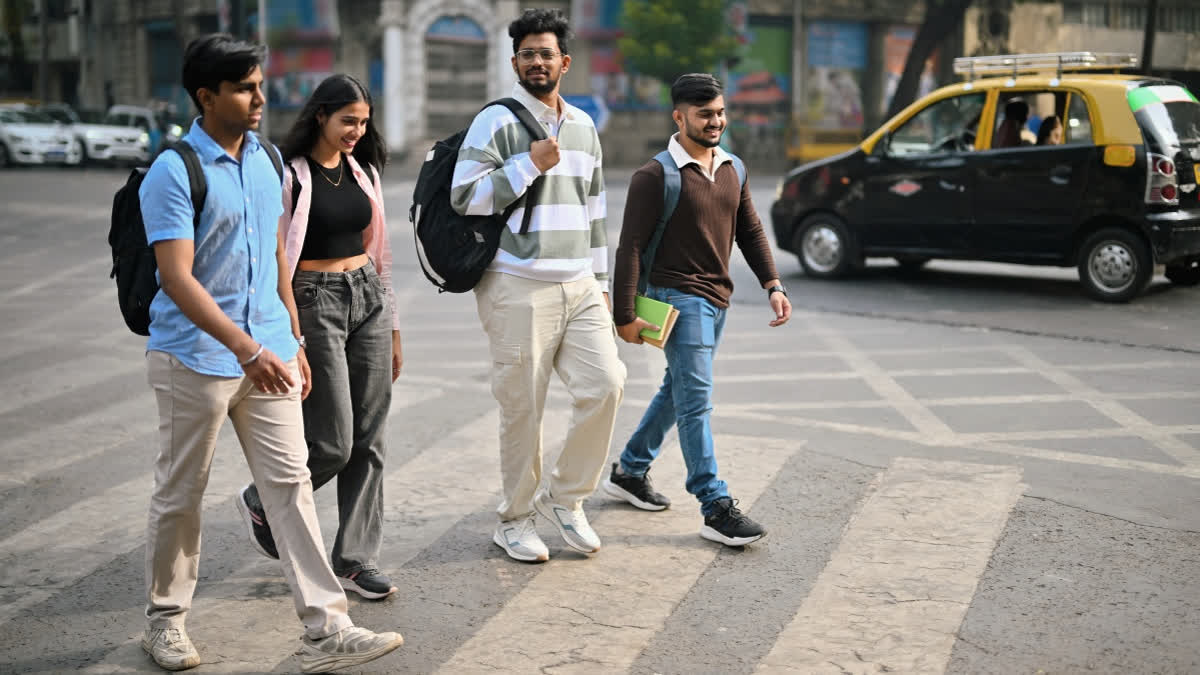
The simple act of walking to your neighbourhood shop or cycling to work might seem unremarkable at first glance, but these daily movements are revolutionizing urban life, public health, and global sustainability goals. With the release of the World Health Organization's Walking and Cycling Policy Toolkit, the case for embracing active mobility has never been stronger.
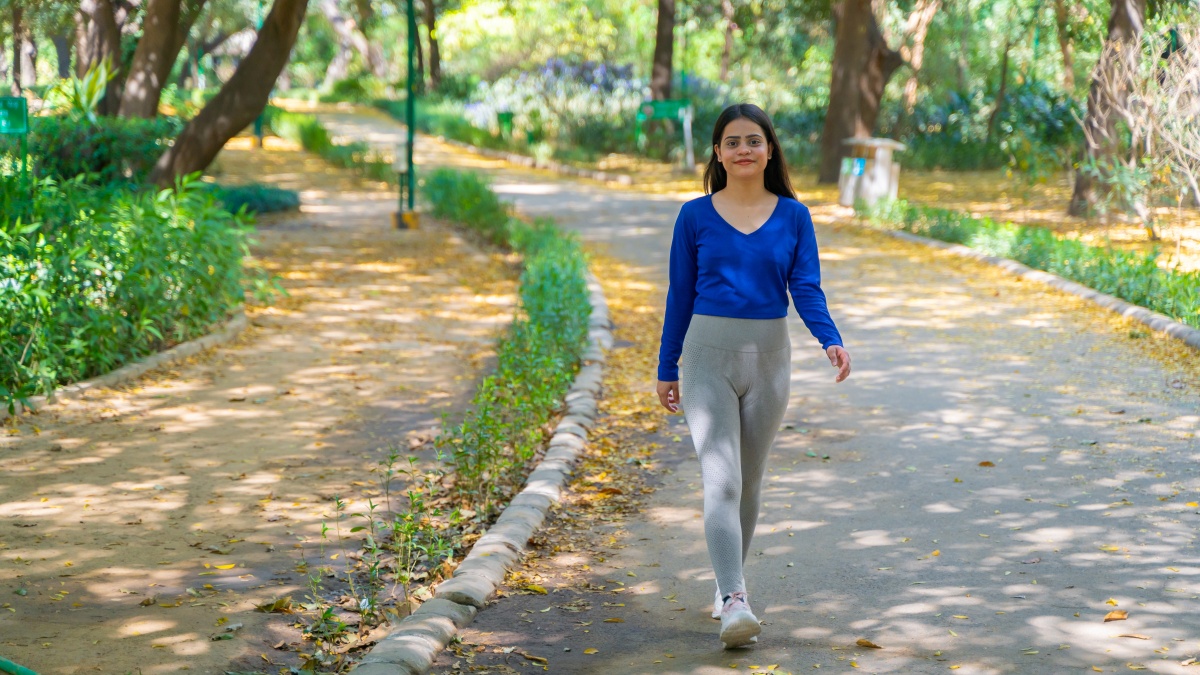
We tend to treat walking and cycling as exercise... something you do intentionally. But the new WHO Toolkit invites us to reframe them as infrastructure for survival. Regular physical activity through walking and cycling can help prevent up to 5 million premature deaths annually and cut global healthcare costs by up to $300 billion by 2030. Beyond physical health, these low-tech, zero-emission modes of transport are also linked to better mental health, stronger immunity, reduced risk of chronic diseases, and improved cognitive function. All without a single pill. This shift in perspective aligns seamlessly with SDG 3 (Good Health and Well-being), aiming to reduce premature mortality from non-communicable diseases (NCDs) by one-third. "Walking is gentle on the joints and can even improve joint health by lubricating and strengthening them, It is free and doesn't require any equipment,” says Bengaluru-based yoga expert Kamala Bharadwaja.
Road Safety Is a Climate Issue
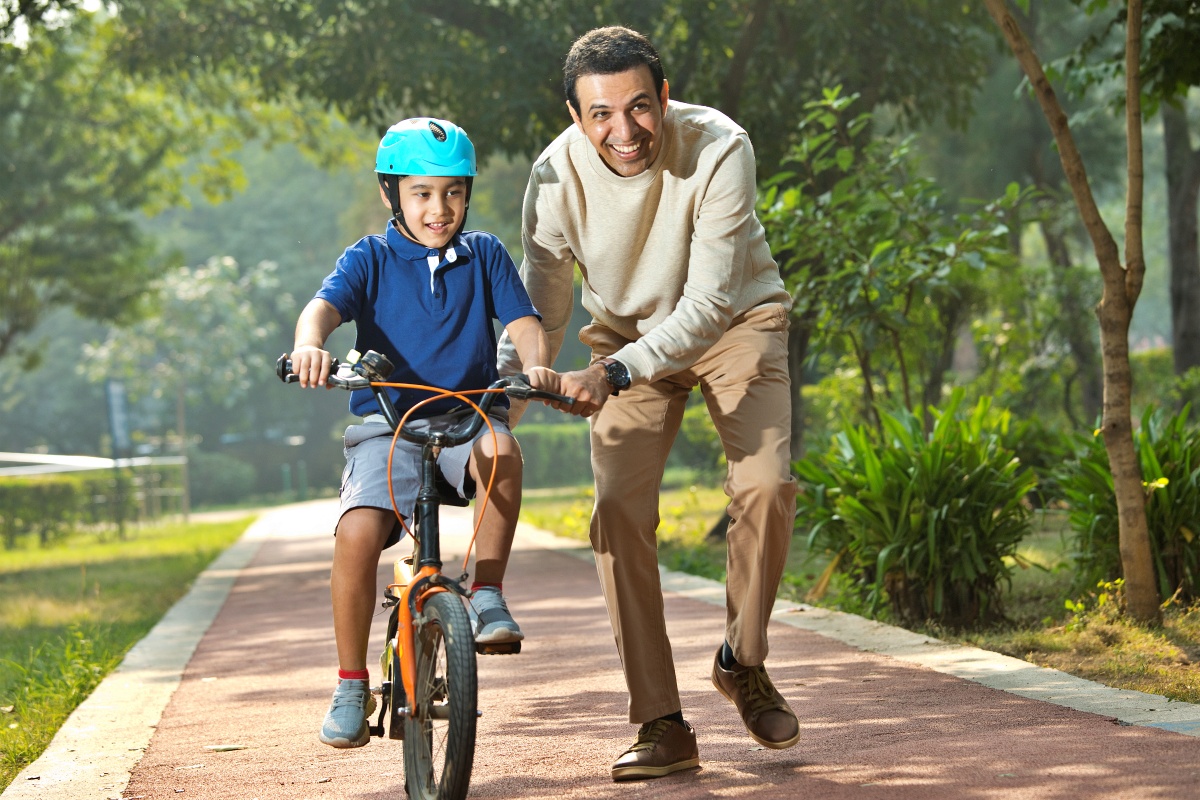
If walking and cycling are health interventions, they are also public safety interventions. Globally, 1.2 million people die annually in road crashes. More than half of these are pedestrians, cyclists, or users of two-wheelers. Walking and cycling (ironically) are some of the most dangerous activities in motorized cities. But in cities where infrastructure favours both activities, these very groups are safer. It's called the “safety in numbers” effect: when more people walk or cycle, the environment becomes safer for everyone. With urban redesigns and traffic-calming measures, these modes of transport help cities inch closer to SDG 3.6, which aims to halve road traffic deaths by 2030.
Carbon Footprint
The fastest way to cut urban emissions isn't high-tech, it's a bicycle. According to the WHO report, nearly a quarter of all carbon emissions come from vehicular transport. But 35–45% of all urban trips are within walking or biking distance, and yet most of these are still taken by car. Replacing short car trips with active mobility could dramatically reduce air and noise pollution and bring cities closer to SDG 13 (Climate Action) and SDG 11.6 (reducing environmental impact of cities). This is where the real power lies not in large, expensive overhauls, but in shifting the mode of how we move.
Walking and Cycling as Equalizers
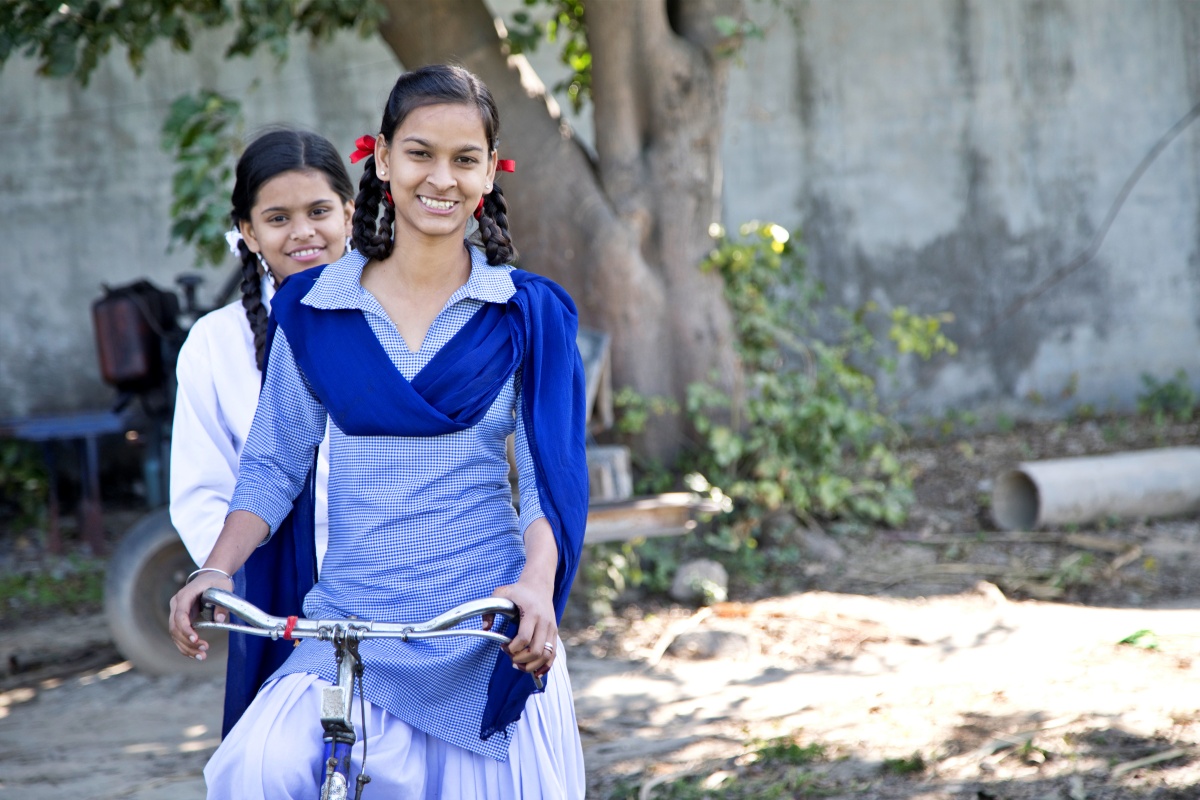
One of the most fascinating findings in the report is the link between active mobility and social justice. In low-resource settings, walking and cycling are lifelines. For many, they are the only way to reach school, work, or the doctor's clinic. Improving infrastructure for these groups is strategic more than plain ethical.
Promoting these modes supports SDG 11.2: ensuring access to safe, affordable, accessible, and sustainable transport systems for all, especially vulnerable populations. Walking and cycling-friendly neighbourhoods see a boost in local business, job creation in cycling industries, and increased access to services.
The Economic Upside No One Talks About
Walking and cycling are engines of equitable economic growth. What if cities saw a surge in walking and cycling tomorrow? According to the European Cycling Federation, the EU could see 400,000 new jobs if cycling rates doubled. In France alone, cycling tourism brings in €5.1 billion annually. Cycle lanes, bike maintenance, rentals, tourism, and even courier services are creating ripple economic effects. This directly supports SDG 8 (Decent Work and Economic Growth) by creating green jobs and reducing financial burdens linked to transport and healthcare.
Infrastructure remains a major barrier: just 0.2% of total road length globally has dedicated cycle lanes, and 80% of roads don’t meet minimum safety standards for pedestrians. However, the pandemic proved that rapid shifts are possible. Cities like Paris and Bogotá built pop-up bike lanes overnight. Behavioural change (once assumed slow) turned out to be remarkably elastic.
If this were a tech startup pitch, walking and cycling would be the ultimate MVPs: Minimal Viable Policies. They simultaneously address public health, climate change, road safety, economic inequality, and urban liveability.
Reference:
https://www.who.int/publications/i/item/9789240109902
Read more:
- Surprising Link Between Footpaths and Strokes: Living in a Less Walkable Neighbourhood Might Be Bad for Your Heart
- Walk Off The Weight: Moderate Exercise Stops Hunger in Its Tracks And Helps With Weight Loss
- From Araku Coffee To Ethical Cotton, A Look At Fair Trade In India And How To Support Local Farmers and Artisans