'I Am Not Afraid Of Controversies': Director Anuraj Manohar On Narivetta And Representing Real Events
Director Anuraj Manohar explains how Narivetta revives the Muthanga protest's suppressed truths through a powerful blend of fiction and reality.

By ETV Bharat Entertainment Team
Published : May 26, 2025 at 8:13 PM IST

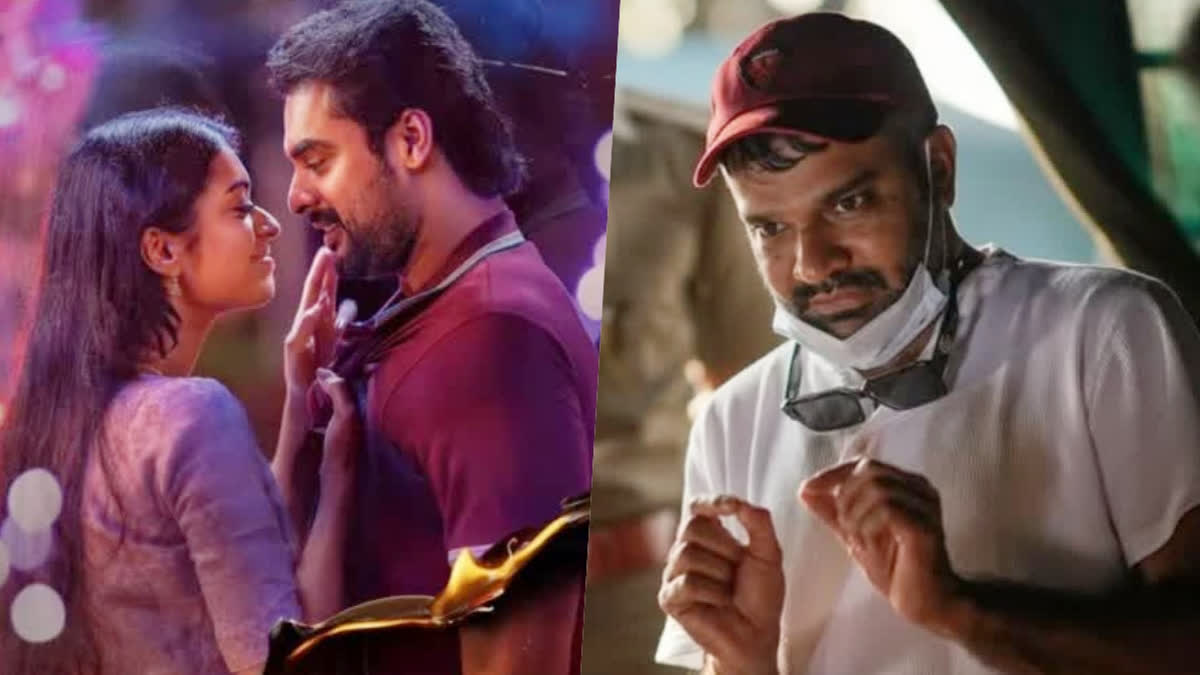
The Malayalam film Narivetta, starring Tovino Thomas, is currently receiving widespread acclaim in theatres across Kerala. The film, directed by Anuraj Manohar, is inspired by the controversial Muthanga Adivasi protest of 2003. Speaking to ETV Bharat after visiting several theatres to gauge audience reactions, Manohar shared his personal connection to the subject, the challenges behind the scenes, and the delicate balance between truth and cinematic storytelling.
"No one dares to speak the truth aloud"
Recalling his teenage years during the time of the Muthanga incident, Anuraj Manohar said, "The Muthanga protest happened in February 2003. I was in the tenth grade back then. I never imagined that years later, that same incident would become the inspiration for a film I'd direct."
The Muthanga protest, which involved the Adivasi Gothra Maha Sabha (AGMS) demanding land rights for tribal communities, turned tragic when police opened fire on protesters. "Many investigative journalists and private probes have tried for years, but still couldn't determine exactly what happened at Muthanga," Manohar said. "Protesters, participants, and opponents all have different versions. So, Narivetta cannot claim to portray the absolute truth. In the film, a young man named Varghese Peter, played by Tovino, attempts to speak the truth. But in reality, no one dares to do that."
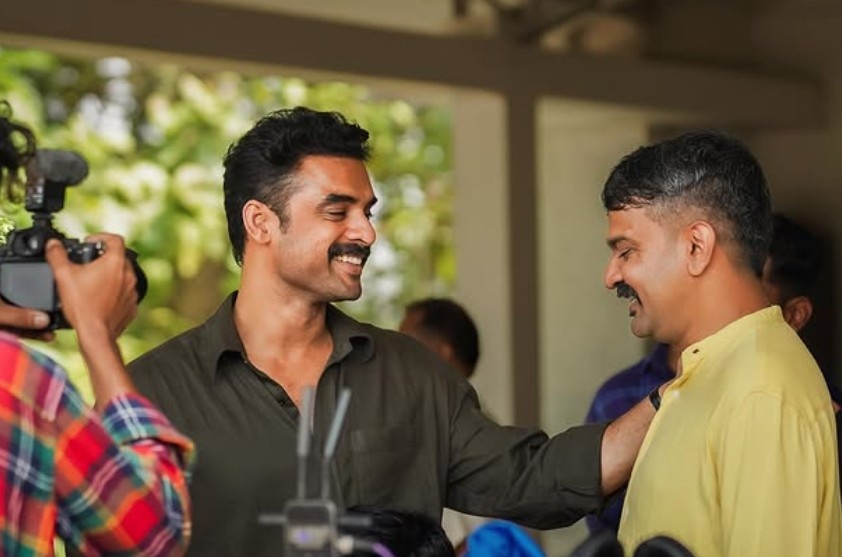
He added, "The police opened fire 18 times on a large crowd, yet it's said that only one Adivasi person died. Who would believe that? Only about six-and-a-half minutes of video footage remains from the Muthanga incident, captured secretly by Kairali TV's cameraman Shaji from atop a tree. Those visuals are difficult to watch for anyone with a heart."
"We made a film, not a documentary"
Emphasising that Narivetta is a fictionalised account, not a documentary, Manohar said, "We made a film, not a documentary. So some things had to be omitted and others added. When writing the script based on real events, creative imagination naturally blends in."
He pointed out that the aftermath of the protest is rarely spoken about. "After the Muthanga incident, people have no idea what happened to those Adivasi communities. Even after the protest, they were harassed by police, subjected to brutal treatment. In many places, the attitude was to beat Adivasis on sight."
"Narivetta also aims to remind the younger generation and the older generation who have forgotten about those truths. Some key figures involved in the Muthanga protest, like Geetanandan, have raised concerns about their representation. But the film has reignited public discussion about Muthanga. Maybe now, more truths will emerge."
A tribute to Naxalite Varghese
The director shared that the life of Naxalite leader Varghese had a deep impact on the script. "He, too, fought for the rights and freedom of Adivasis. His encounter and the revelations of Constable Ramachandran are well-known in Kerala. The way the protagonist reveals the truth in Narivetta mirrors that. That's why we named the character Varghese Peter - in tribute."
The story of Narivetta is more than just cinematic material; it is personal
For Manohar, the story is more than just cinematic material; it is personal. "I have a personal connection to the Muthanga protest and its people. The displaced Adivasis were relocated to Aralam Farm in Kannur, near my hometown, Iritty. I worked with a local channel in that area and saw the initial video footage of the Muthanga incident there."
He continued, "Later, I delved deeper through connections at Kairali TV. This subject was etched in my mind from early on. I had friends from the Adivasi community, people like Mani and Suku, who told me many firsthand stories. Work on Narivetta began after my film Ishq. The moment I conceived a script around this subject, I took it very seriously."
Tovino's commitment and a four-year journey
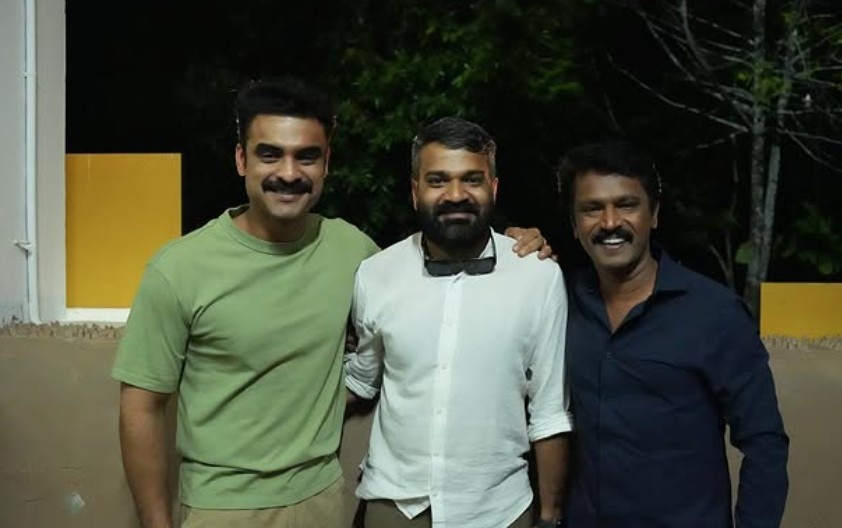
Manohar revealed that Narivetta was in development for four years. "Tovino and I have been friends for 10 years. While planning a different movie, I shared this script with him. He was hooked and said we should move ahead with Narivetta. The screenplay was written by Abin Joseph, and I contributed as a director. Both of us just wanted to make a good film. Abin was open to incorporating my ideas based on experience."
Manohar on the controversies surrounding Narivetta
Addressing the potential controversies surrounding the film, Manohar said, "The Muthanga protest is a case of state terrorism, and that's what the film explores. In Kerala, such topics tend to spark controversy. But I'm not afraid. Only those who lack answers fear controversy. If people want to ask questions, we’re ready with answers. Again, this is not a documentary, but a dramatised film. Yet we haven't taken any unfair or misleading stance, and that's why we're confident."
Cheran's powerful role and logistical challenges
Veteran Tamil actor-director Cheran was brought in to play the role of IPS R Keshava Das. "For the role of Keshava, we wanted someone unique and brought in actor-director Cheran. Initially, he was unsure since it was different from his past roles, but once he understood the Muthanga incident and the script, he agreed. He gave us his full commitment during the shoot and even offered valuable suggestions that benefited the film."
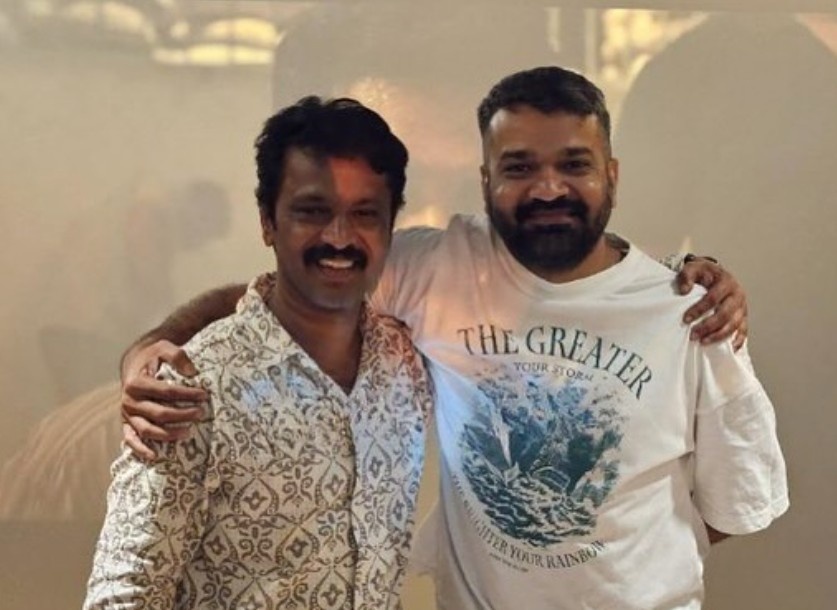
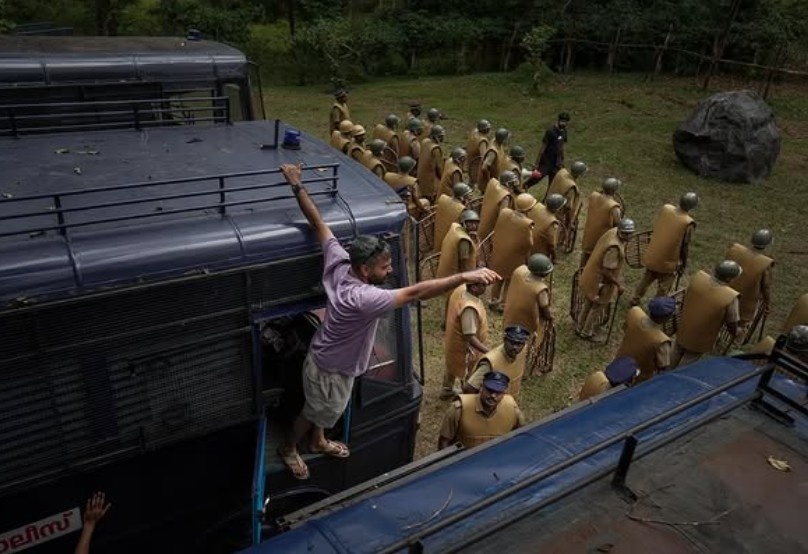
The film also faced major logistical challenges during production. "One of the scenes involved a clash between police and Adivasis, with over 1800 junior artists. Directing such a large scene requires extreme patience, something I admittedly lack," Manohar said. "It rained heavily during the shoot near Bathery in Wayanad, complicating logistics. Still, we managed through solid planning."
Emotion behind the camera
Even behind the lens, the director was moved. "While filming certain emotional scenes of Tovino, I found my eyes welling up. I won't reveal those scenes now, it would spoil the film. But knowing the real pain the people went through back then, some moments made me emotional, even though I was directing fiction. Shooting those parts felt like a small heartbreak."
Choosing the right team
Due to scheduling conflicts, the team couldn't get a Malayali cinematographer. "We wanted a Malayali cinematographer familiar with the geography and political context of Kerala. We even found someone, but he had to drop out last minute due to other projects. That's how we brought in Vijay from Tamil Nadu. Though he wasn't familiar with the real-life events, he beautifully visualised our dreams."
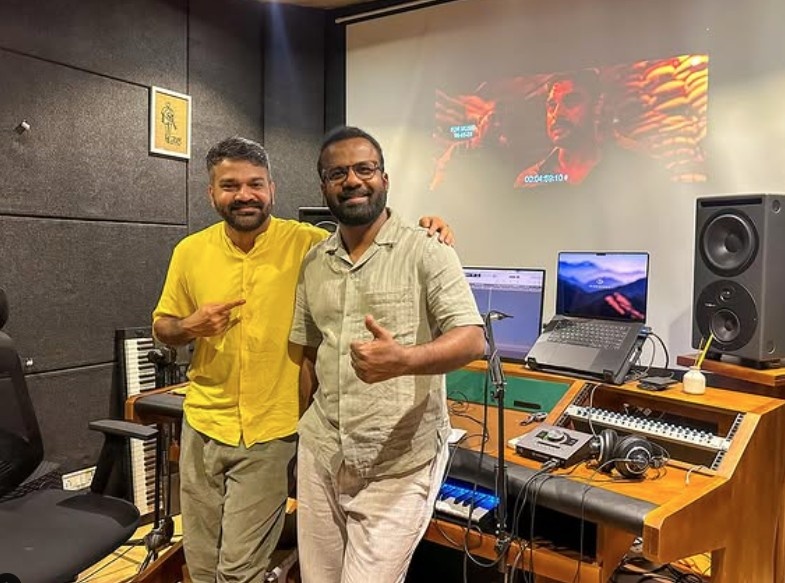
The music, composed by Jakes Bejoy, was another standout. "Jakes was the only choice for music. He also scored Ishq. He's the only composer today who can deliver music that aligns perfectly with the soul of a film. He's like a brother. I can argue with him, request changes that freedom helps. He is a major reason for the success of Narivetta."
A moving response from the audience
"The reactions of audiences leaving the theatre have been overwhelming," Manohar said. "Many were moved to tears, understanding the deep injustices inflicted on a community. The loss of land, the blood spilled in the struggle - it all hits hard. Some viewers, with tears in their eyes, came and hugged me. Their emotional words mean more to me than any award. But I'm torn between feeling joy for the appreciation and sorrow for what the people of Muthanga endured."
"Political films aren't limited to Malayalam cinema"
Manohar concluded with a broader reflection on the state of political cinema. "Malayalis are politically conscious, yes. But political films aren't limited to Malayalam cinema. Tamil cinema, for instance, is also producing films with powerful political messages, like the recent Tourist Family. It's just that we often fail to notice politics in others' work."
"Malayalam cinema has long addressed politics, not just now. The current generation of filmmakers draws inspiration from the past, trying to continue those conversations. Unfortunately, there's a decline in politically bold and experimental cinema today, especially in the OTT era. Everyone's chasing the commercial formula now. In the future, more and more directors may shift focus, because cinema is also a business. Many upcoming films might look alike: no politics, no experimentation."