Kenya Steps Up Crocodile Hunt As Rising Lakes Fuel Conflict
🎬 Watch Now: Feature Video

Published : September 4, 2026 at 9:21 PM IST

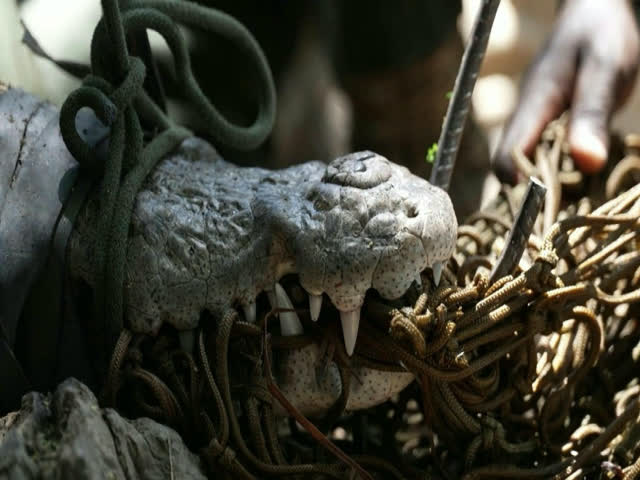
Kenya's wildlife officers are trapping crocodiles on the shores of Lake Baringo in a bid to curb growing human-wildlife conflict as rising waters push the reptiles towards homes. Lakes in Kenya's Rift Valley have risen to levels not seen in at least half a century, with scientists attributing the surge to extreme rainfall linked to climate change. So our aim is to reduce the number of crocodiles, to minimise conflict, and also to balance this ecosystem, says Dominic Mijele, a Wildlife Veterinary Doctor at Kenya Wildlife Service (KWS).
Dominic Mijele, Wildlife Veterinary Doctor, KWS, said, "We want to do the set up here of the nets. Crocodiles are captured using trap nets, capture nets, because they are in water and they don't like coming out. So we set up nets in the water and use some form of bait, meat bait, to attract them. When they come out they get into the net and we kind of trap them in the net."
Dorcas Kiplagat, Fishmonger told AFP: "I feel it would be very good to help us remove those crocodiles because they have really troubled us. They have hurt our children, they’ve devastated our livestock, and just recently one of them took a five-year-old child."