Why India's Waste Challenge Is Not About Technology Or Law But People
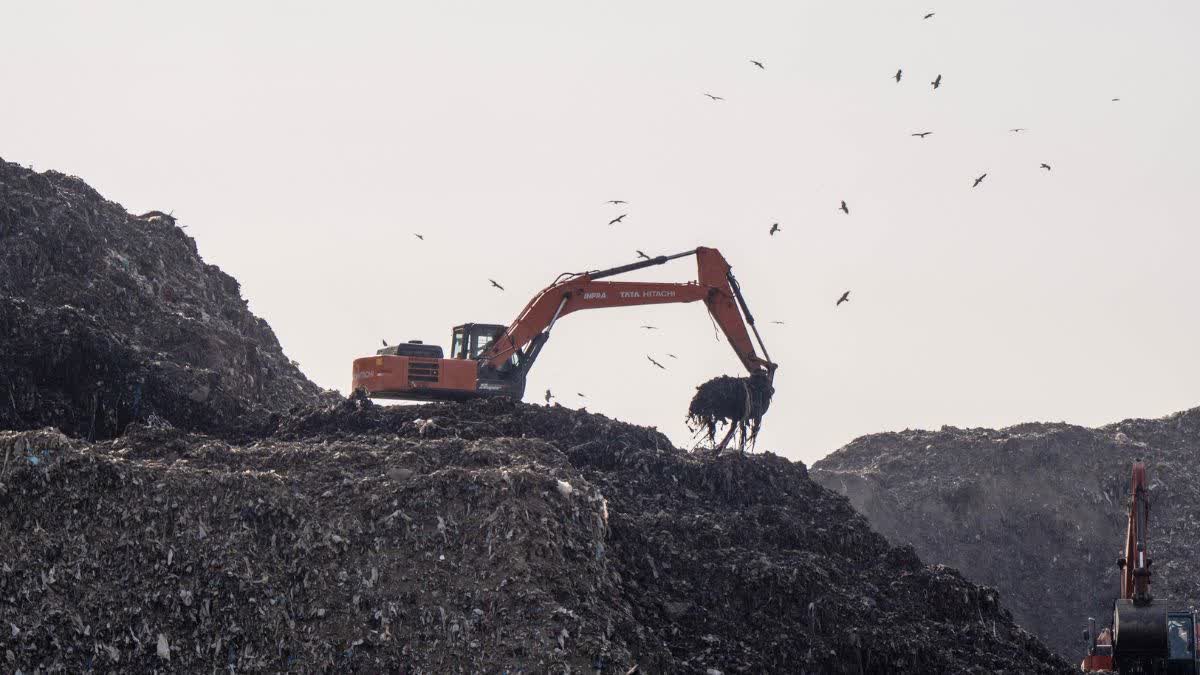
Experts explain that India’s urban waste crisis persists due to poor source segregation, weak public behaviour, and limited use of data for effective implementation.

By Anubha Jain
Published : February 2, 2026 at 2:02 PM IST

Bengaluru: "India already has strong municipal solid waste rules and a clear legal framework. The problem is not the law, but public awareness and behavioural practices," said Srinivasulu, IFS, Principal Secretary, Department of Environment and Ecology, Government of Karnataka.
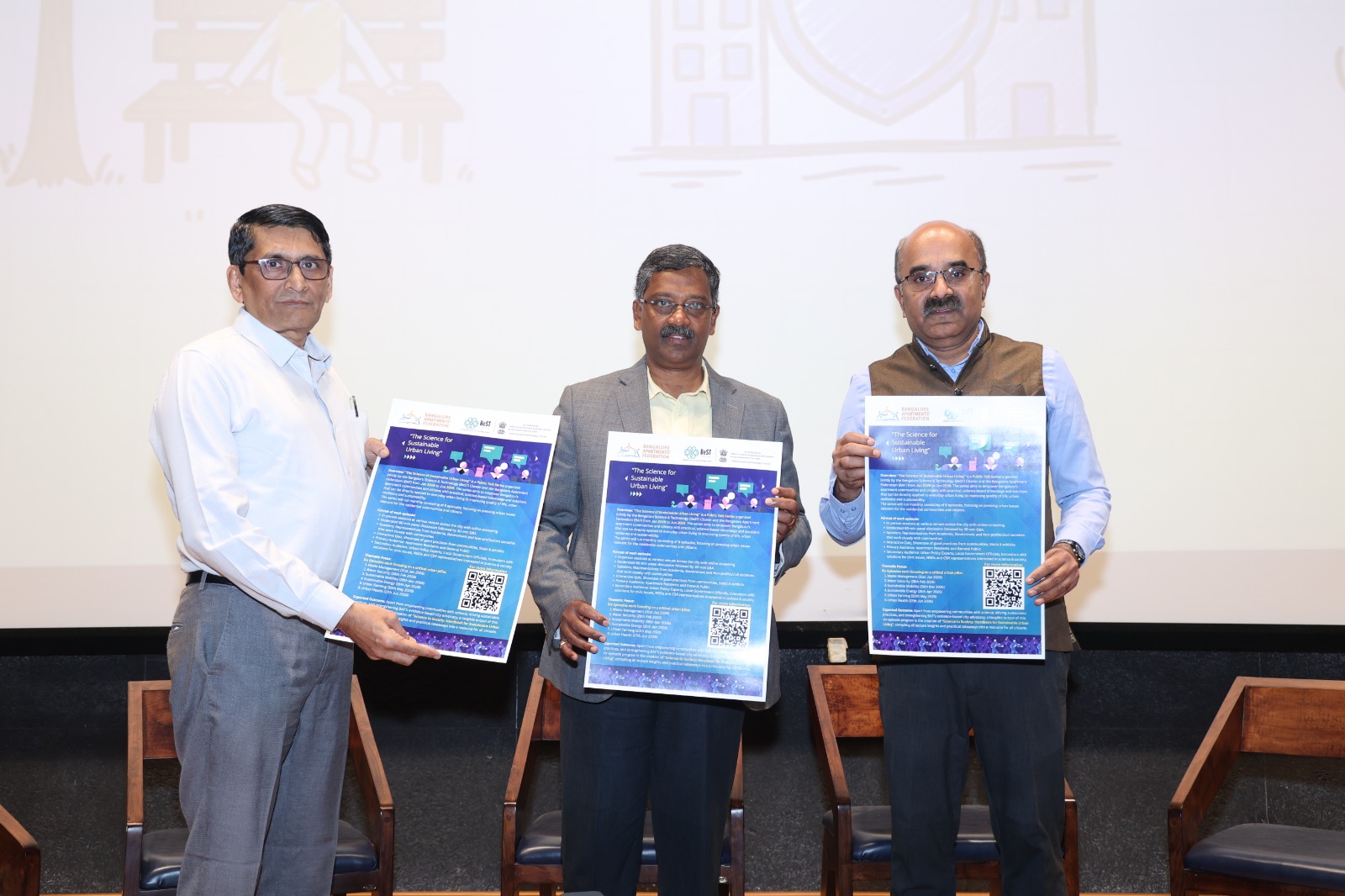
The comment came at the inaugural episode of the Science for Sustainable Urban Living public talk series at the Indian Institute of Science (IISc), Bengaluru. At the event, Srinivasulu highlighted the potential for apartment communities to see waste management not just as a compliance requirement, but as a revenue opportunity—while also supporting sustainable livelihoods for waste pickers.
In a conversation with ETV Bharat, Srinivasulu said India’s waste laws are strong, but weak public behaviour and on-ground implementation limit impact. Enforcement alone won’t work; awareness, incentives, and source segregation are essential, and technology cannot fix mixed waste.
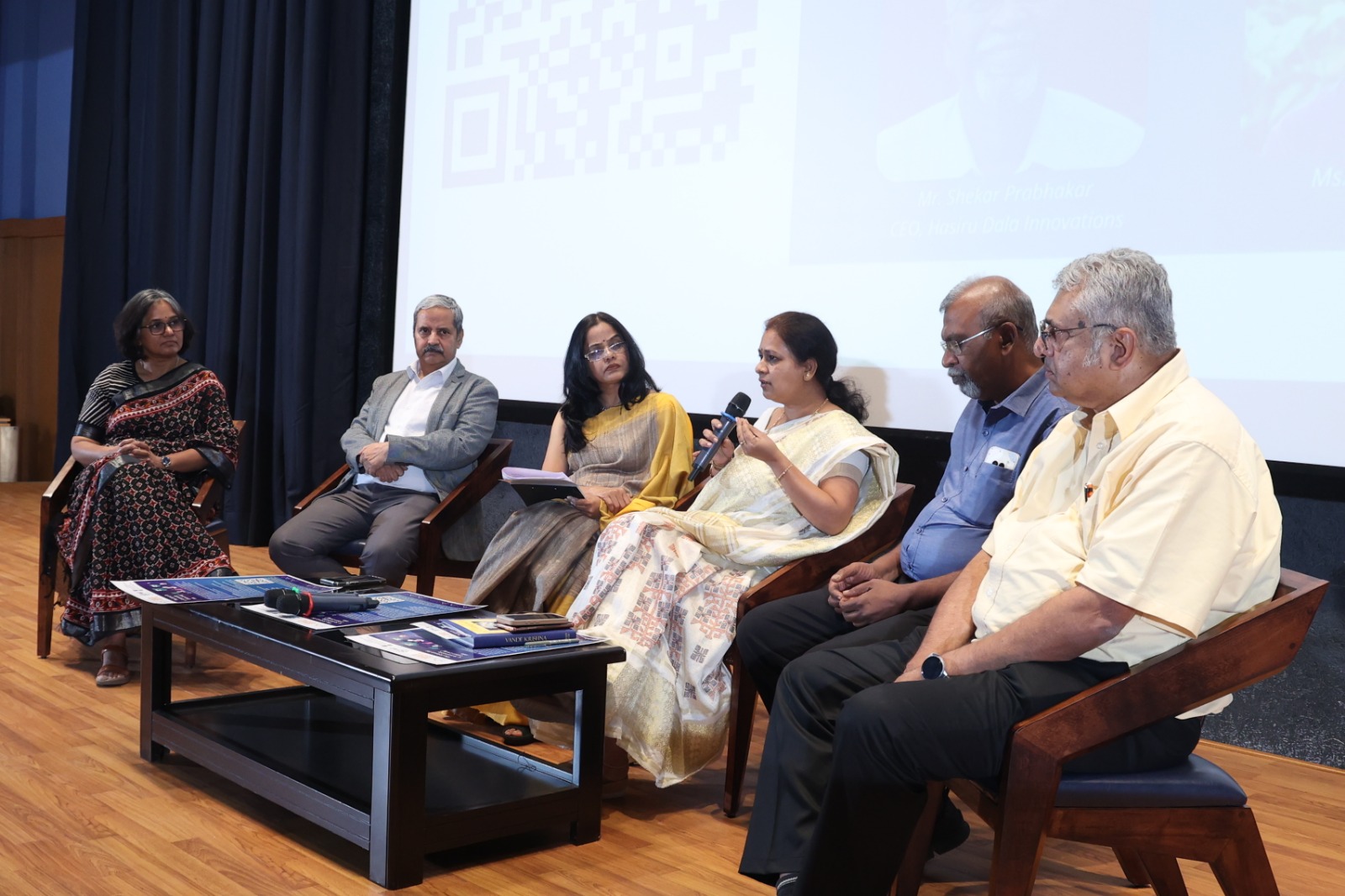
H N Chanakya, Chief Research Scientist (Rtd) at IISc, also believes that Indian cities lack a strong waste culture, making behavioural change critical. He said waste must be treated as a resource, with priority on wet and animal waste, and warned that technology alone—such as biomethanation—cannot work without grassroots participation.
Shekar Prabhakar, CEO, Hasiru Dala Innovations, also talked to ETV Bharat on the subject, stating that India’s waste recovery is driven by the informal sector, making official data incomplete. He stressed using satellite, AI, and GPS data to identify dumping, manage C&D waste, support waste pickers, and cut emissions—by turning data into actionable policy.
System-Level Change: Implementation Challenges and Public Engagement-
Srinivasulu said that India already has strong municipal solid waste rules and a clear legal framework. These rules have been revised, most recently in January 2026. The real challenge lies in public awareness and behavioural practices, he said, adding, "Managing waste segregation is not difficult, but large-scale cultural behaviour change takes time and sustained effort."
He emphasised that economic incentives matter—people are more likely to adopt sustainable practices when they see direct financial benefits. Alongside science and policy, integrating economic incentives is essential to drive lasting behavioural change.
Environmental policies often exist, but implementation lags at the city level. Srinivasulu said that in India, the law is clear and well-defined. The real challenge arises at the implementation level. Municipalities and urban local bodies deal directly with citizens, and unlike industries, citizens cannot be penalised or shut down in the same way. For instance, if an apartment complex with thousands of residents violates rules, it cannot simply be closed.
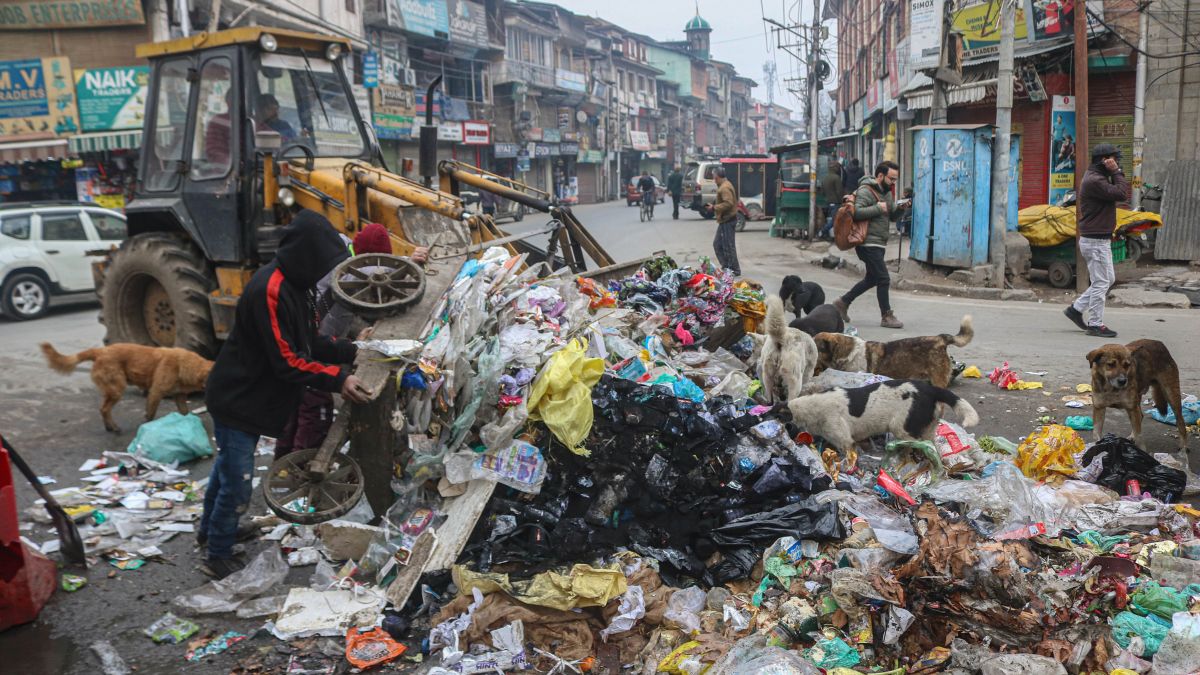
These realities limit aggressive enforcement. Therefore, the solution is not merely stricter laws or enforcement, but stronger public engagement. Educating citizens, building awareness, and demonstrating economic and maintenance benefits can drive behavioural change. Mass mobilisation and awareness programmes are the most effective way forward.
Technology Cannot Replace Segregation
Commenting on emerging technologies in the waste management system, he said that technology is advancing rapidly, and over the years, many solutions have emerged—from plastic reuse and material recovery to biomining. However, the core problem remains unchanged—segregation.
"Segregated waste is an asset, while unsegregated waste is a major liability," he said.
"Although technology can offer solutions, it cannot succeed unless the groundwork is in place. Without proper segregation at the source, technology alone cannot solve the problem," he further said, emphasising the need to rethink planning in large apartment complexes. He said that while sewage treatment plants are prioritised, dedicated spaces for different waste streams are often missing.
"Waste ranges from wet and dry to e-waste, batteries, and hazardous materials, and each requires separate handling. Clearly designated spaces can improve compliance, but current systems remain immature, underscoring the need for a policy shift toward more comprehensive waste management planning," he added.
Using Data to Shape Urban Outcomes
Shekar Prabhakar explained how data can move beyond monitoring to shaping better urban outcomes. He said that much of India’s waste—plastic, paper, and metal—is recycled through the informal sector, which operates with limited data transparency due to cash-based, contract-free transactions. Hence, official city data often reflects only visible indicators like waste truck movements to landfills, missing what is actually recovered or diverted.
| Also read: 'Minus Degree:' The Bihar Startup Recycling 120 Tons of Plastic Annually Into Presidential Souvenirs |
He noted that although cities collect large amounts of data on waste and transport, it is rarely used strategically to set targets or guide action. Prabhakar emphasised that urban data must be linked to clear, measurable goals—whether for air quality, mobility, water, or waste—to track progress, inform policy decisions, and drive real improvements in governance.
Satellite Data, AI, and Waste Management
Commenting on the use of satellite data and AI to transform urban growth management, Prabhakar pointed out that very little has been done with satellite imagery so far. Satellite data can be used to identify waste “black spots”, including illegal garbage dumping areas across cities. By combining satellite imagery with machine learning and AI, there is significant potential to improve urban waste management.
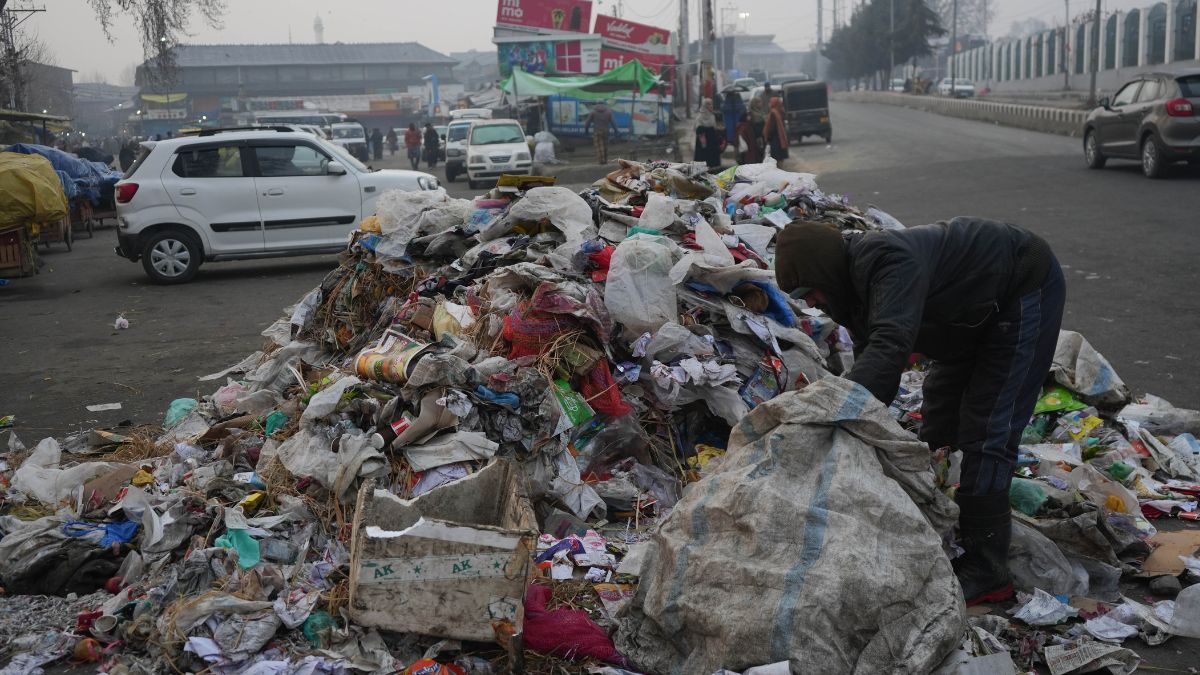
“As a company, we work closely with waste pickers. By sharing waste collection locations with waste pickers ahead of municipal pickups, we help increase their earnings—showing how data can drive clear, purposeful impact,” he said. He highlighted construction and demolition waste as a major challenge, adding that satellite data can help identify active construction sites and detect illegal dumping of debris, including C&D waste dumped on footpaths and open spaces.
Speaking about the kind of data Indian cities urgently need—but often lack—to plan for a more sustainable future, Prabhakar emphasised that technology must account for localised conditions. For instance, automated traffic signal systems in the West rely on detecting gaps between vehicles through image processing to switch signals. In India, however, such gaps are rare, making these systems less effective. Instead, the same technology can be adapted to track traffic flows, speeds, and feeder-road pressures to enhance management. Similarly, real-time data can help metro systems identify peak stations with high footfalls and plan last-mile connectivity, enabling smarter mobility and stronger policy decisions.
Localised Technology and Carbon Baselines
Prabhakar believes that GPS tracking in waste collection vehicles can provide detailed data to estimate emissions and establish carbon baselines. These baselines can help cities track reductions over time, such as shifting fleets from diesel to CNG or cleaner alternatives, and reducing secondary transport emissions through strategically located waste management parks. He noted that while such data already exists, it is often underused, with the real challenge lying in turning data into actionable insights that drive effective emission-reduction decisions.
He emphasised that all stakeholders—including Bengaluru Solid Waste Management Ltd (BSWML), Greater Bengaluru Authority (GBA), waste pickers, and civil society organisations—must work collectively to improve waste segregation at source. Currently, there are no robust processes to ensure consistent segregated collection. He highlighted that the recently notified SWM Rules, 2021 (Jan 27, 2026), should be effectively implemented to achieve 100 per cent source segregation, high processing capacity, and less reliance on landfills, which will significantly reduce the environmental impact of unprocessed urban waste.
Behavioural Change and Traditional Practices
Talking to ETV Bharat, H N Chanakya, Chief Research Scientist (Rtd) at IISc, spoke about how Indian cities can reimagine waste as a resource. He stressed that behavioural change is crucial, noting India lacks a strong waste management culture. Waste management must be a collective responsibility, with systems working best where cleanliness is valued. Traditional and sustainable practices, like returning organic waste to the soil, are gradually resurging strongly.
Chanakya noted that government policies, urban planning initiatives, and technologies like bio-methanation have existed for a long time, particularly for managing wet waste. He identified animal waste (like cattle dung) and domestic food wet waste as two major waste streams that require focused attention. While most cities have systems in place to collect and recycle dry waste, materials that have little or no economic value are often dumped elsewhere, highlighting systemic gaps.
He reiterated that meaningful change must occur at the grassroots level, supported by growing participation from private players. He cautioned that technology itself can become a limiting factor—citing bio-methanation, where challenges lie in purifying and compressing biogas. However, he added that even domestic waste can be effectively segregated and upgraded through value-added processes, provided innovation, systems, and social participation are aligned.
