US Government Restricts OpenAI's Most Powerful GPT-5.6 AI Models While Anthropic's Mythos 5 Gets Partial Release
OpenAI has limited access to its new GPT-5.6 models, Sol, Terra, and Luna, after a request from the US government, sparking debate over AI oversight.

Published : June 27, 2026 at 7:18 AM IST

Hyderabad: OpenAI said on Friday that it has restricted access to its latest and most powerful AI model family, GPT-5.6, after a request from the US government. In an X post, the AI company noted that access to the models will initially be limited to "a small group of trusted partners in Codex and the API."
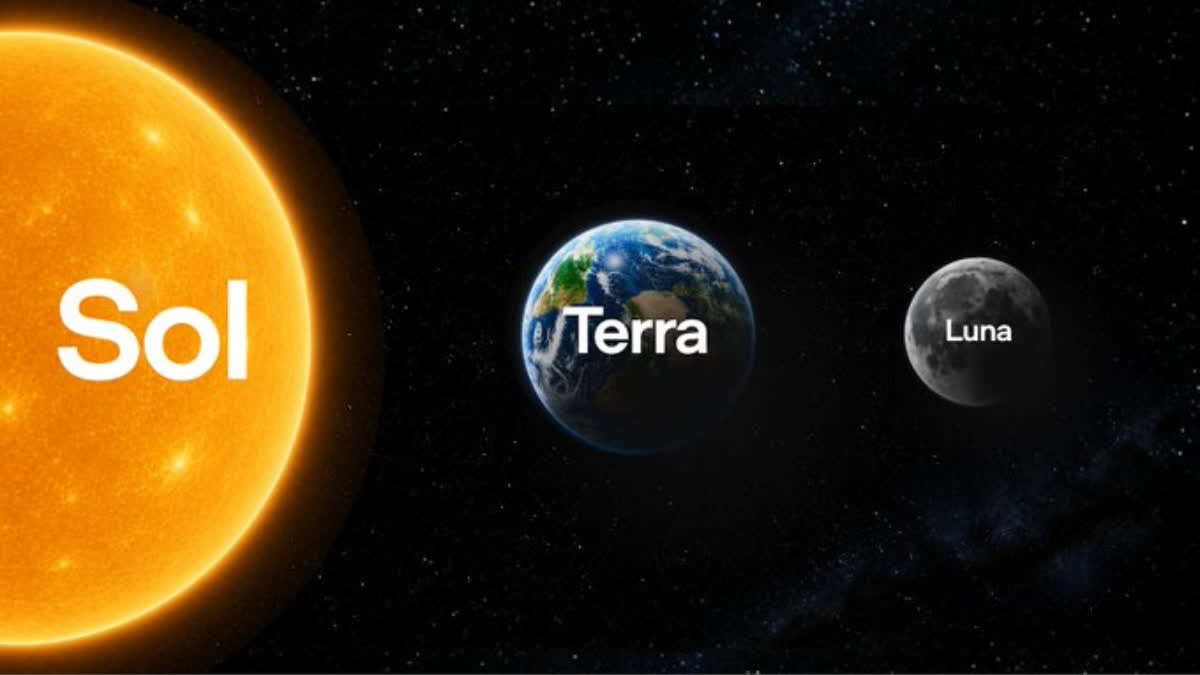
GPT-5.6 family includes three models: Sol, Terra, and Luna. Sol is described as OpenAI's flagship and most powerful model, Terra is positioned as a balanced option for everyday tasks, and Luna is the cheaper, faster option in the lineup. Despite their different capabilities, the Trump administration has restricted the release of all three models.
We believe in broad access and plan to make GPT-5.6 Sol, Terra, and Luna generally available in the coming weeks.
— OpenAI (@OpenAI) June 26, 2026
For now, at the request of the U.S. government, we’re starting with a limited preview among a small group of trusted partners in Codex and the API.
This is not the first time a major AI company has faced such restrictions. Anthropic was previously ordered to remove access to its powerful Fable 5 model for foreign users, leading the company to withdraw it entirely.
The US government, citing national security authorities, has issued an export control directive to suspend all access to Fable 5 and Mythos 5 by any foreign national, whether inside or outside the United States, including foreign national Anthropic employees.
— Anthropic (@AnthropicAI) June 13, 2026
The net effect of…
Debate Over Government Oversight
The move has reignited debate over how much control governments should have over the release of advanced AI models. Dean Ball, a former White House AI adviser, now the Head of Strategic Futures at OpenAI, said a recent executive order has created a mandatory review system, requiring companies to submit advanced models to the government 30 days before release. Ball warned that without clear safety standards, this could delay launches and potentially benefit competitors such as China in the global AI race.
Good new first: Sol is a smart, efficient, and a significant step forward. It is the same price as GPT-5.5. Also launching in the GPT-5.6 family is Terra, with 5.5-level performance at half the price.
— Sam Altman (@sama) June 26, 2026
Bad news: at the request of the US government, it is launching today in…
OpenAI has openly criticised the arrangement. In a statement, the company said, “We don’t believe this kind of government access process should become the long-term default." OpenAI described the move as a short-term step and said it expects the models to be widely available within weeks.
Claude Mythos 5 redeployed
Alongside this, Anthropic announced on X that Claude Mythos 5, its "strongest cybersecurity model, can be redeployed to a set of US organisations that operate and defend critical infrastructure."
Since June 12, we’ve been working closely with the US government to restore access to Claude Mythos 5 and Fable 5. Today, the government notified us that Mythos 5, our strongest cybersecurity model, can be redeployed to a set of US organizations that operate and defend critical…
— Anthropic (@AnthropicAI) June 27, 2026
Anthropic stated that it is "restoring access for these organisations quickly," and is working with the US government to bring back public access to Mythos 5 and Fable 5 AI models.
Capabilities and Pricing
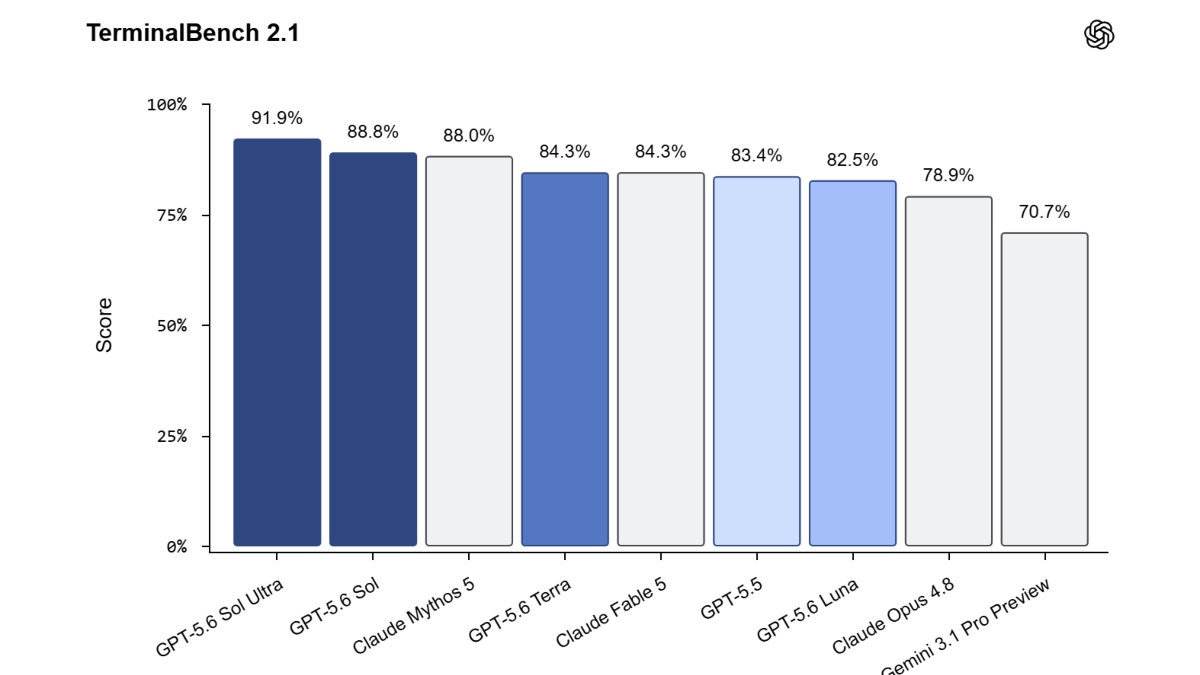
Technically, Sol includes a "Max" reasoning mode and an "Ultra Mode" that uses coordinated subagents to tackle complex tasks, though this significantly increases token usage. OpenAI said Sol performs slightly better than a rival Anthropic model in coding benchmarks, and has built safety guardrails directly into the model's behaviour rather than relying on separate filters, to avoid overcaution and false rejections.
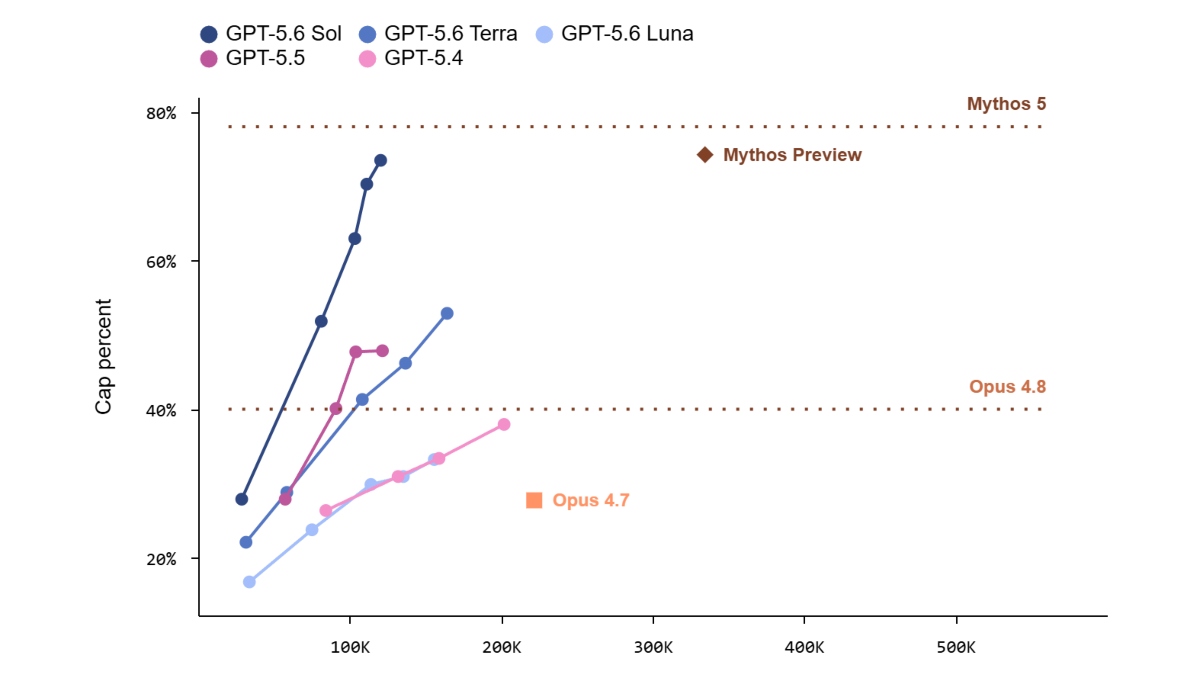
In terms of pricing, Sol costs $5 (approximately Rs 471.80) per million input tokens and $30 (approximately Rs 2830.82) per million output tokens. Terra is priced at half that rate, while Luna is the most affordable option at $1 (approximately Rs 94.36) and $6 (approximately Rs 566.16), respectively. OpenAI has also improved prompt caching to reduce costs for frequently repeated prompts.
