From Suction Power To Smart Sensing: Dyson Engineer Tim Hare Explains The Future Of Vacuum Cleaners
Dyson engineer Tim Hare explains the engineering challenges behind the V16 Piston Animal and how suction, sensing and battery technologies shape modern vacuum cleaners.

By Anubha Jain
Published : September 24, 2026 at 7:14 PM IST

Bengaluru: Even with regular cleaning, some of the hardest-to-reach areas in Indian homes can be overlooked. According to Dyson’s 'How India Cleans' study, 51.6 per cent of Indians acknowledge that spaces under beds and furniture are often left uncleaned, while 47.5 per cent struggle to effectively clean corners, edges, and skirting boards. Modern vacuum cleaners have been trying to solve this problem by making the units easier to navigate and designing necessary features in addition to high suction power.
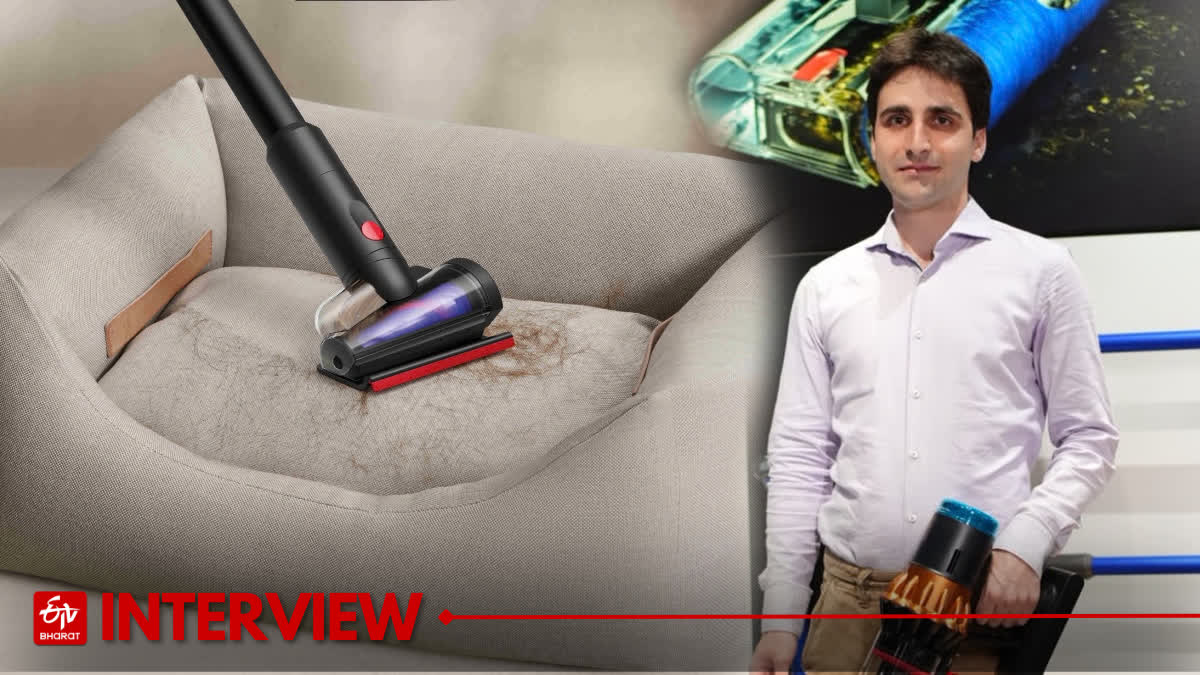
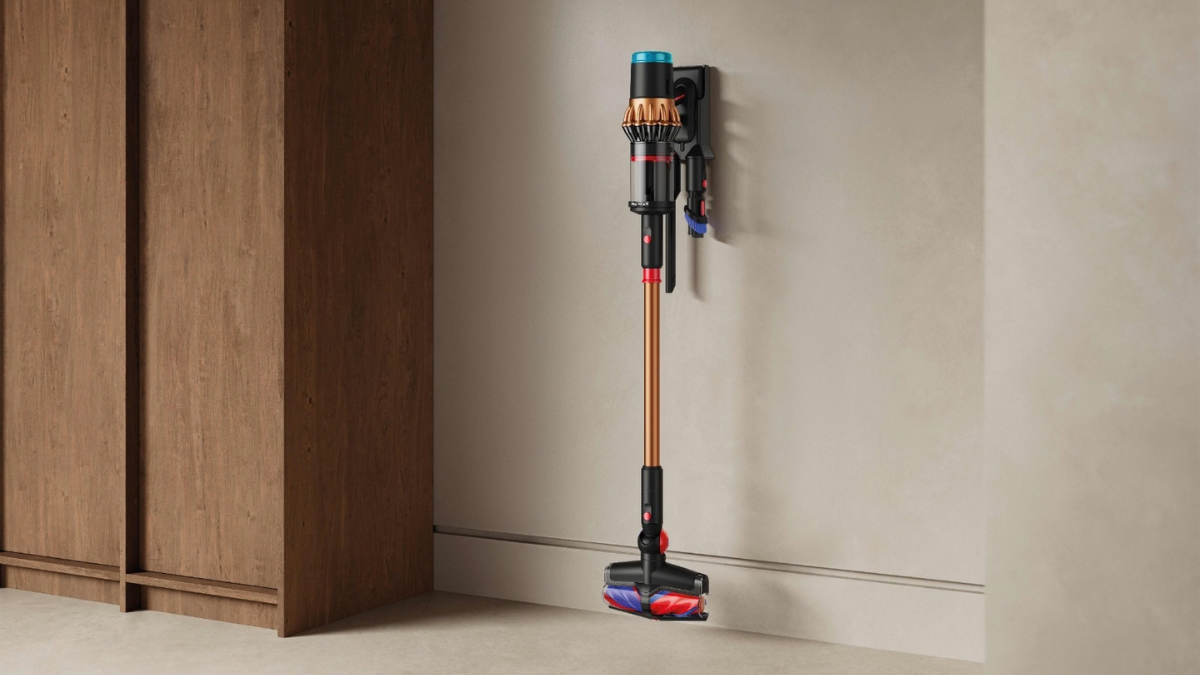
Technology company Dyson presented its new V16 Piston Animal cordless vacuum cleaner, which focuses on dust hidden in hard-to-reach areas, changing floor surfaces, and brush bars. The highlights of the device include a Hyperdymium 900W motor that generates 315AW of powerful 'fade-free' suction. It comes with a new dual conical All Floor Cones Sense cleaner head that claims to detangle even the longest hair and senses changes in floor types to automatically adjust suction power and brush bar speed.
Tim Hare, Design and Development Engineer, Floor Care at Dyson, said that the engineering brief of the company's new V16 model focused on three key challenges: hair tangling around cleaning tools, maintaining performance across different floor surfaces, and increasing dust capacity. On the sidelines of the new launch, he talked to ETV Bharat about technologies powering modern vacuum cleaners as well as the features that make or break a unit. The following is an excerpt from the interview.
Anubha Jain (AJ): What engineering challenges had to be addressed to achieve the level of power V16 has, and what role do technologies such as Dynamic Cyclones and the new cleaner head play in delivering that performance?
Tim Hare (TH): To achieve our most powerful vacuum cleaner ever, we had to develop a brand-new motor. We spent four years developing a Hyperdymium motor, a 900W motor spinning at 140,000 rpm. It spins faster than an F1 engine. This gives us the power density to deliver 315 air watts. The engineering challenge was balancing that suction power with runtime and weight. That is why we developed a new technology called Dynamic Cyclones. In Eco mode, the system shuts off part of the cyclone path, reducing airflow and improving efficiency. This gives up to 70 minutes of runtime. When you need Boost mode and the full 315 air watts, the other half of the cyclone opens up, allowing maximum airflow through the machine.
AJ: How does Dyson approach engineering across its different product categories, from vacuum cleaners and air purifiers to hair-care and other technologies? What are the core engineering principles that remain common across these products?
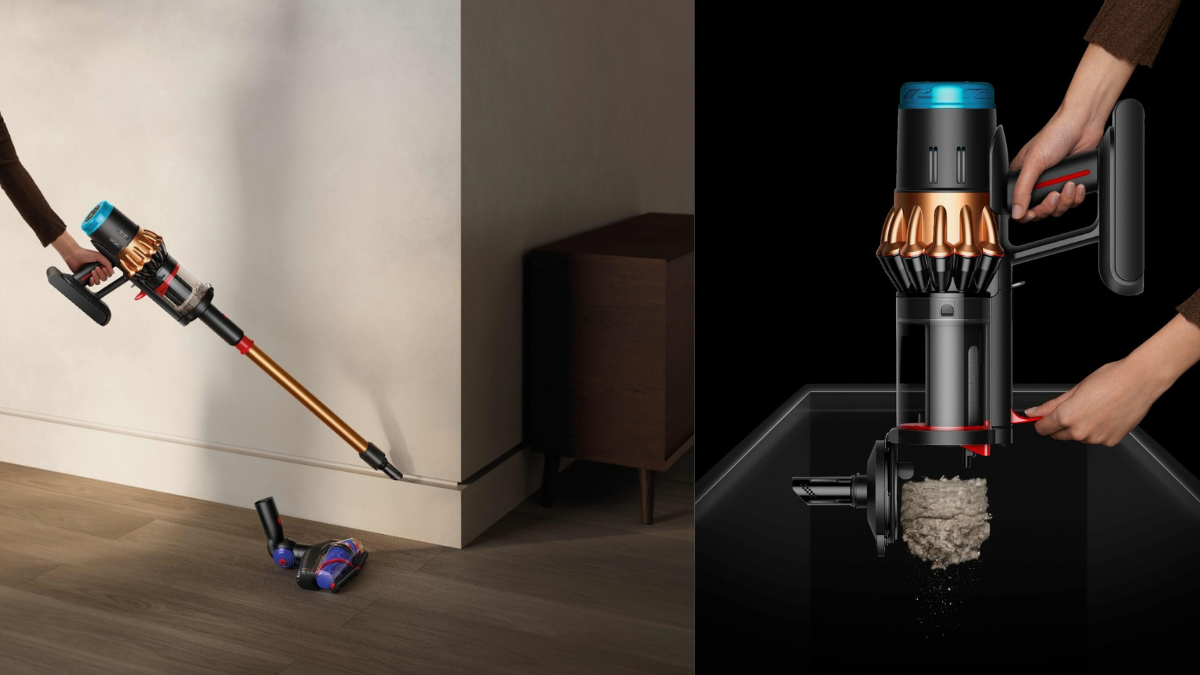
TH: The engineering philosophy that is instilled in every Dyson engineer is to solve problems uniquely and better. For example, with this machine, we identified hair tangling as a problem and looked for a completely different solution, using conical brush bars to eject the hair. Whatever we develop, we take a step back, look at the problem afresh and come up with a new approach that delivers a clear benefit. We never bring something to customers unless it tangibly solves a problem in a way that is better than what they have seen before.
AJ: Suction power is often used as a measure of how powerful a vacuum cleaner is. For effective cleaning, is suction power alone enough, or do factors like airflow, brush, cleaner-head design, filtration, and dust separation matter just as much?
TH: Suction power helps in areas such as cleaning crevices, removing hair and cleaning embedded dirt from mattresses, but it is not just about suction power. It is about the supporting technologies as well. The cleaner head, for instance, needs to agitate carpets effectively, with the right power and materials to pick up dirt and debris.
Then there are anti-tangle technologies, along with sealing and filtration. Our machines use highly efficient cyclones to separate dust and debris. The fully sealed, five-stage whole-machine HEPA filtration system captures 99.99 per cent of particles as small as 0.1 microns. So, you can have powerful suction, but if dust is simply being recirculated around the home, it defeats the purpose. Finally, you need sufficient runtime and the ability to deliver power when you need it. It is no use having high suction if you cannot sustain or deploy that power when it matters.
AJ: Is there a trade-off between higher power and other aspects of a vacuum cleaner, such as battery life, weight, noise, heat generation, and ease of use?
TH: The challenge is always different, so we take a different approach with every product. With the V16, the focus was on creating an all-round machine with high power and deep, effective cleaning across different surfaces. That meant balancing power with adaptability, which is why we have features such as All Floor sensing and technology that dynamically adjusts performance and runtime.
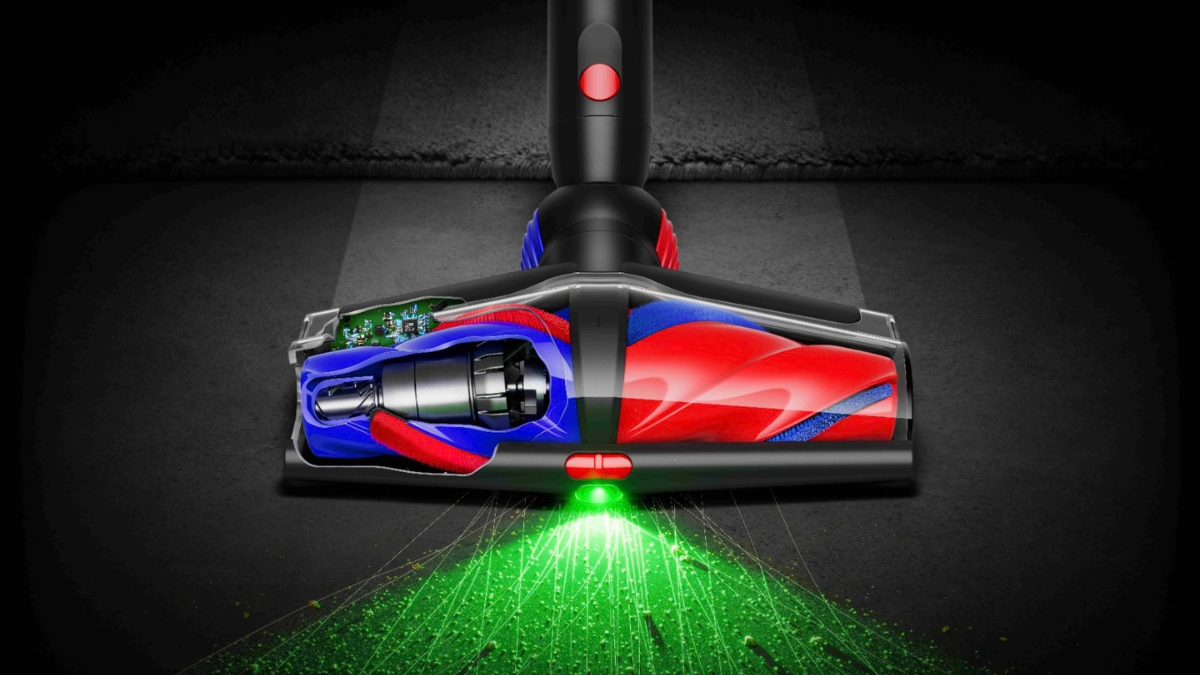
AJ: Cordless vacuum cleaners offer greater flexibility, but battery-powered products also have limitations. What are the biggest engineering challenges in delivering sustained cleaning performance from a battery-powered machine, and how does Dyson address them?
TH: With a battery-powered machine, one key challenge is developing a high-performance motor within a very confined space while keeping the machine lightweight. Dyson designs its proprietary motors from the ground up for each machine, tailoring them to the form factor and specific use case. That gives our machines an engineering edge.
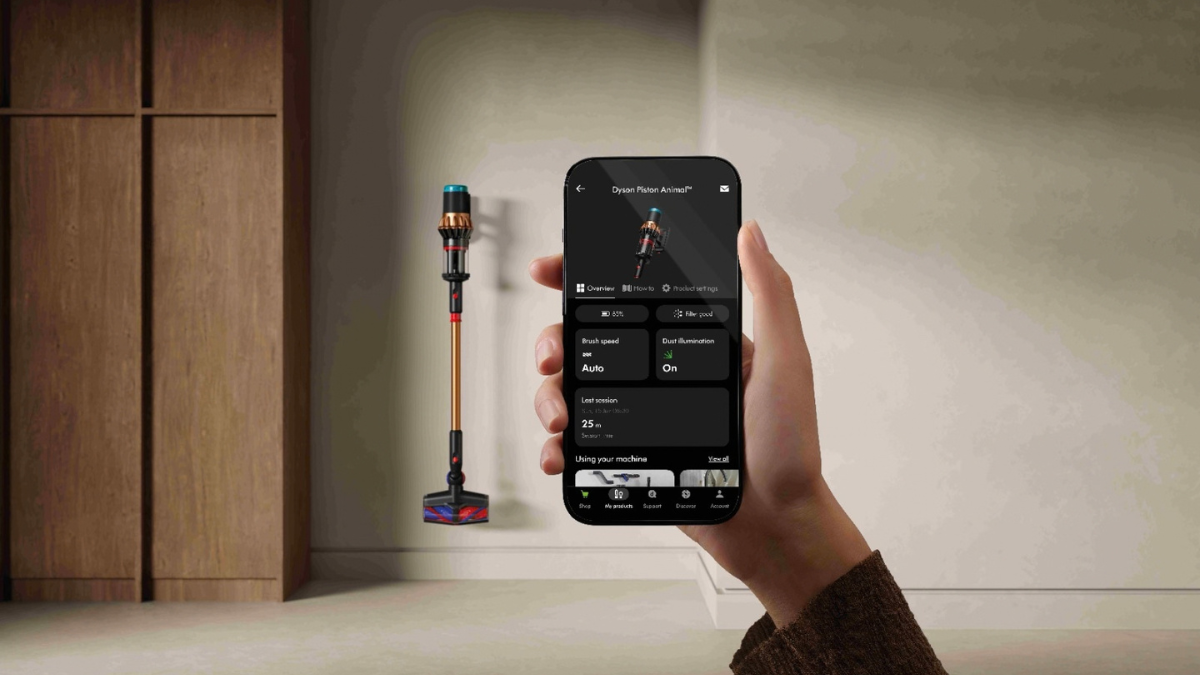
The second challenge is balancing runtime across different modes because battery capacity is limited. This is where sensing technology and algorithms become important. They adjust power according to the conditions, giving you maximum runtime while providing the suction power when you actually need it.
AJ: How do you see vacuum-cleaner engineering evolving from here? Will the focus shift from simply increasing motor power and suction, or will these remain focus areas?
TH: We are always pushing the boundaries and never satisfied, even when a product represents the pinnacle of what we have achieved. Moving forward, our focus will be on smarter sensing technologies, intelligent features and identifying the pain points that challenge people, so we can continue solving real-world problems for them.
