Dare To iDare: Addressing India’s Silent Abuse Crisis
Vaamaa Baldota, founder and CEO of iDare, says survivors need safe, private spaces to reach out, seek clarity, and ask questions without fear.


By Anubha Jain
Published : March 18, 2026 at 6:13 PM IST

Bengaluru: Behind many closed doors, abuse continues to remain hidden, unspoken, and misunderstood. According to National Crime Records Bureau (NCRB) data, crimes against women in India have continued to rise in recent years, highlighting the urgent need for stronger awareness and support systems. Amid growing concerns over women’s safety in India, a teenager decided to turn awareness into action. Vaamaa Baldota, the founder and Chief Executive Officer (CEO) of iDare, began her journey in 2014, when she was just 17. She travelled across India teaching thousands of girls how to defend themselves through her Defence Against Rape and Eve-teasing (DARE) programme. Disturbed by rising crimes against women following the 2012 Delhi gangrape, the teenager from Karnataka set herself an ambitious mission to train 50,000 women in self-defence and courage to handle sexual assault and harassment.
From Self-Defence Workshops to a Larger Mission
As new technology-driven platforms help survivors recognise the signs of abuse early and find support before the trauma deepens, Baldota transformed her grassroots initiative into a mobile app. It enables individuals to assess their emotional and mental well-being, access professional counselling, relationship advice, legal guidance, and emotional support.
Over the past 12 years, she has worked extensively across women’s empowerment, human rights, sexual violence prevention, education, and mental health. Her efforts in promoting safety and awareness have also been recognised by Dr Kiran Bedi.
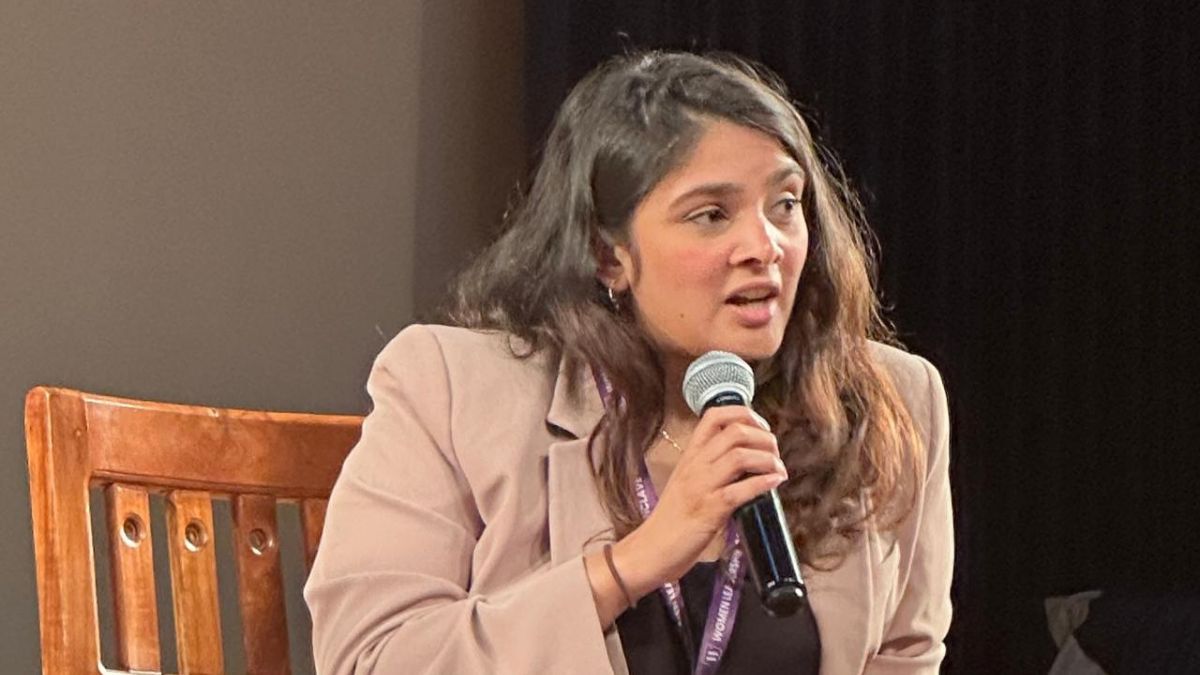
In an exclusive interview with ETV BHARAT, Baldota spoke about her journey and how her work evolved to support survivors.
“Growing up, I saw how harassment was often normalised and dismissed as ‘eve teasing,’ with little attention to its emotional impact. I also saw someone close to me experience abuse that remained hidden due to stigma and silence,” reminisced Baldota. She mentioned that the 2012 Delhi case “became a turning point in her life.” This case forced India to confront the reality of violence against women. After this incident, she launched the DARE programme to train women in self-defence and safety awareness.
Abuse Beyond the Physical: The Reality of Emotional Harm
Bladota said, “Over time, I realised safety cannot stop at physical protection. Abuse can also be emotional and often occurs within relationships and communities, where survivors need support and long-term healing.” Upon recognising this gap, Baldota eventually evolved DARE into iDare in 2020, which focuses on helping people recognise abuse early and access the support they need.
Baldota, from her experience conducting self-defence workshops on the ground, said that these sessions made her realise that many young people were carrying silent experiences of abuse, and technology could expand the impact of her work.
She stated that during workshops in schools and colleges, many students would stay back to share experiences they had never spoken about before. Those conversations revealed how much hidden pain existed and how little support people had once the session ended. Awareness workshops opened the door, but there was rarely a system to continue helping them.
Using Technology to Extend Support Beyond the Classroom
Baldota highlighted that technology could extend the impact of her work, as it offered an extended way to support survivors beyond the physical classroom. She said, “A digital platform could offer people a safe, private space to reach out, ask questions, and access guidance long after the workshop ends.”
She noted that one of the key lessons from our work is that many people experiencing abuse do not recognise it initially. Emotional manipulation, control, isolation, or financial dependence are often dismissed as relationship issues rather than abuse. Because these forms of harm leave no visible marks, survivors frequently doubt themselves and delay seeking help.
“This is why early recognition is critical. At iDare, we focus on helping people identify unhealthy patterns early and connect them with the right support - whether counselling, therapy, or guidance, before a situation escalates into deeper trauma,” Baldota emphasised.
Creating a Safer First Step for Survivors
Baldota explained that for many survivors, approaching formal institutions like the police can feel overwhelming. Abuse often involves people they know or depend on, and fear of stigma, retaliation, or disbelief makes reporting difficult. In some cases, formal systems can also unintentionally retraumatize survivors through insensitive questioning or victim-blaming. This is why an intermediary space becomes important, she added. iDare serves as that bridge by offering mental health counselling, abuse counselling, and emotional support. It allows people to talk about their experiences in a safe environment without the pressure to immediately report or take legal action. Survivors need not only justice, but support systems that help them reach it safely.
Bringing Counselling, Legal Aid and Guidance onto One Platform
iDare integrates counselling, legal guidance, safety planning, and emotional support on a single platform. How technology helps bring these fragmented services together for survivors, she said, “Survivors rarely need just one form of help. Someone may need mental health counselling to process trauma, legal guidance to understand their rights, life coaching to rebuild confidence, or financial planning to regain independence. Navigating these services across different institutions can be exhausting and retraumatising. Technology allows iDare to bring them into one ecosystem. Through the platform, people can access therapy, counselling, legal guidance, and practical support without constantly repeating their story. When support systems work together instead of in silos, healing becomes far more possible.”
Helping People Recognise Abuse Earlier
Discussing technology's role in identifying early warning signs of abuse and connecting users to counselling, legal guidance, and support services through iDare, Baldota said that technology can help people recognise patterns they might otherwise overlook. Sometimes awareness begins with something as simple as a relatable podcast, article, or short video that reflects what someone is experiencing. When people see their experiences described in everyday language, it reduces confusion and self-doubt.
At iDare, she said, “We use educational content to help people understand relationship dynamics and emotional well-being. Once these patterns are recognised, technology also makes it easier to connect them with the right support, whether counselling, legal guidance, or safety planning.”
Digital Tools Reaching Survivors in Silence
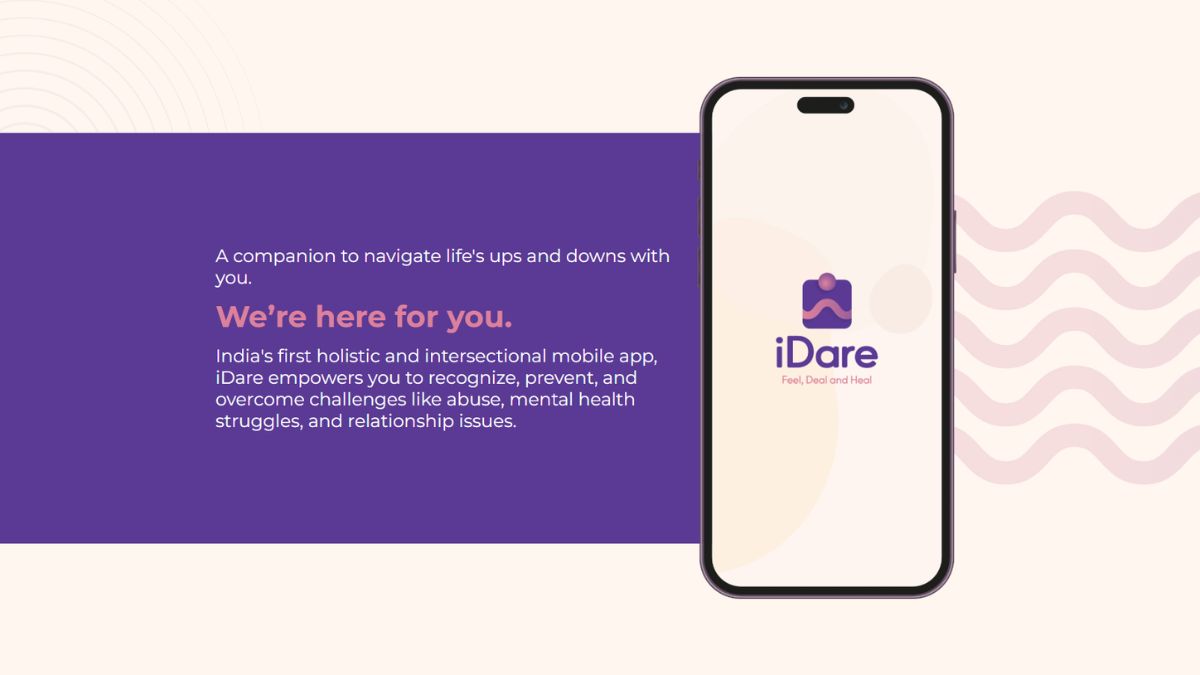
Baldota said that digital tools make support more accessible, especially for people still living in unsafe environments. At iDare, we offer chat-based emotional support, allowing individuals to reach out quietly without needing to speak aloud, which can be critical for someone who cannot safely make a phone call. Multilingual support also plays a vital role in a country as diverse as India, where language can be a major barrier to seeking help. Online safety planning tools further help individuals think through their options calmly and privately. Together, these tools make support more inclusive and allow the platform to reach people who might otherwise remain silent.”
A Vision for Accessible Support Across India
Talking about her long-term vision, she added, “The goal is to make support accessible to anyone in India who needs it, regardless of where they live, what language they speak, or whether they live with special needs. Today, access to therapy, legal guidance, and emotional support is still largely concentrated in cities, leaving many people without options. Technology allows us to change that by building systems that are multilingual, inclusive, and accessible across the country. At the same time, the aim is not only to respond to abuse but also to prevent it through education and emotional awareness.”
Lastly, technology alone cannot end abuse, but it can play a powerful role in connecting survivors to the support they need. Platforms like iDare are attempting to bridge the gap between awareness and accessible support. By promoting emotional awareness and providing professional help, such platforms are opening conversations that many people have avoided for generations.
In the end, for Baldota, the goal remains clear: “Ultimately, no one in this country should ever feel they have nowhere to turn when they need support.”
