Painting Campuses Green: Ravenshaw University In Cuttack Plans Solar Panels, Vehicle-Free Saturdays
The University plans solar panels, vehicle-free Saturdays, rainwater harvesting, e-rickshaws and green corridors to transform both its campuses into sustainable spaces, reports Narayan Sahoo.

Published : September 7, 2026 at 5:05 PM IST

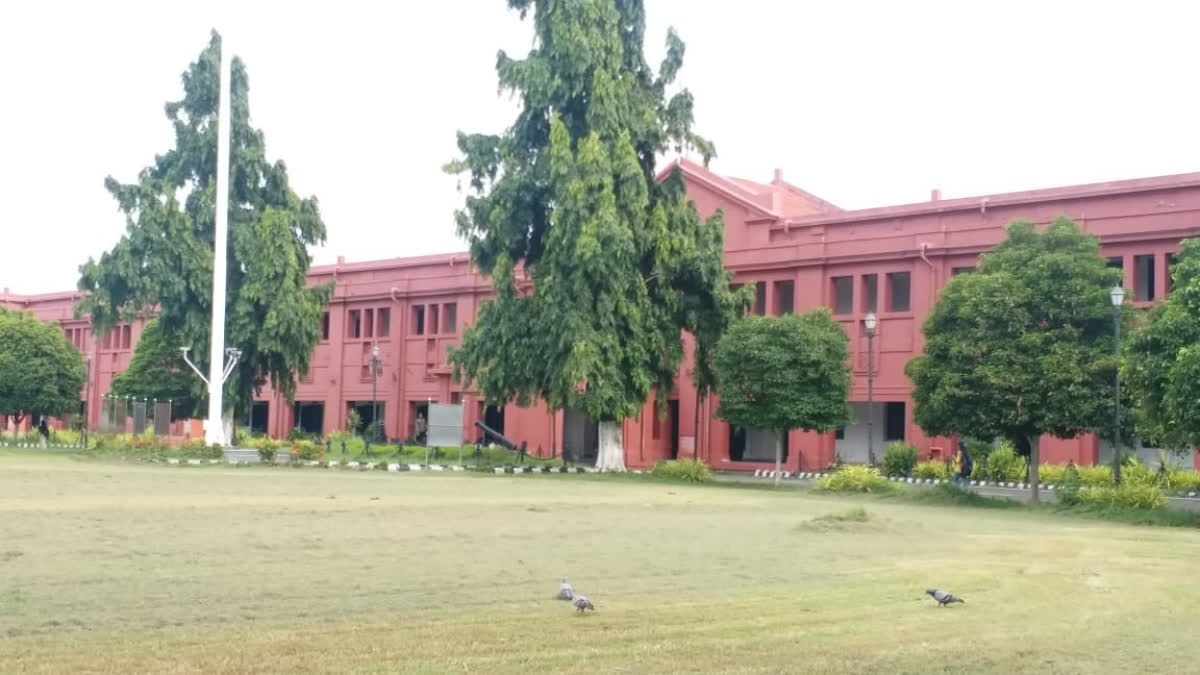
Cuttack: Saturdays at Ravenshaw University could soon look different, with students and faculty walking across the campus instead of using vehicles. The proposed vehicle-free day is part of a wider plan to transform both university campuses into greener and more energy-efficient spaces.
The university administration has drawn up several measures, including the installation of solar panels, rainwater harvesting, annual plantation drives, increased use of e-rickshaws and the development of green corridors.
According to the authorities, Ravenshaw aims to become the first university in Odisha to introduce such a comprehensive green-campus initiative across both its campuses.
The move comes amid growing concern over global warming and rising temperatures. The university believes educational institutions must take the lead in promoting cleaner energy, conserving natural resources and encouraging environmentally responsible behaviour among students and employees.
Vice-Chancellor Professor Arka Keshari Das Mohapatra said solar panels would be installed across both campuses, including in individual departments.
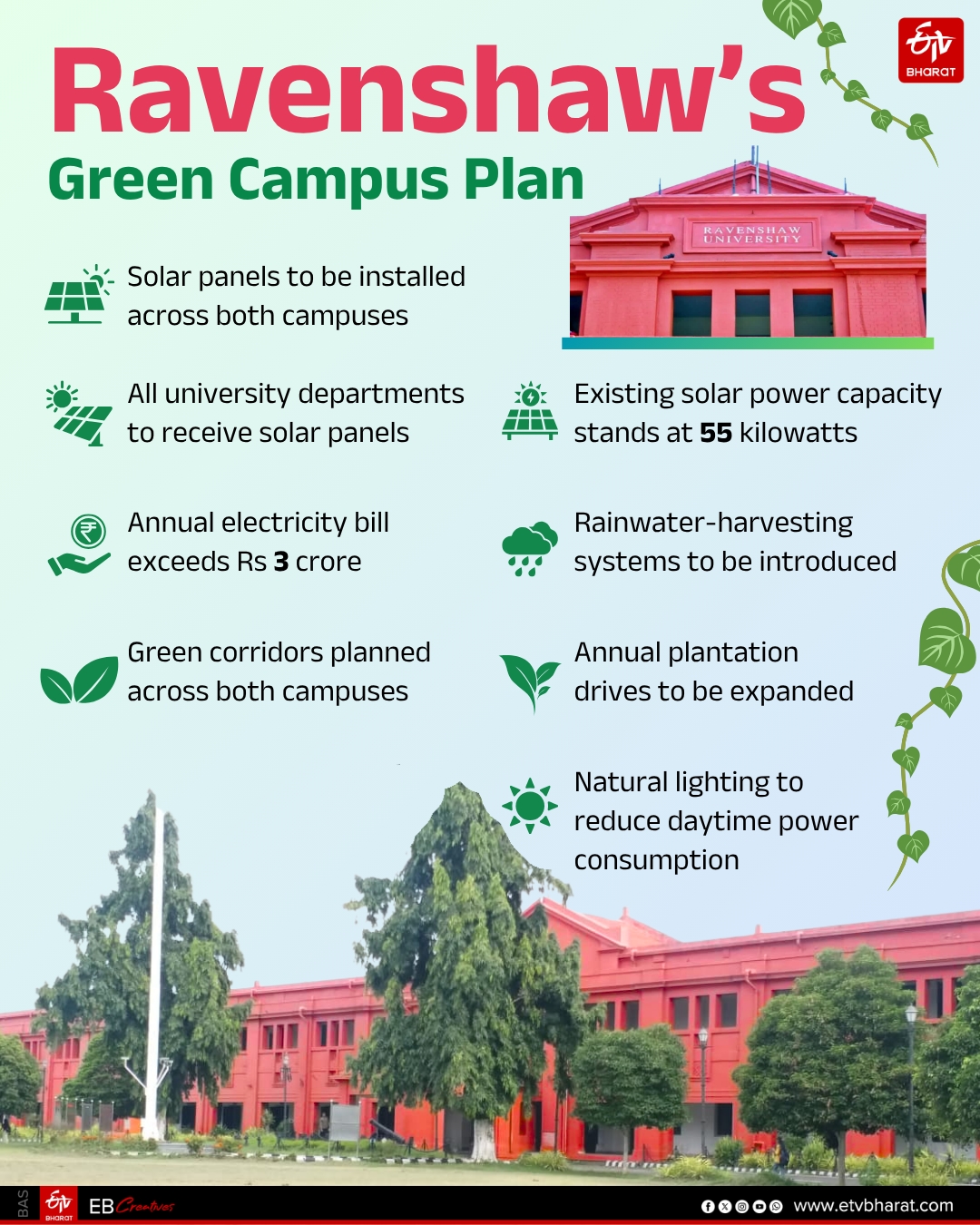
The university currently has solar panels with a combined capacity of 55 kilowatts. The system will be expanded to cover more buildings and reduce the institution’s dependence on conventional electricity.
Ravenshaw University presently spends more than Rs 3 crore annually on electricity. The administration expects the expanded solar power system and energy-conservation measures to bring down this expenditure considerably.
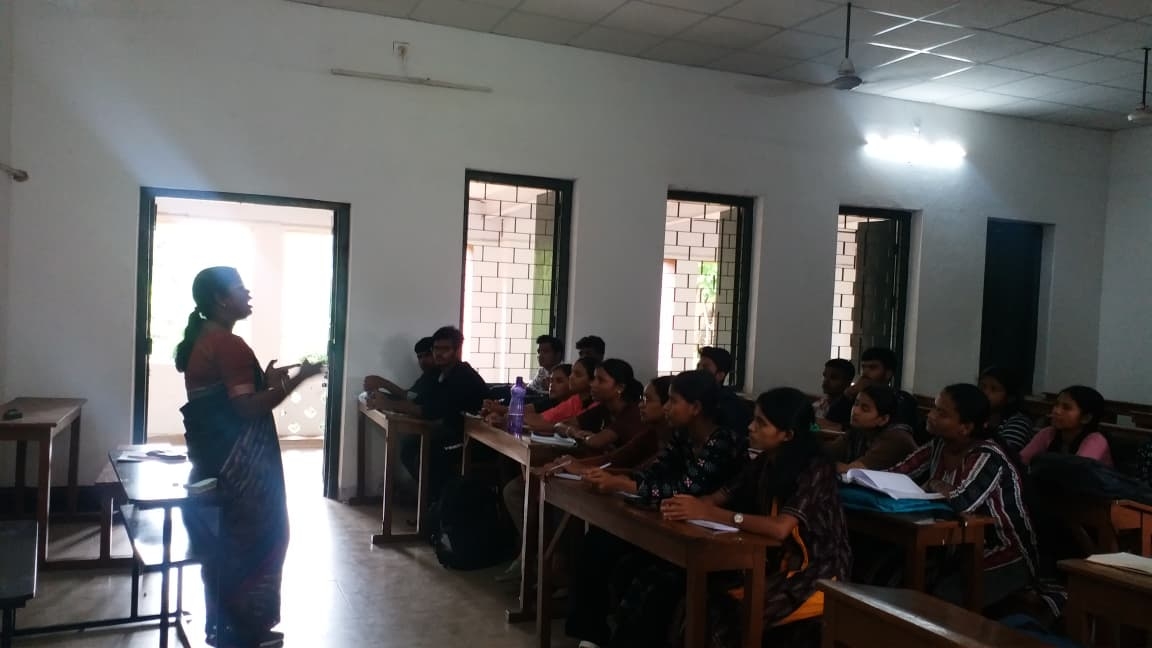
Faculty members and students have also been advised to avoid unnecessary use of electricity. Posters displayed in classrooms remind them to switch off lights and fans when they are not required.
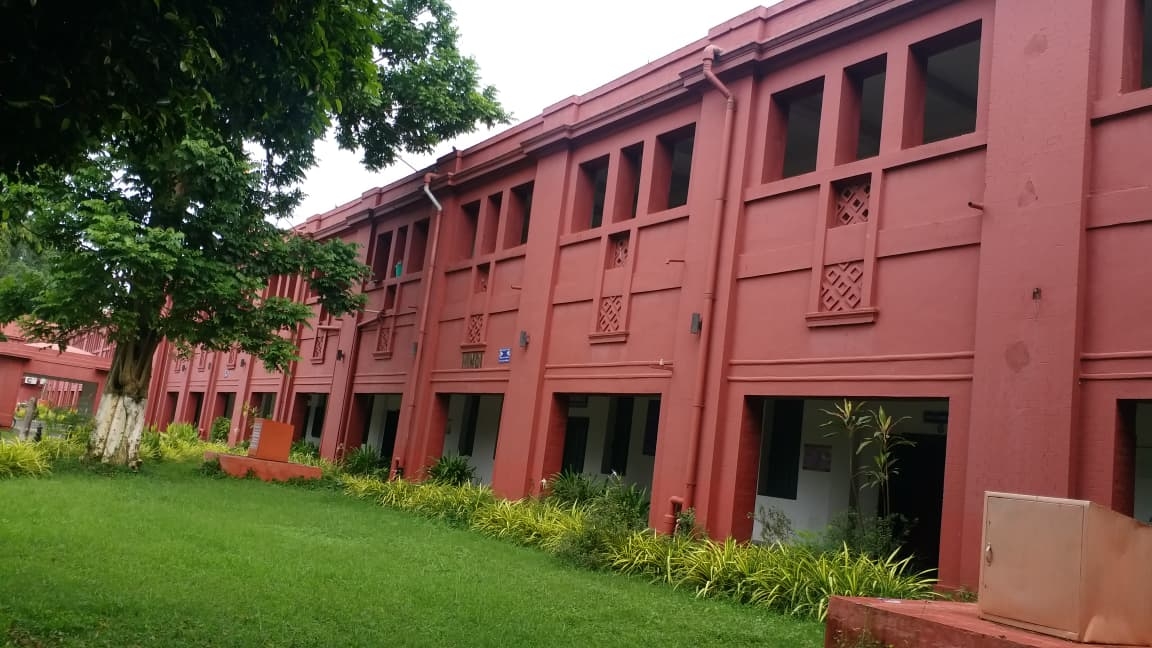
To maximise the use of natural light, the university plans to install glass panels in doors and windows. While the newer campus already has buildings designed to allow sufficient daylight, doors and windows in several old-campus buildings will have to be modified, Das Mohapatra further said.
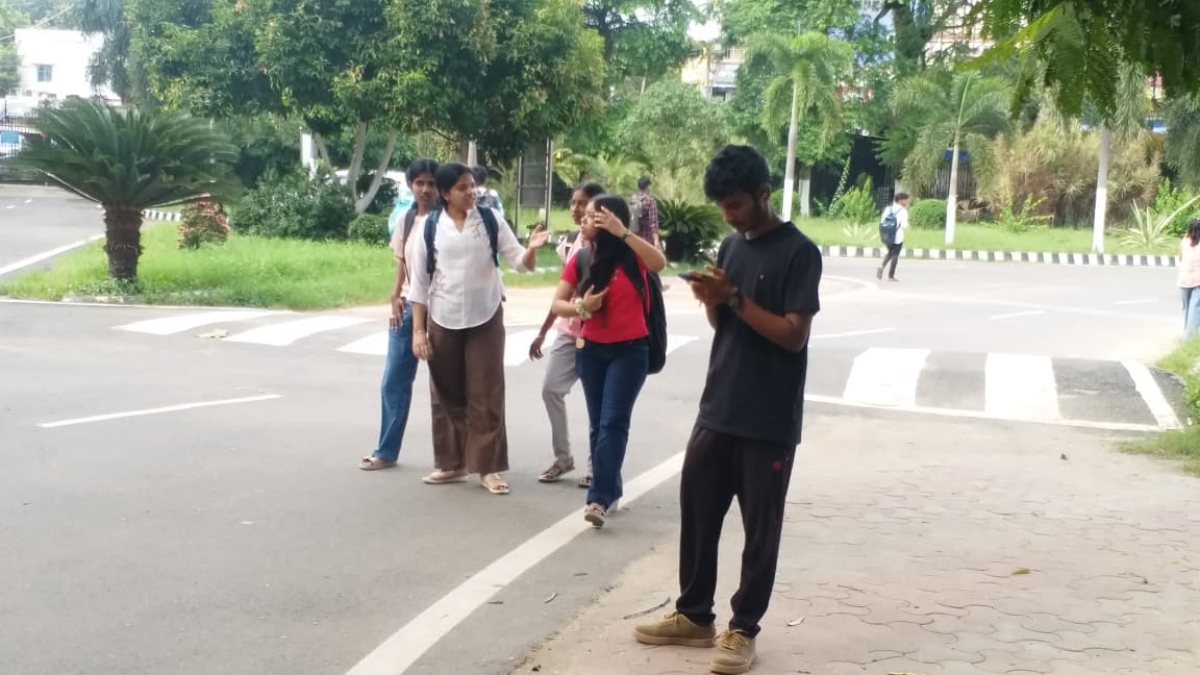
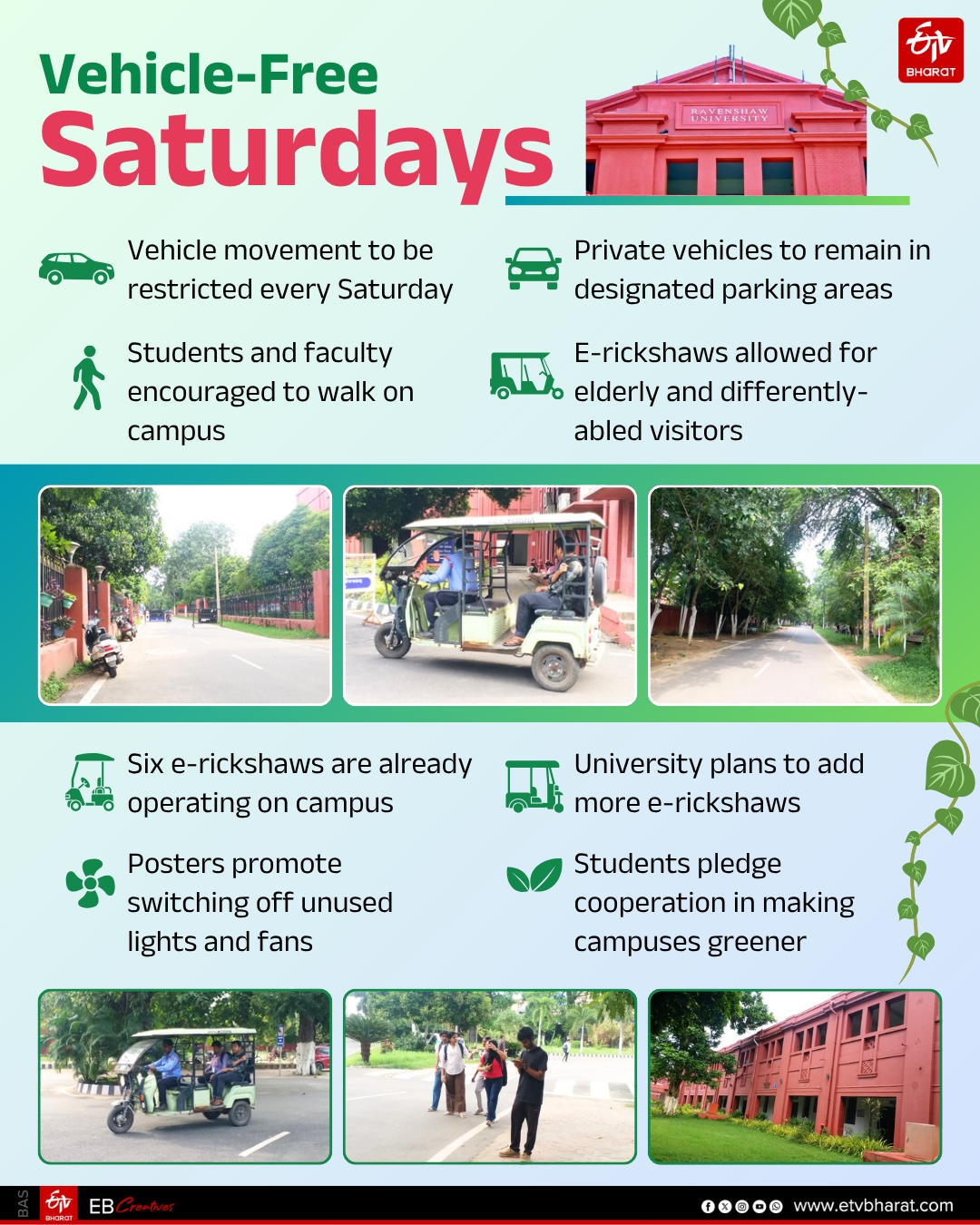
Under another major proposal, vehicular movement inside the campuses will be restricted every Saturday. Students, teachers and other employees arriving in private vehicles will have to leave them in designated parking areas and walk within the campus.
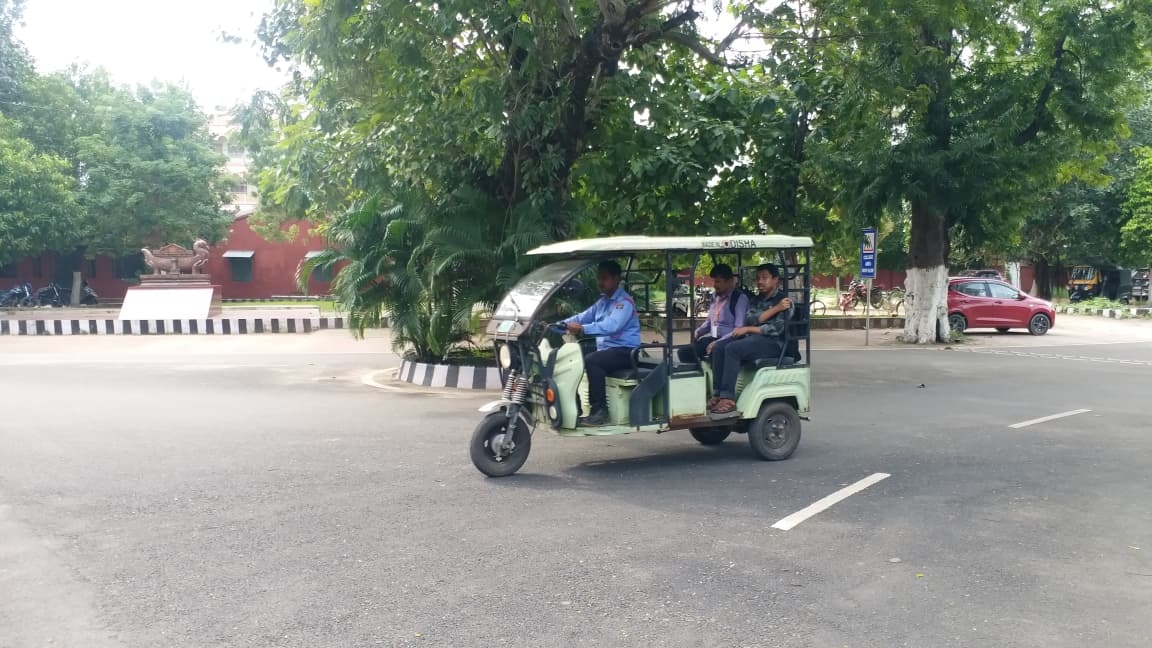
Exceptions will be made for elderly people and persons with disabilities, who will be allowed to use e-rickshaws.
Six e-rickshaws are already operating on the campus, and the university plans to increase the fleet as part of its effort to promote cleaner transportation.
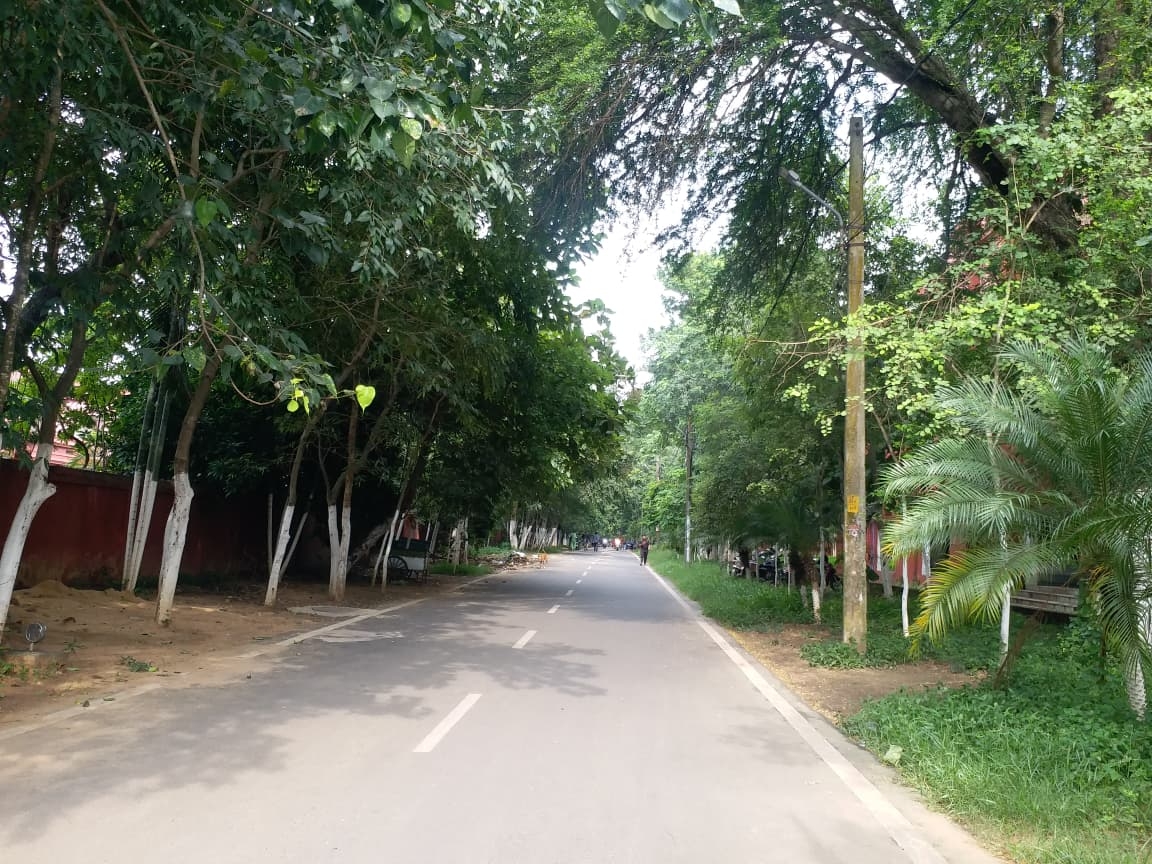
The administration will also introduce rainwater-harvesting measures and create green corridors across both campuses. Plantation drives, which are already organised every year, will be expanded to improve the green cover.
Students have welcomed the university’s plans and said their participation would be essential to making the initiative successful.
Student Trishna Priyadarshini said the measures could inspire other institutions at a time when the impact of global warming is becoming increasingly visible.
“Every student must contribute to creating a greener environment. We are already following the Vice-Chancellor’s advice and switching off lights and fans after classes. We also participate in plantation drives every year,” she said, adding that the initiative would send an important message to younger generations and encourage them to become more conscious of environmental protection.
Another student, Pooja Nayak, said the measures would make the campuses more attractive while also having a positive impact on society.
“If everyone plants trees and acts responsibly, it will benefit the environment. We must become careful before it is too late. A green campus will be possible only with everyone’s cooperation,” she said.
The university’s plan seeks to combine infrastructure changes with behavioural awareness. Solar power, rainwater harvesting and e-rickshaws may reduce the campuses’ environmental footprint, but the success of the initiative will also depend on everyday choices such as conserving electricity, walking short distances and protecting trees.
For Ravenshaw, the proposed transformation is not merely about giving its campuses a greener appearance. It is an attempt to turn the university into a working example of how educational institutions can respond to climate change through practical and collective action.
Also Read: