Odisha’s Designer Diyas Draw Diwali Shoppers, But Artisans Stare At Shrinking Sale And Profits
Colourful diyas are drawing shoppers even as artisans struggle with scarce clay, production costs and limited time frame of sale, reports Bikash Kumar Das.

Published : November 4, 2026 at 2:40 PM IST

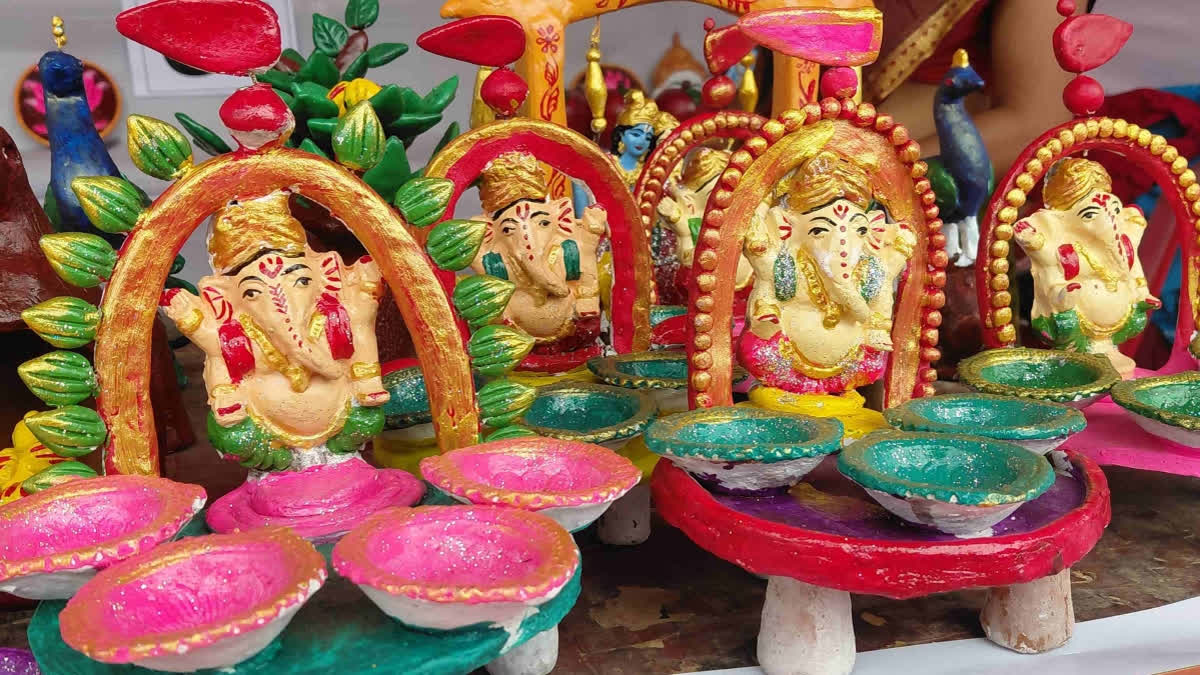
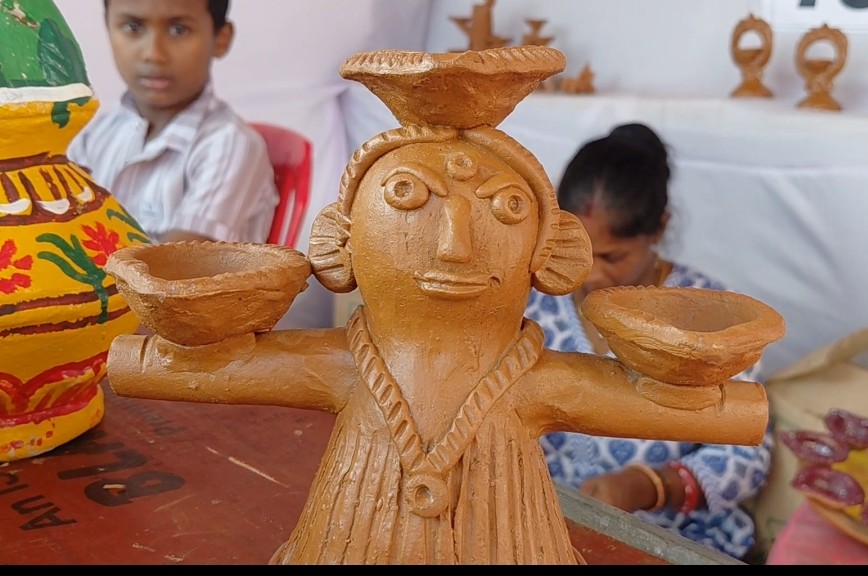
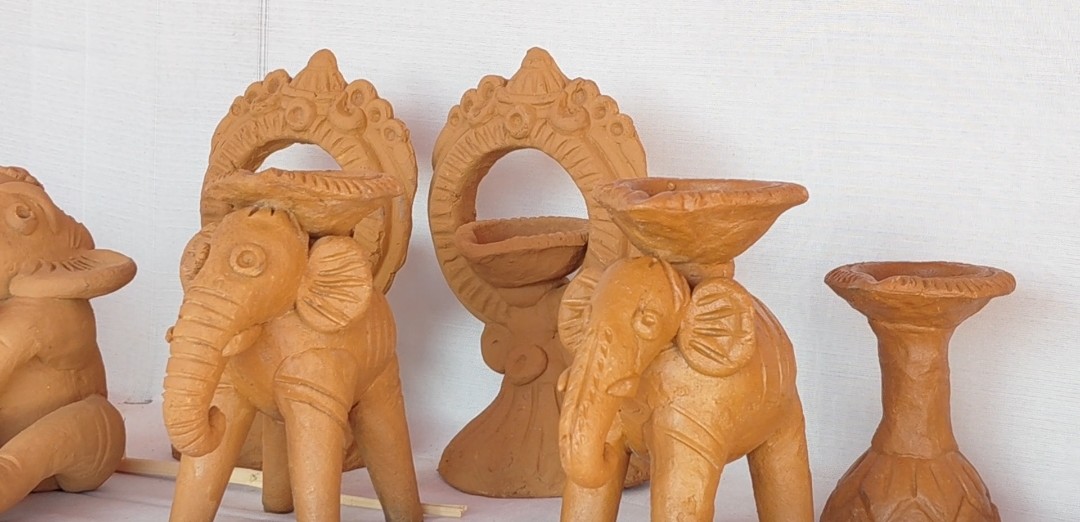
Bhubaneswar: A small clay lamp costs Re 1 or Rs 2. A tree-shaped one can sell for more than Rs 100. And for those with Ganesh idols, the price is a little higher. At Diwali stalls set up here at Mruttika, an exhibition of earthen wares, shoppers can choose from lamps set on elephants, decorated with tiny mirrors or painted with flowers and leaves. Some designs have several tiers, while others feature Ganesha atop a kalash. For the artisans who make them, the wider choice means more work at a time when clay is harder to find and production costs are rising.
One shopper said decorative diyas were worth paying a little extra for because they could brighten a room and complement its décor. "Plain lamps are easy to find in local markets, but fairs with rows of shops offer a wider choice of colours and designs," the shopper said.
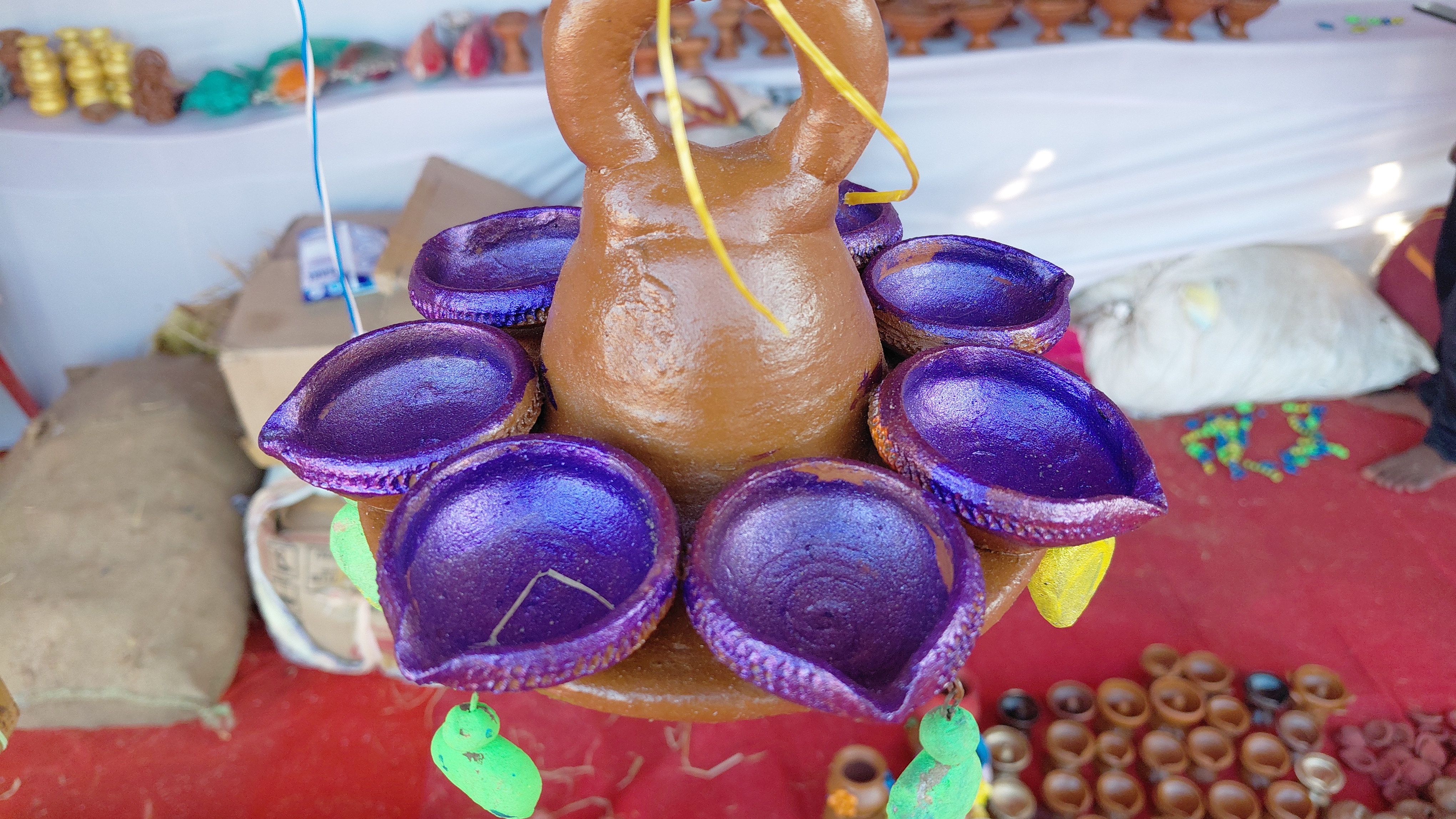
A seller put the price of small, plain diyas at Re 1 to Rs 2 and larger lamps at Rs 10 to Rs 20. Other lamps can cost Rs 10 to Rs 80 or more, depending on their size and design, while some decorative and tree-shaped pieces sell for upwards of Rs 100.
What goes into making a diya
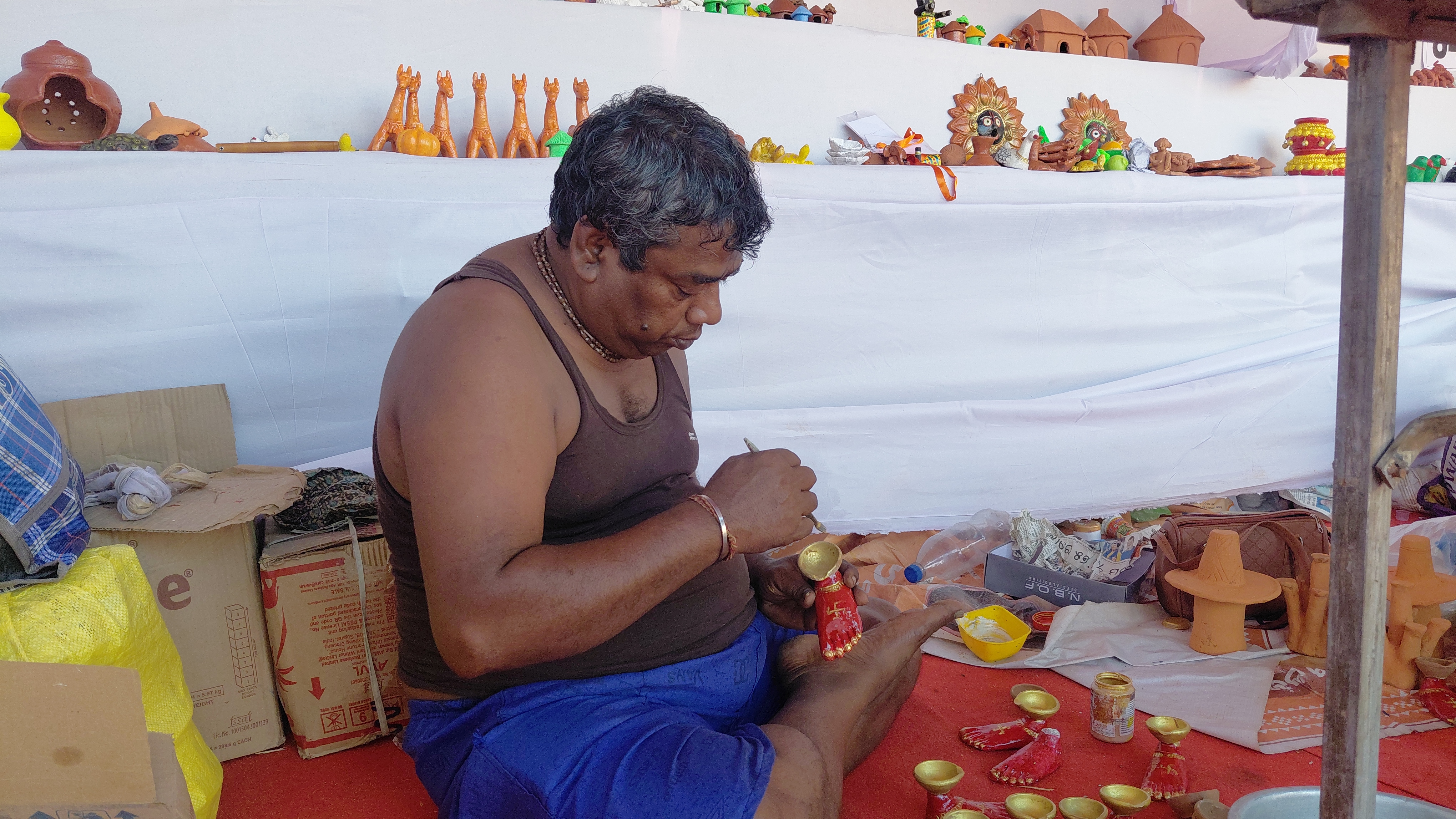
Artisans buy their own clay and other materials. They shape the lamps, leave them to dry and then fire them before painting and decorating them by hand. The process can take one to two days.
Tukuni Patra, an artisan from Ganjam, said the price of raw materials keeps rising while customers still ask for discounts. With most sales concentrated around Diwali, it is difficult to depend on diya-making for a year-round income that can sustain families. "Financial assistance, a reliable supply of raw materials and better access to markets are the least the government must do for us artisans," she said.
A short season to recover costs
Nayana Behera, an artisan from Bhadrak, said finding suitable clay had become a major problem. Costs have risen at every stage, from sourcing the clay to firing and painting the lamps. Yet when sellers quote a higher price, some customers are reluctant to buy.
"Diya sales during the Diwali period come to around Rs 8,000 to Rs 10,000. The cost of materials and production comes out of those sales and artisans have only a short festive season in which to recover it," she said.
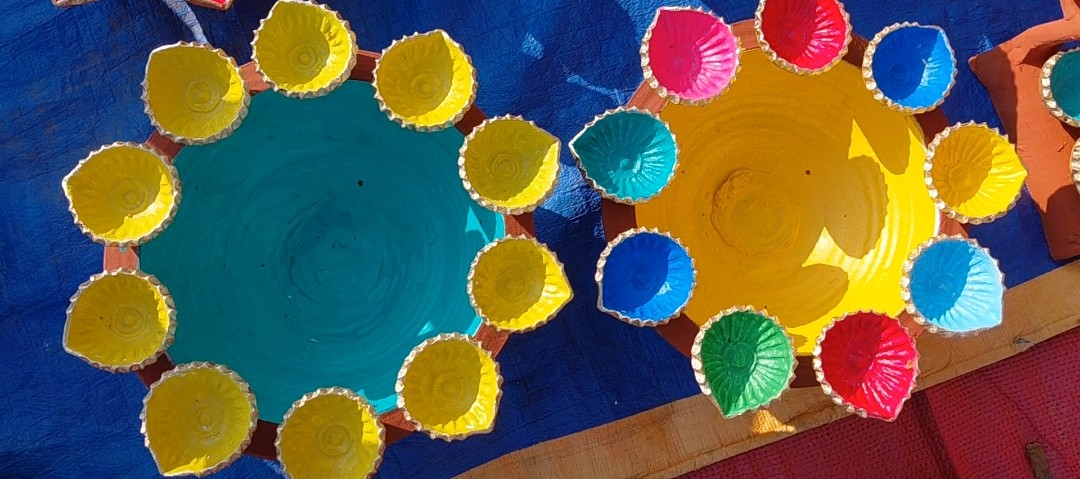
With a couple of days left for the festival of lights, the markets are choc-a-bloc but not everything is as bright for the sellers or makers of diyas. While customers pick and choose diyas that suit their pockets, many veer towards the Chinese lights that have become a common decoration in most houses. Amid all this, the artisans are the ones who suffer the most and wait for one whole year hoping to earn well, the next time.
Also Read:
