Madhya Pradesh Submits Heat Wave Measures Before National Green Tribunal
The NGT issued notices to Central ministries and states such as MP, Rajasthan, UP and Delh, directing them to file action plans on the matter.

Published : August 28, 2026 at 7:06 PM IST

New Delhi: The Madhya Pradesh government has stated that it has undertaken various steps, including preparing action plans for four major cities, to address rising temperatures and heat waves in the state.
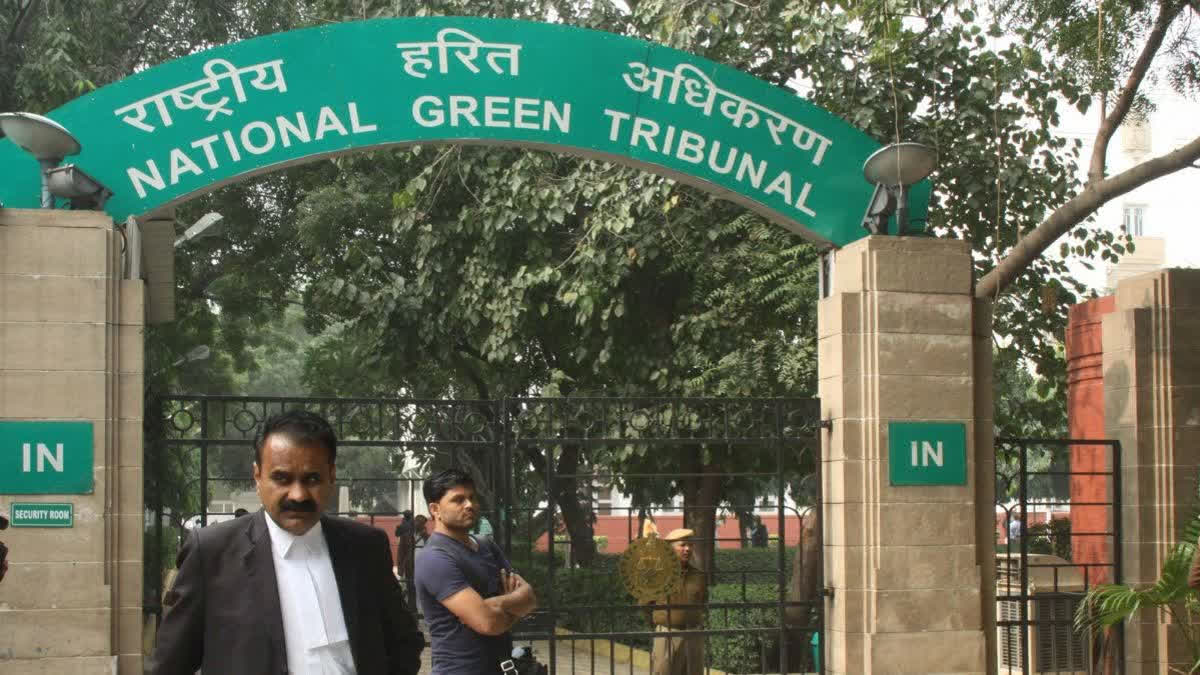
The state government disclosed this before the National Green Tribunal (NGT) after it took note of a report claiming that rising temperatures are affecting people's health, learning and productivity, and thereby the economy.
The NGT registered a suo motu case at the end of May following the news report and issued notices to several Central ministries, including the Ministry of Environment, Forest and Climate Change, as well as states such as Madhya Pradesh, Rajasthan, Uttar Pradesh and Delhi, and other concerned stakeholders, directing them to file their respective replies and action plans on the matter.
The report claimed that the country continues to face severe and intense extreme heat, affecting lives, livelihoods and productivity.
In its recent reply submitted to the NGT, a copy of which was accessed by ETV Bharat, the Madhya Pradesh government informed it about initiatives taken by various departments to tackle these issues.
The state said that its Environment Department, through its expert body, the Environmental Planning and Coordination Organisation, has prepared heat action plans for four major cities — Bhopal, Indore, Jabalpur and Gwalior. These measures are to be implemented by the concerned authorities to address issues related to rising mercury levels in their respective cities.
The state government said the heat action plans propose strengthening early warning systems, inter-agency coordination and public awareness; protecting vulnerable groups through cooling centres, shaded spaces, water access and health preparedness; and advancing urban cooling through green infrastructure, ecosystem conservation and climate-responsive buildings, including cool roofs and heat-resilient regulations.
Infrastructure and mobility planning should integrate shaded corridors, permeable surfaces and responsive public spaces, while occupational safety protocols should safeguard outdoor workers. Sustained resilience depends on climate financing, regulatory support and cross-sectoral coordination, reinforced by data-driven platforms using geospatial mapping and monitoring to guide interventions and track outcomes.
Referring to the state's Urban Department, the government said it has implemented the 'Namo Harit Nagar Yojana'. Under the scheme, urban forests will be created through plantation.
Mentioning the 'Catch the Rain' campaign, run by the Ministry of Housing and Urban Affairs under 'Jal Sanchay Jan Bhagidari', which calls upon people to tap rainwater where it falls and when it falls, the government said the initiative helps conserve water, recharge groundwater and prevent floods.
The state government said the Urban Administration and Development Department (UADD) has asked all Urban Local Bodies (ULBs) to organise the Catch the Rain campaign across cities and towns, focusing on extensive public outreach and citizen engagement.
Citing the Directorate of Agricultural Engineering, it said measures had been taken to protect farmers during heat waves. Through advisories, farmers have been asked to avoid working in fields during the afternoon, stay hydrated by drinking sufficient water, and adopt preventive measures such as wearing light-coloured clothing and covering their heads.
The state government further said it has undertaken measures to enhance adaptive capacity to climate change through the conservation and revival of traditional water supply sources. In particular, the state has implemented a project for the conservation of 330 traditional water supply sources, including wells.
It said the state also promotes the concept of green buildings alongside regulatory clearances framed under sustainable design guidelines issued by the Environmental Planning and Coordination Organisation. Green buildings use smart design and renewable power to reduce energy consumption. Key methods include high Solar Reflective Index exterior surfaces to block heat, rooftop solar panels for clean energy, and strict adherence to environmental standards overseen by bodies such as the Central Pollution Control Board.
Mentioning the 'Ek Ped Maa Ke Naam' campaign, the state government said significant progress had been achieved across the region. As of August 17, a total of 3,57,16,296 saplings had been planted across all 55 districts at 12,898 locations, against the state's target of 7.50 crore saplings during 2026-27.
Also read
Deep Disconnect Between Reported Data On Waste Management & Ground Reality Across States: NGT