Local Goes Global: Odisha Farmers Find Buyers Beyond India With FPO Support
Today, 72% of FPOs have women in leadership and decision-making roles while around 362 women serve as FPO accountants, reports Minati Singha.

Published : September 21, 2026 at 11:27 AM IST

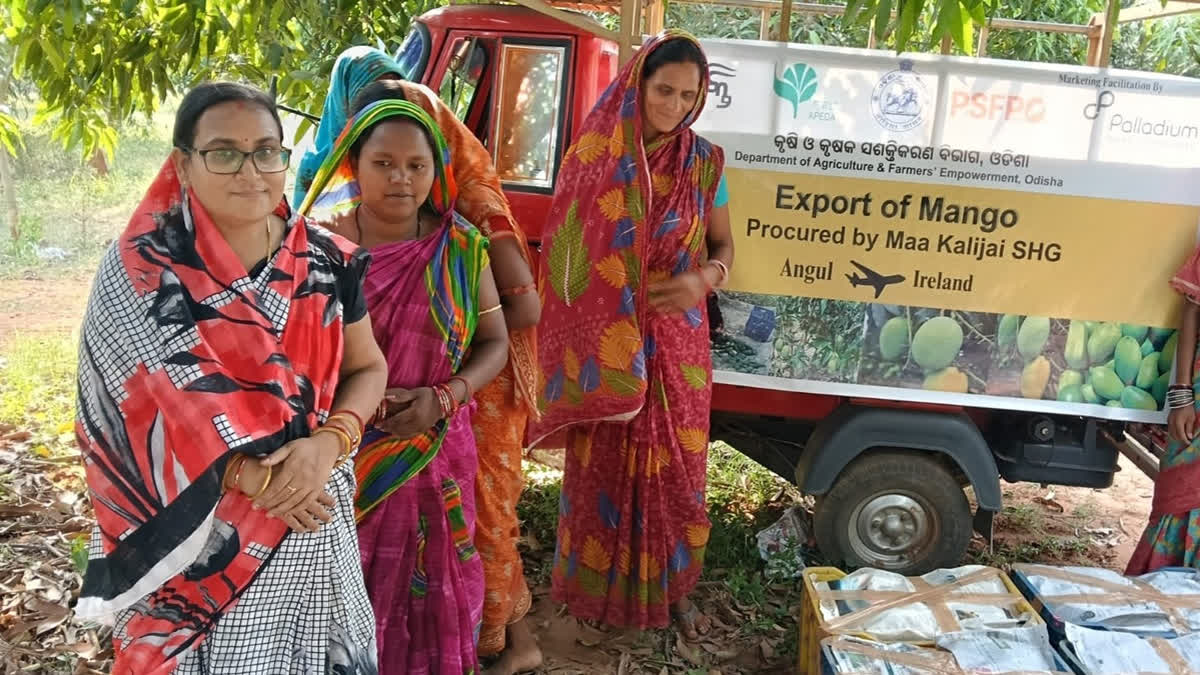
Bhubaneswar: For years, Manbodh Barik, a mango farmer from Dhenkanal, knew about only one place where he could sell his produce - the local market in his village. The price of his harvest was largely determined by local demand, middlemen and market conditions. This year, his mangoes travelled far beyond Odisha and India.
"Farming has been a source of livelihood for my family for generations. It gave me a life. But the Sabuja Sanatanpali Farmer Producer Company, and the Farmers' Producers Organisation (FPO) gave me a purpose," Barik said, describing how his life changed after the farmers' organisations connected him with the export markets.
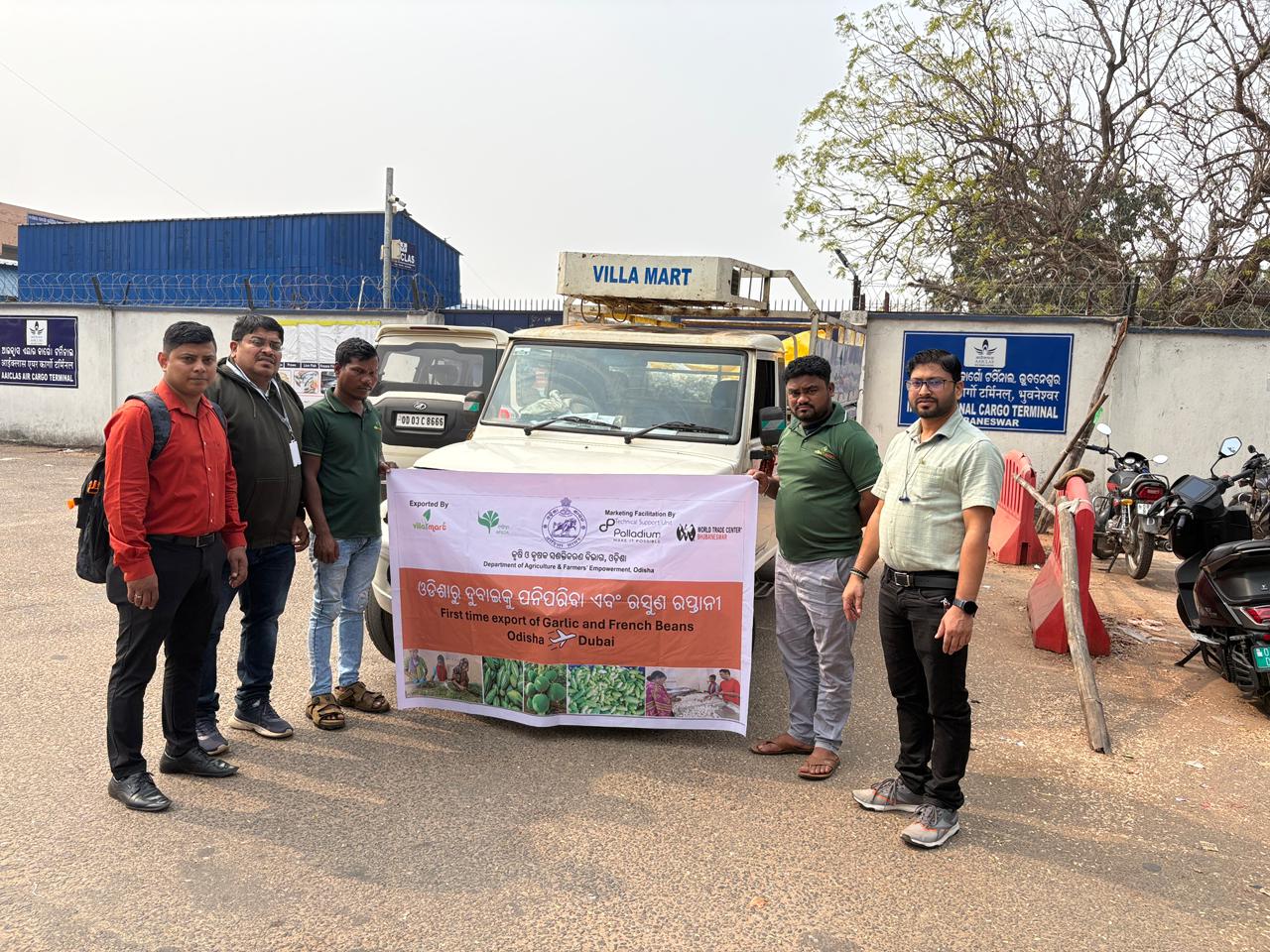
Just like Barik, hundreds of farmers associated with different FPOs have moved from depending primarily on local buyers to participating in export-oriented value chains. For them, the change is not merely about selling mangoes abroad, but changing the way they have been farming.
"Our produce is receiving better prices, gaining global recognition and creating better incomes for farmers. It has shown us that even small farmers can build global bridges through their produce, determination and right guidance," Barik pointed out.
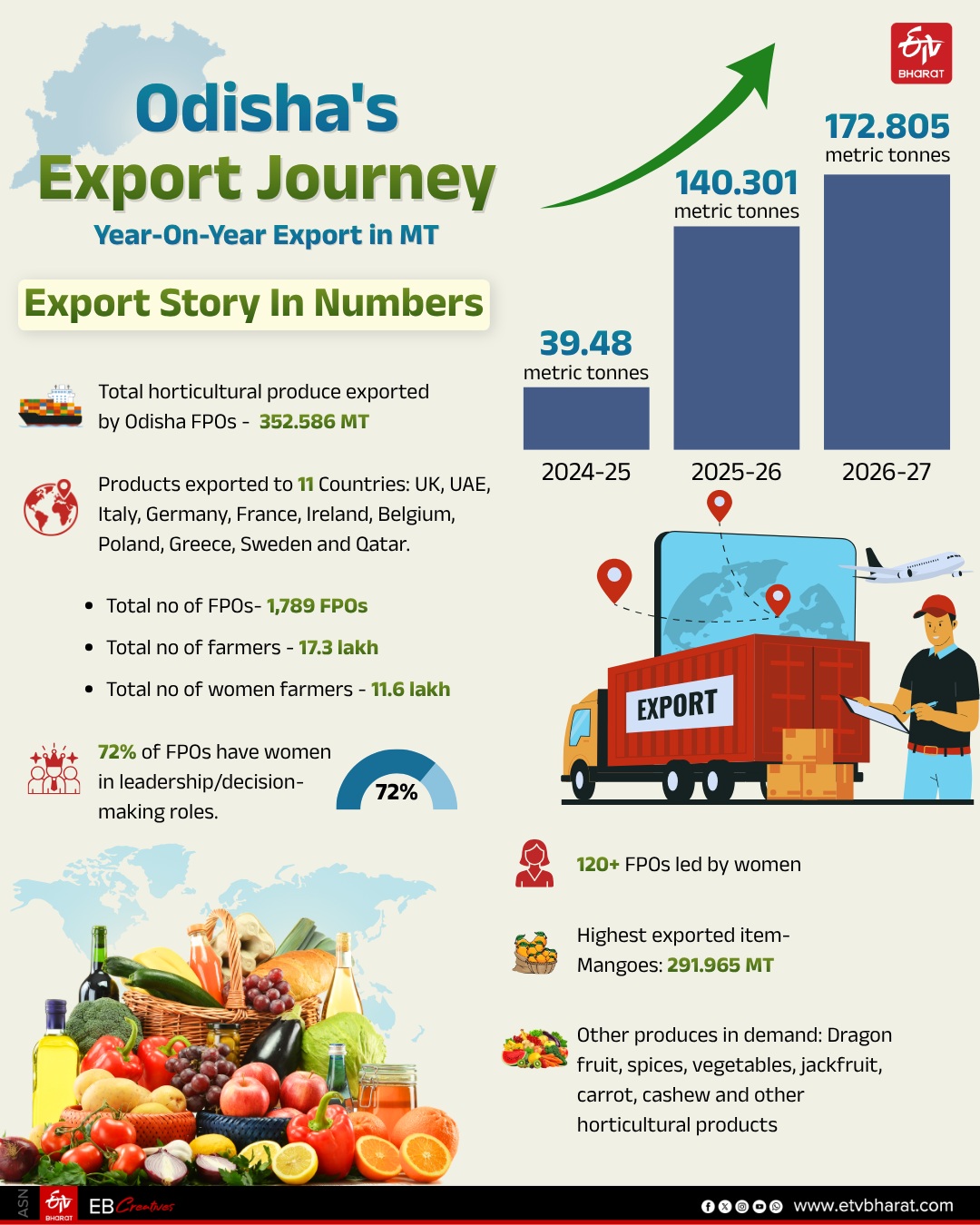
Notably, FPOs across Odisha have collectively exported 352.586 metric tonnes of horticultural produce to 11 countries worth Rs 572 crore, opening international markets to thousands of small and marginal farmers.
The export journey has accelerated sharply in just three seasons. From 39.48 MT in 2024-25, exports increased to 140.301 MT in 2025-26 and have already touched 172.805 MT in the ongoing 2026-27 season.
The produces have been sourced from across 15 districts, with the United Kingdom emerging as the largest destination market. Other markets include the UAE, Italy, Germany, France, Ireland, Belgium, Poland, Greece, Sweden and Qatar.
While the total exports of mango accounts for nearly 82%, registering a nine-fold growth in the last three years, other fruits, vegetables and spices have also been in demand in global markets.
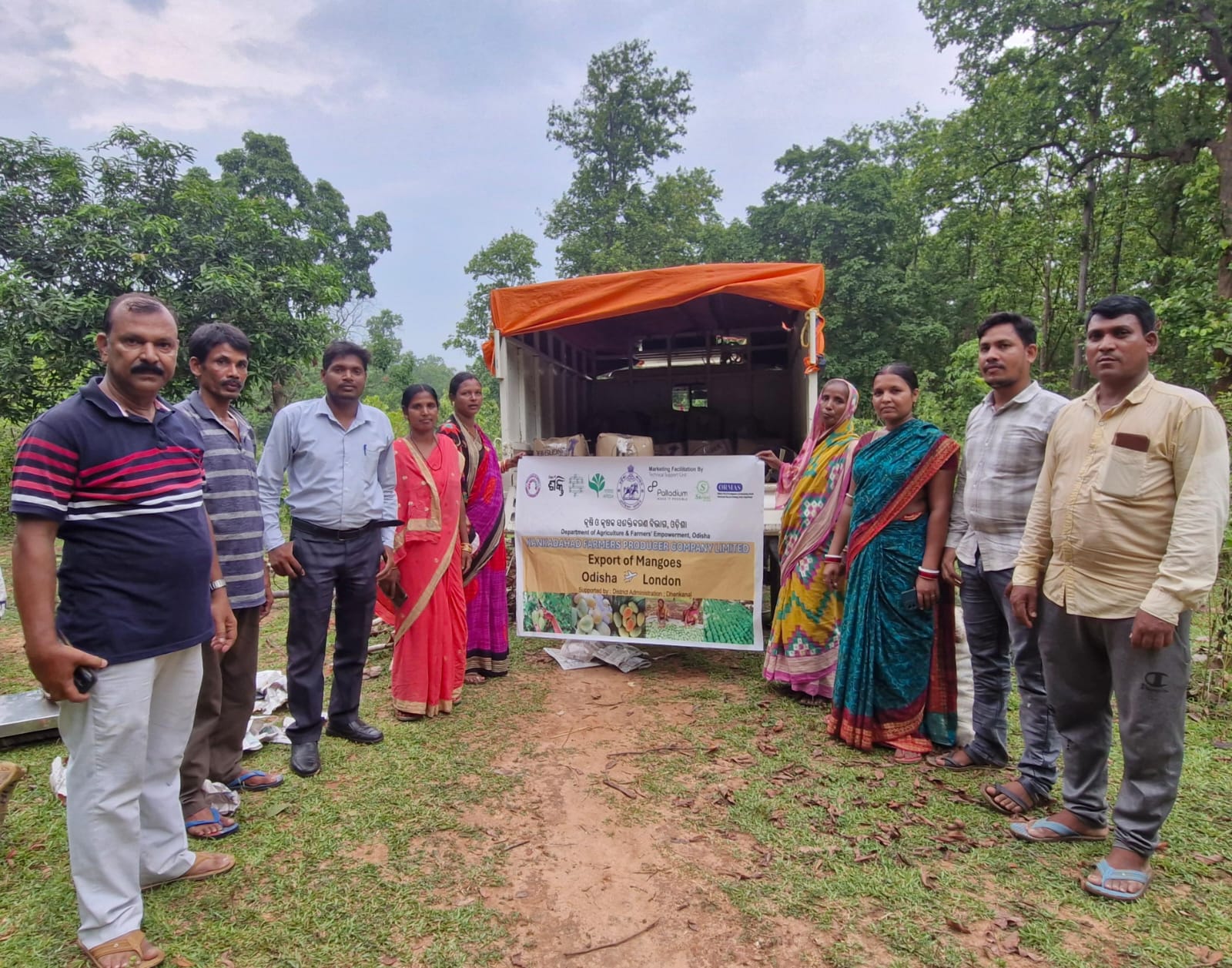
Speaking on the state's ambitions on exporting agriculture produces, deputy Chief Minister KV Singh Deo, who is also the agriculture minister said, "Exports are emerging as a key driver of farmer prosperity and an important pathway for showcasing Odisha's horticultural excellence in international markets. There is a need to establish a unique global identity for Odisha's mangoes and other produces."
As per official sources, Odisha has emerged as the leading state in India in the FPO registrations under e-NAM and is among the leading states under the Centre's 10,000 FPO Scheme.
Under the Promotion and Stabilisation of Farmer Producer Organisations (PSFPO) programme, the department of Agriculture and Farmers' Empowerment, and partners including Palladium India- a consultancy firm and NABARD, has reached 17.3 lakh farmers, including 11.6 lakh women farmers. The number of FPOs has risen from 343 to 1,789, official sources said.
Interestingly, women account for nearly 63 percent of all farmers reached under the programme. Today, 72 percent of FPOs have women in leadership and decision-making roles. While more than 120 FPOs are led by women CEOs, as many as 362 women serve as FPO accountants.
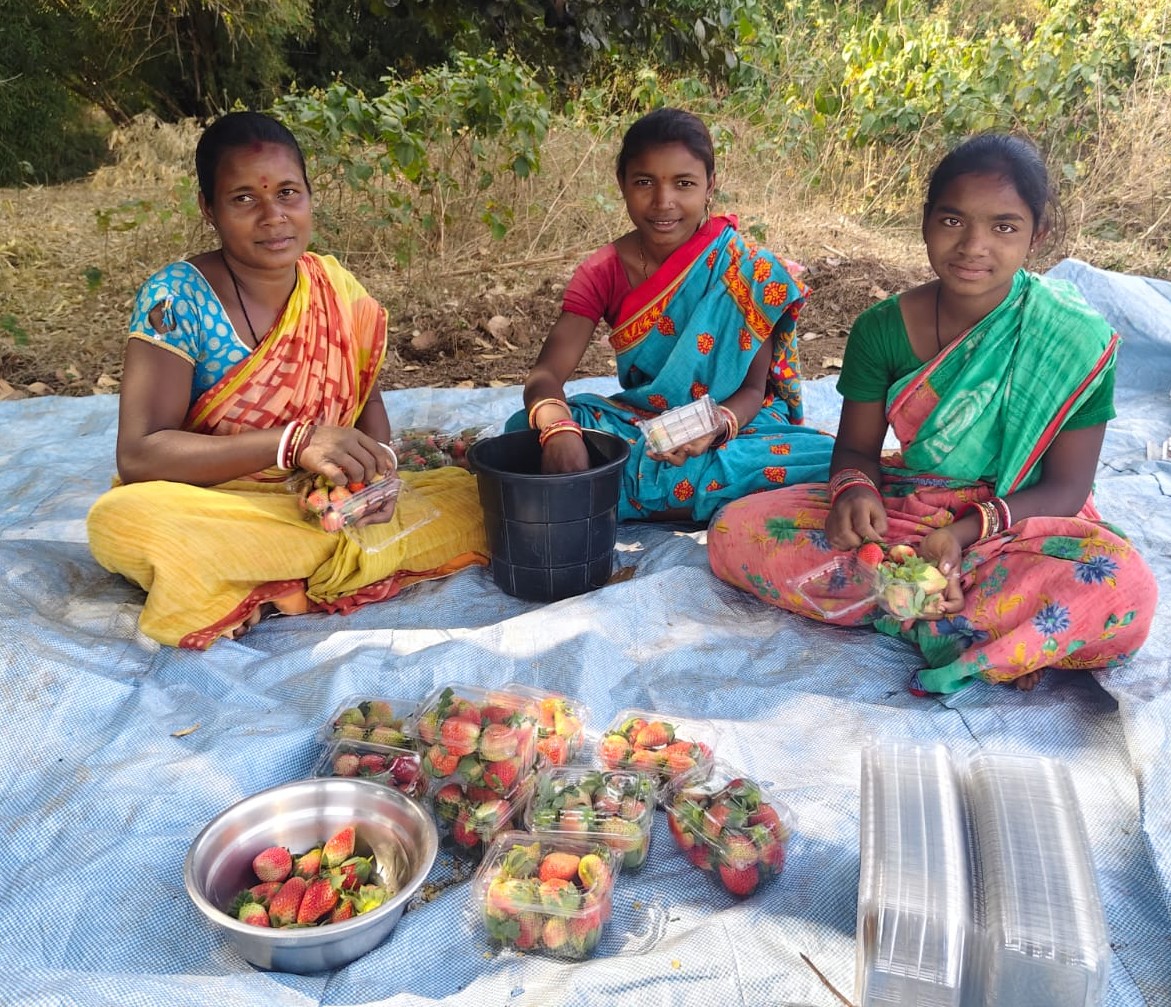
"Earlier, I used to sell produces of my farm in the local market. But joining the FPO changed my understanding of farming. I learnt scientific farming practices, digital advisories, better post-harvest management and other aspects concerning buyers. Most importantly, it connected us to export markets that I had never imagined we could reach," said Sankhajini, a woman farmer associated with Sabuja Sanatanpali Farmer Producer Company in Sambalpur district.
"Now that we are getting better prices for our yield, it has improved my family's financial stability and given me the confidence to take farming as a business. I want to encourage other women farmers to come forward and taste success," she added.
The PSFPO programme has adopted a demand-led approach involving value-chain mapping, buyer identification, market intelligence and commercialisation support. The FPOs have been prepared for being capable of export. As many as 61 FPOs are registered with Agricultural and Processed Food Products Export Development Authority (APEDA) and have secured Importer Exporter Codes (IEC) to participate directly in international trade.
Sitakanta Mandal, Regional Head (Kolkata), APEDA, said, "The progress achieved by Odisha over the last few years highlights the immense potential of FPOs in driving India's agri-export ambitions. With 53 APEDA-registered export-ready FPOs, growing buyer confidence and improving infrastructure, the state is well-positioned to move from export initiation to export scale. Going forward, there is significant opportunity to expand beyond mangoes into products such as spices, vegetables, dragon fruit and other horticultural commodities."
The state is looking to expand exports of dragon fruit, spices, vegetables, jackfruit, carrot, cashew and other high-value horticultural products, while strengthening access to premium markets across Asia and Europe.
In order to maintain the export momentum, the state government has launched Rs 252 crore Financial Assistance to Cold Storages Scheme, alongside a roadmap for 58 cold storages, 10 agro-processing and export facilitation centres and export-quality testing laboratories, a senior official in the agriculture department said.
According to the PSFPO team, the target is to create a supply chain that can consistently deliver quality produce from Odisha's farms to international markets.
Echoing the broader vision of the programme, Biswajit Behera, director of Palladium India and Lead, PSFPO Technical Support Unit, said, "Exports are a visible outcome of a much deeper transformation underway in Odisha's FPO ecosystem. Our focus has been to make farmers market-ready, FPOs business-ready and value chains investment-ready. The growth in exports, buyer partnerships and farmer incomes demonstrates the strength of this ecosystem approach."
Also Read:
