Gaya's Goldsmiths Sell Shop Dust For Lakhs Ahead Of Diwali; A Centuries-Old Tradition Continues
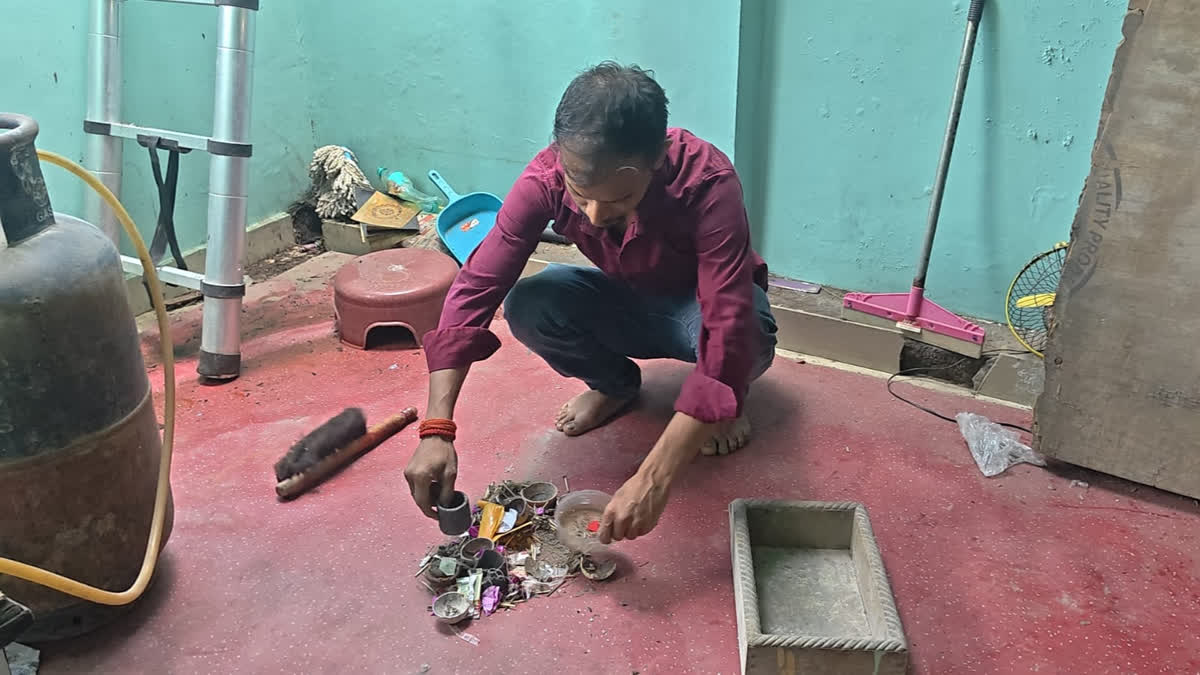
Goldsmiths have traditionally preserved the waste generated during jewellery-making throughout the year and sold it once, around Diwali.

Published : November 5, 2026 at 3:57 PM IST

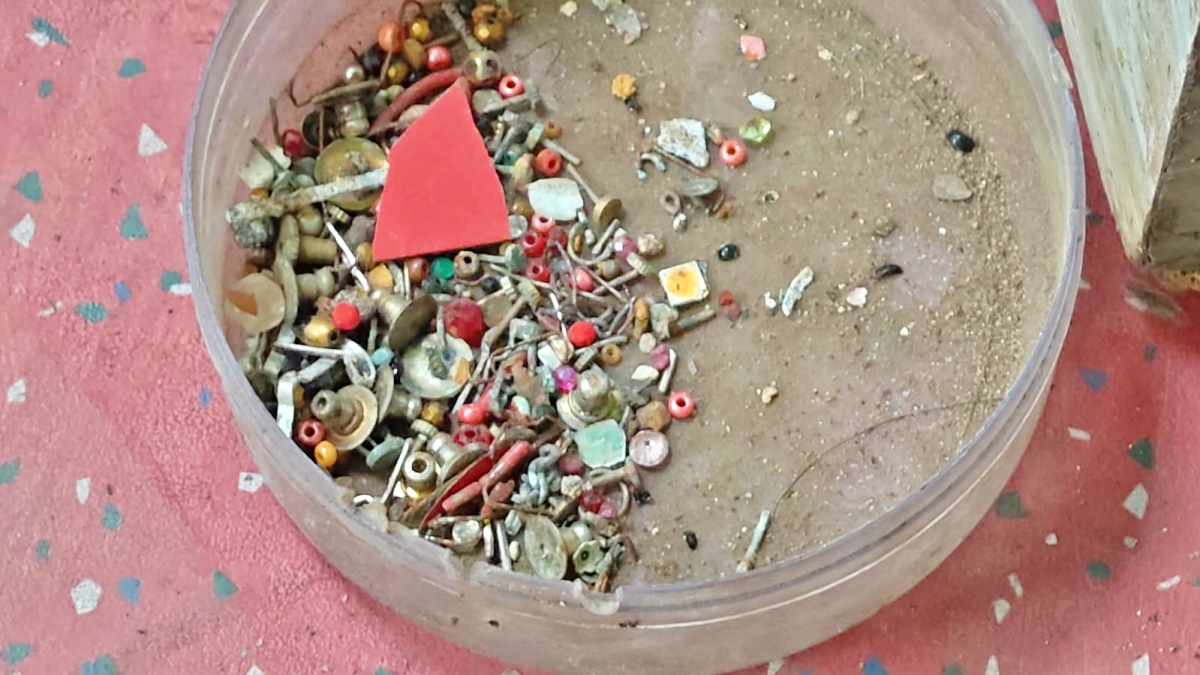
Gaya: Every year, ahead of Diwali, jewellery markets in Gaya, Bihar, witness a rush of buyers looking to purchase what appears to be ordinary dust collected from jewellery shops. However, this dust is far from worthless. Known locally as 'Nyara', it contains tiny particles of gold, silver and copper generated during jewellery manufacturing and can fetch prices ranging from Rs 25,000 to Rs 5 lakh or more.
The annual sale is part of a centuries-old tradition in which members of a specialised Muslim community, locally known as the Nyari or Dhul Dhoya community, travel to jewellery markets to purchase the accumulated waste. They possess the expertise to assess the precious metal content in the dust and extract valuable metals from it.
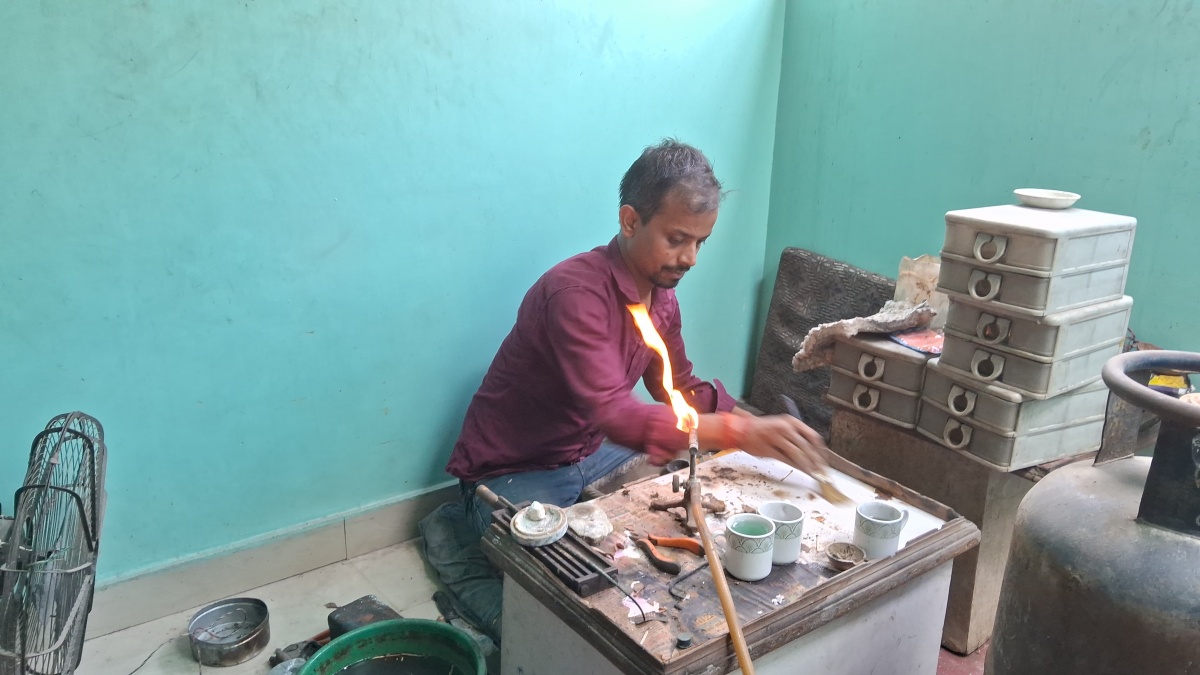
Goldsmiths have traditionally preserved the waste generated during jewellery-making throughout the year and sold it once, around Diwali. The practice is particularly prominent in Gaya's jewellery market, which has over 300 shops.
During the cutting, polishing and finishing of gold and silver ornaments, tiny metal particles fall along with dust. Since collecting these particles individually is difficult, jewellers store the dust in special containers instead of discarding it.
This accumulated material, known as Nyara, is then sold to specialised buyers who recover the precious metals from it.
According to the traditional practice, jewellery shop waste is sold only once a year, around Diwali and before Dhanteras. Members of the Nyari community, who specialise in recovering gold and silver from such waste, visit jewellery markets during this period.
Jewellery traders said buyers can estimate the quantity of precious metals in the accumulated dust through their experience and technical knowledge. Based on their assessment, they quote a price to the shopkeepers. If the jeweller finds the offer acceptable, the waste is sold.
Depending on the quantity of gold and silver particles present, a shop's accumulated Nyara can fetch anywhere between Rs 25,000 and Rs 5 lakh.
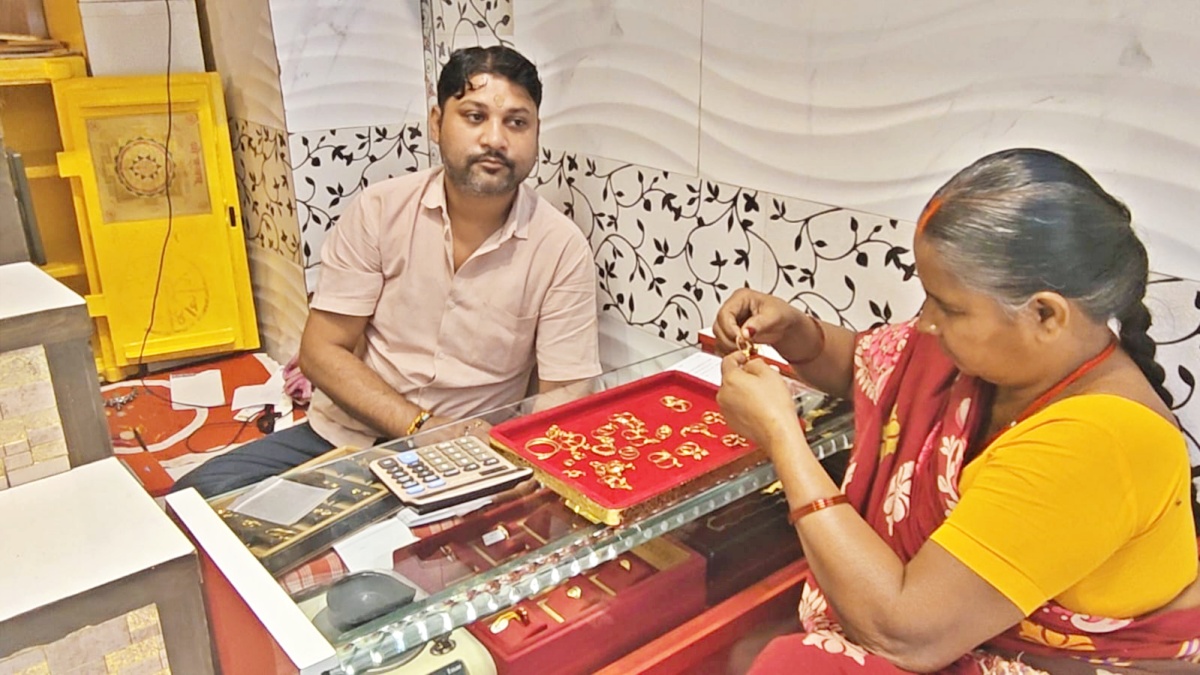
Gaya has about 300 to 350 jewellery shops across its main bullion market and other locations. Every year, buyers from different parts of the country, including Uttar Pradesh, Jharkhand, West Bengal, Delhi and Sasaram in Bihar, visit the city to purchase Nyara.
Jewellery traders said buyers from Varanasi, Sasaram and Delhi had also arrived in Gaya for this year's annual sale.
The transaction benefits both jewellery shop owners and the buyers. For jewellers, the money earned helps cover expenses related to shop maintenance, painting and cleaning ahead of Diwali. Goldsmiths and their assistants also receive a share of the proceeds under the traditional arrangement.
The dust is collected throughout the year in separate storage containers kept at jewellery workshops.
Gold and silver particles generated during the cutting, filing, grinding and polishing of ornaments mix with the dust and other waste materials. Instead of throwing this material away, artisans carefully preserve it for the annual sale.
Monu Kumar Soni, a goldsmith, said artisans collect the particles generated during jewellery manufacturing and store them separately throughout the year.
He said buyers from Uttar Pradesh, Jharkhand and other regions visit jewellery markets specifically to purchase this waste.
"Nyara is sold for Rs 50,000, Rs 1 lakh or even Rs 2 lakh, depending on its value. People from outside come to purchase this dust. Buyers from Jharkhand, Delhi and Sasaram have arrived this year. We have already sold Nyara worth around Rs 50,000 this Diwali season," Soni said.
Jewellery trader Amit Soni said Nyara consists of waste accumulated over 365 days during jewellery manufacturing.
He said shopkeepers carefully collect and store the dust rather than throwing it away. The material is generally sold around Diwali, before Dhanteras, when it fetches a good price.
"The price can range from Rs 50,000 to Rs 1 lakh or even Rs 2 lakh, depending on the quantity of gold present in the Nyara. Buyers come from Uttar Pradesh, West Bengal, Odisha and different parts of Bihar, including Sasaram. Those who purchase Nyara for Rs 1 lakh can earn around Rs 2 lakh to Rs 2.5 lakh after recovering the precious metals. However, the process also involves considerable hard work," he said.
Recovering precious metals from Nyara is a specialised and labour-intensive process. Members of the Nyari community separate tiny particles of gold, silver and copper from the accumulated dust.
According to Amit Soni, the material undergoes several stages of cleaning and processing. The dust is washed using different types of water to separate impurities. Mercury is traditionally used in the metal recovery process to collect gold and silver particles. The remaining material is then melted to obtain a mixed metal product, which is subsequently refined to extract pure gold.
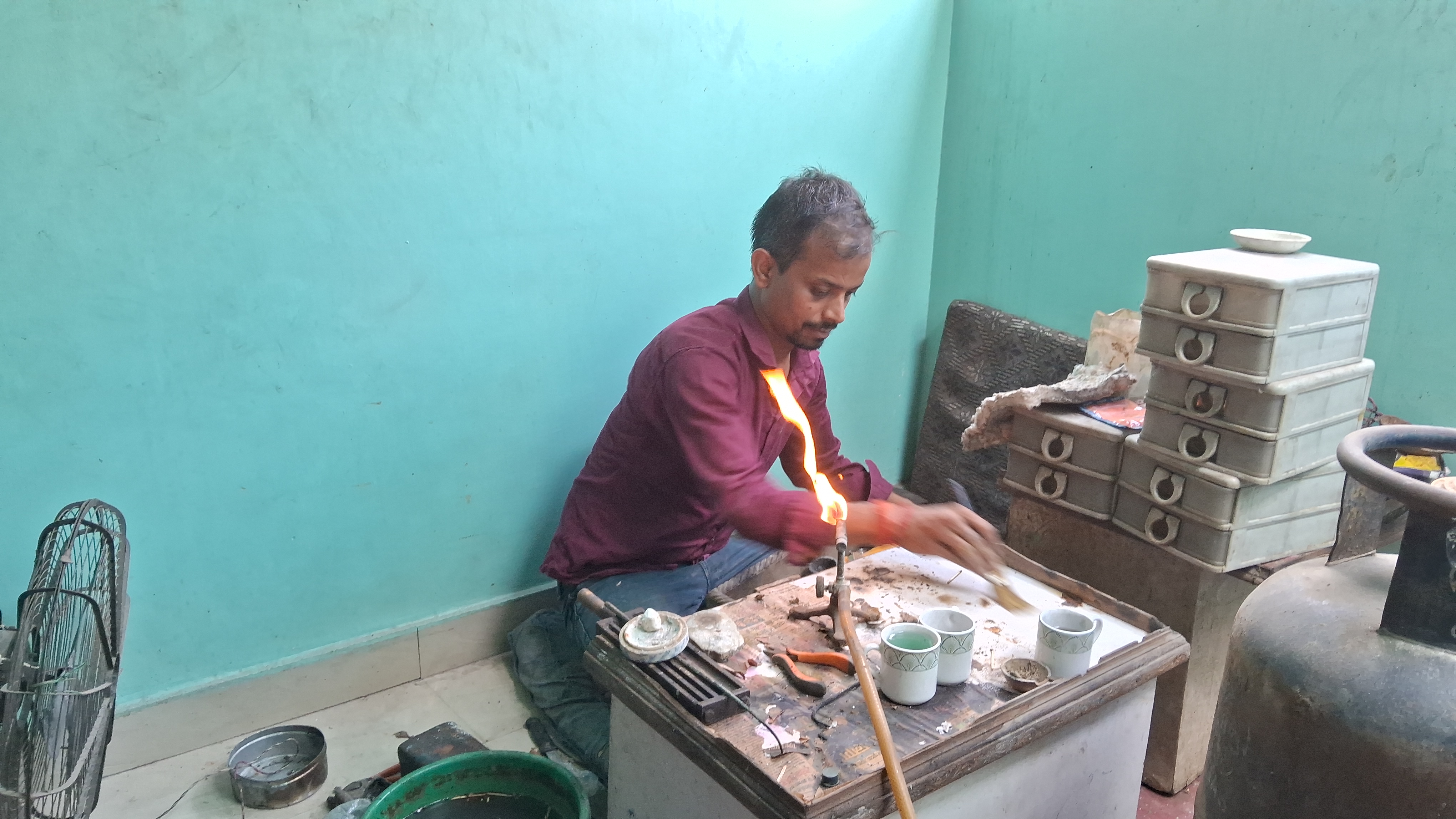
The buyers also recover small copper particles from the waste, ensuring that different metals are separated and collected. The annual sale also provides additional earnings to goldsmiths and their assistants.
He said the arrangement had been followed for generations and helped workers share the benefits of the annual sale.
"Diwali is a Hindu festival, but our Muslim brothers also contribute to the celebrations through this traditional trade. We collect the waste throughout the year and sell it around Diwali. This year, our shop's Nyara fetched Rs 1 lakh, which will help us pay for painting and other maintenance work. Under the traditional arrangement, the goldsmith receives 12 per cent, and the assistant receives 2 per cent," Soni said.
Jewellery trader Neeraj Kumar Soni said the quantity of Nyara generated by a shop depends largely on the number of artisans working there. He said the accumulated waste generally does not sell for less than Rs 20,000 to Rs 25,000, while shops employing five to 10 artisans can sometimes fetch more than Rs 5 lakh.
"Buyers, those from Sasaram who belong to the Nyaria community, purchase the accumulated waste and separate the gold and silver particles. We sell the entire collection in one lot, and they carry out the extraction process themselves," he said.
Read More:
