19 Children Die In Balaghat As Malnutrition, Disease Raise Alarm
These villages are inhabited by tribal communities, including the Baiga and Gond communities.
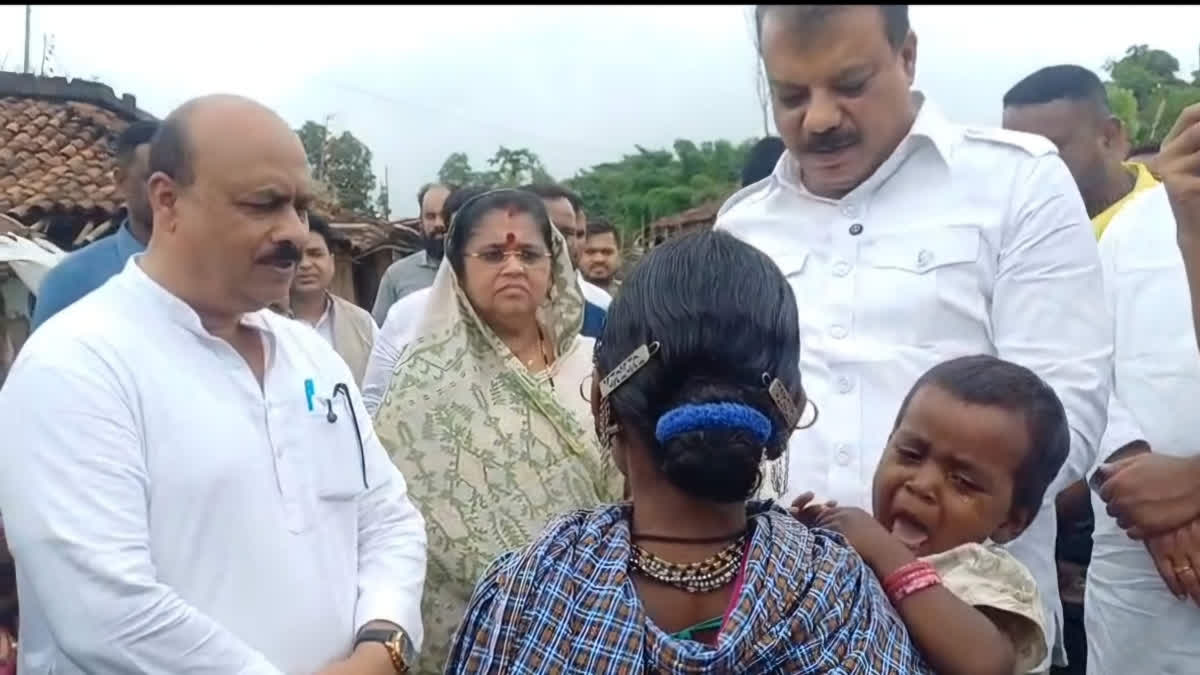

Published : August 18, 2026 at 8:20 PM IST
|Updated : August 18, 2026 at 8:36 PM IST

Balaghat/Bhopal: The deaths of 19 children in Madhya Pradesh’s tribal-dominated Balaghat district have raised concern over malnutrition, inadequate healthcare and alleged gaps in the distribution of nutritional supplements.
While local residents say that 19 children have died in the last two months in villages including Machhurda, Korka, Matla, Kondeksa, Adori and Bondari. Villagers allege that nutritional supplements have not been distributed in the affected areas for nearly six months.
The Congress has also targeted the Mohan Yadav government over the deaths, alleging administrative negligence and failure to ensure basic health and nutrition services in remote tribal areas.
These villages are inhabited by tribal communities, including the Baiga and Gond communities. The areas are also affected by left-wing extremism, which has contributed to difficulties in infrastructure and access to government services, including nutritious food, which has led to malnutrition in the region.
“Two of the three children are underweight. One is five years old and weighs around 10 kg. We have not received nutritional supplements for a long time. If we had received them, then one child could have been saved,” said Sagnu Markam, a resident of Machhurda village, who lost his one son and three others are admitted to a hospital.
ETV Bharat attempted to contact Madhya Pradesh Women and Child Development Minister Nirmala Bhuria for a response. However, a response was not available.
The government operates several schemes aimed at addressing malnutrition and improving nutrition among children and vulnerable tribal communities.
These include PM POSHAN, which provides nutritious meals to schoolchildren; PM-JANMAN, which focuses on Particularly Vulnerable Tribal Groups (PVTGs); the Aahar Anudan Yojana, under which eligible women from communities such as Baiga, Bharia and Saharia receive monthly nutritional assistance; and Saksham Anganwadi and POSHAN 2.0, which provide supplementary nutrition and take-home rations.
Residential tribal schools also provide meals to children staying at government-run institutions.
Apart from malnutrition, Malaria is another major concern in the district. Government data show that Balaghat accounted for around 50 per cent of Madhya Pradesh's malaria cases in 2022. The district's share was reportedly 51.5 per cent in 2023, 57 per cent in 2024 and 30 per cent in 2025. Residents have also alleged that mosquito-net distribution in tribal areas stopped after 2025.
Although public distribution systems and Anganwadi services have been digitised and monitors its services through facial identification and nominee modules using POSHAN Tracker, residents in the affected Baiga-Gond areas allege that they continue to face difficulties accessing basic services.
Residents also complain about inadequate access to clean drinking water and healthcare facilities.
According to figures presented by the Women and Child Development Department during the 2025 Assembly session, Madhya Pradesh had around 1.36 lakh malnourished children, including approximately 29,830 children suffering from severe malnutrition.
The state's reported malnutrition rate was 7.79 per cent. The figures showed that Rs 8 per day was being spent on nutrition for moderately malnourished children, while Rs 12 per day was allocated for severely malnourished children.
Recently, Madhya Pradesh Leader of Opposition Umang Singhar visited Balaghat along with the district's four Congress MLAs. They met residents as well as families who had lost children.
He said that 19 children had died in the affected areas and alleged that the administration was hiding the actual number of deaths.
“If health facilities had been implemented effectively and in time, perhaps such a situation would not have arisen,” Singhar said.
Read More: