US Midterms 2026: Trump's Change Of Course Is A False Hope
Iran war has become both a pocketbook issue and a test of presidential competence – a combination midterm electorates rarely forgive.

By Vivek Mishra
Published : October 29, 2026 at 1:42 PM IST

Just days before the US electorate votes on November 3, Democrats may be favoured to win the House and hold a narrow edge in the Senate, turning the corner from the 2024 verdict that returned Donald Trump to the White House with both chambers.
Decision Desk HQ, an independent data forecaster, gives Democrats a 79% chance of winning the House, with around 238 seats, and a 57% chance of winning the Senate. Three scenarios are important to consider, as per figures now: The most likely outcome is a Democratic sweep. The next most likely is a split verdict in which Republicans hold the Senate but lose the House. The third and less-likely scenario is a full Republican hold.
The national mood explains the shift. Trump’s approval rating has fallen to 31% in the Reuters/Ipsos poll, the lowest of either term, and Democrats lead the generic congressional ballot by 47% to 35%.
The Senate remains genuinely contested. Republicans hold 53 seats, so Democrats need a net gain of four in a cycle where many of the contests lie in Republican-leaning states.
The Redistricting War
The most striking feature of this cycle is Democratic competitiveness in areas Trump won comfortably in 2024. Senate races in Iowa, Ohio and Texas – all carried by Trump by double digits – are rated toss-ups, and Alaska now leans Democratic. The traditional purple states have, if anything, moved further from Republicans. Furthermore, in states like North Carolina, Georgia and Michigan, Democrats are positioned ahead of the Republicans.
The other issue that will be decisive is redistricting cuts both ways. At Trump’s urging, Republicans redrew maps mid-decade in Texas (five seats), Florida (four), Ohio (two) and in North Carolina, Tennessee, Louisiana and Alabama. Democrats answered with California’s Proposition 50 (five seats) and gained a court-ordered seat in Utah, but Virginia’s referendum was struck down and Missouri’s new map will not be used this year. The net Republican gain may be a real cushion.
The Issues: Prices, Jobs And The Iran War
The cost of living dominates the issues impacting how people will vote in the Midterms. Diesel averaged over $6 a gallon against $3.48 in January; Brent crude is up more than 80% this year; and annual inflation reached 3.7% in September. The labour market is softening as well: the economy added just 29,000 jobs in September and unemployment rose to 4.2%.
What sets this election apart is that foreign policy is a first-order issue. The war with Iran, now in its eighth month, has fed directly into fuel prices through repeated disruption in the Strait of Hormuz, and around two-thirds of Americans disapprove of Trump’s handling of it.
His attempt to ease prices through a diesel deal with Russia has backfired politically, drawing objections from Republican senators such as Collins, Lisa Murkowski and Thom Tillis. The war has thus become both a pocketbook issue and a test of presidential competence – a combination midterm electorates rarely forgive.
Races To Watch
In Texas, Democrat James Talarico leads Attorney General Ken Paxton by 48% to 46% in a University of Houston poll, and by 60% to 32% among independents. Paxton, whom Trump showcased at the Republican convention, carries heavy personal and legal baggage. A Talarico win would be the first Democratic statewide victory in Texas since 1994.
In Michigan, in the open Senate seat, progressive Abdul El-Sayed leads former Republican congressman Mike Rogers by 50% to 48% in polls. The race will test whether a left-populist economic message can win a state Trump carried in 2024.
The race is underway in Alaska, where a former congresswoman Mary Peltola leads Senator Dan Sullivan narrowly in most October polls. Because Alaska uses ranked-choice voting and counts late absentee ballots, the result could take two weeks which may be long enough to leave Senate control unresolved.
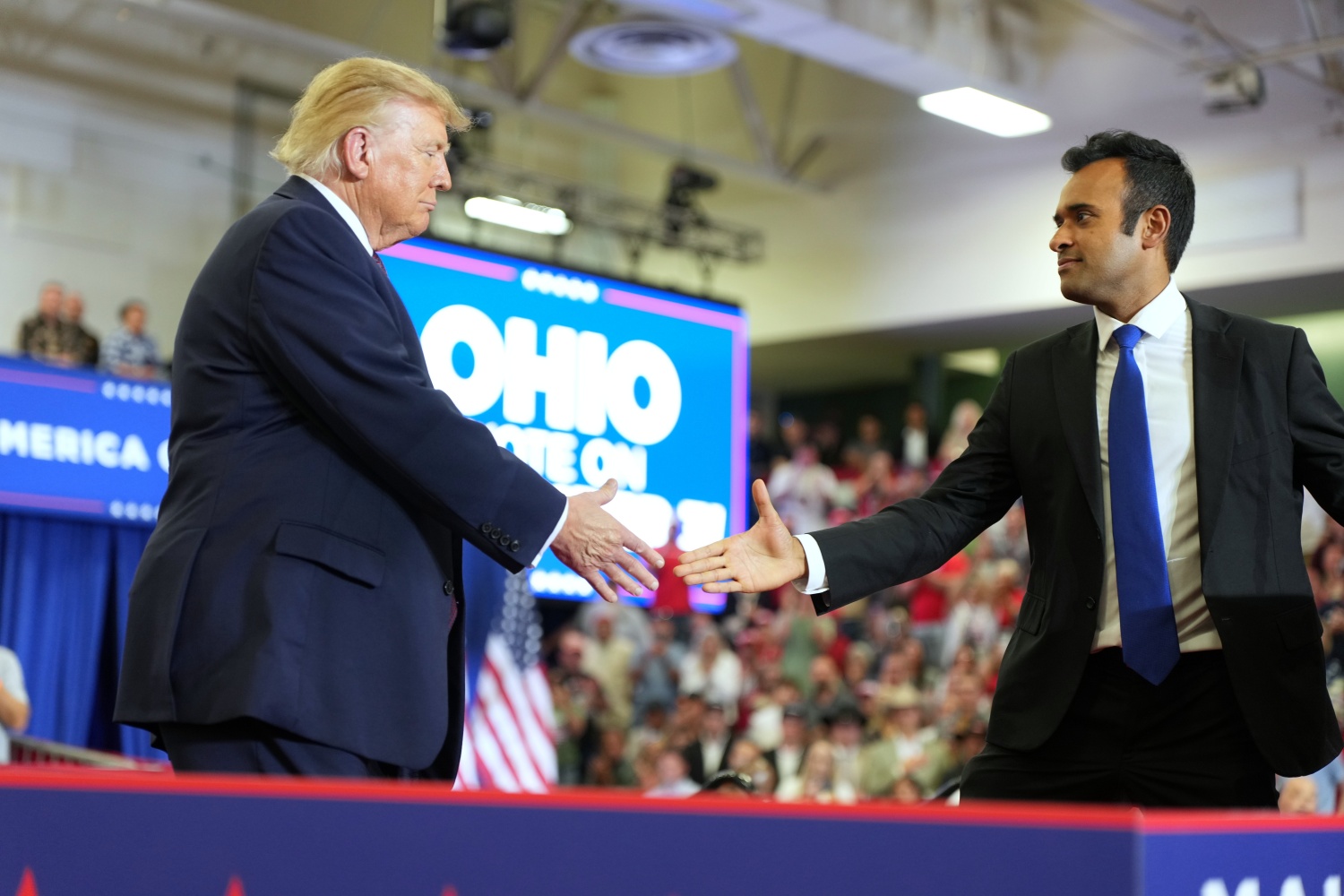
Finally, one of the more fascinating close races is playing out in Ohio. Vivek Ramaswamy, Trump-endorsed and formerly at the head of the Department of Government Efficiency, trails Democrat Amy Acton in the governor’s race by eight points in a CNN-SSRS polling, although one other survey has him narrowly ahead.
Prediction markets give Acton roughly a 70% chance. Defeat would set back the most prominent Indian American in Trump’s political orbit and signal that the MAGA brand is struggling even in a state Trump won three times.
Money, Midterm Convention And Ground Game
In September, the Republican National Committee (RNC) held the first midterm convention in American political history, in Dallas. With no nominee to choose from, it was a Trump-centred rally and donor showcase. Several vulnerable Republicans stayed away from it. The move reflects a party trying hard to reverse anti-incumbency by nationalising the election around Trump and energising his base. With Trump’s approval teetering around 30 percent, it risks energising his opponents as much as his supporters.
Republicans hold a clear advantage in party money, with the RNC consistently outraising a debt-laden Democratic National Committee and passing US$200 million for its midterm effort. That edge is narrower than it looks, however. Democratic candidates are outraising their opponents in several top Senate races, and in a low-turnout midterm the question is whether Republican resources can be converted into a ground advantage that turns out voters who are disillusioned with prices and the war.
Trump’s Remaining Two Years
The most ominous signal is that the outcome may change little in the direction of policy. Trump has repeatedly hinted that strikes on Iran will resume after November 3, and he has sent a third carrier strike group and 10,000 additional sailors and Marines towards the Gulf.
Iran is preparing to retaliate across the region. Having found no way either to win or to end the war, Trump appears to have deferred escalation rather than abandoned it, regardless of the result.
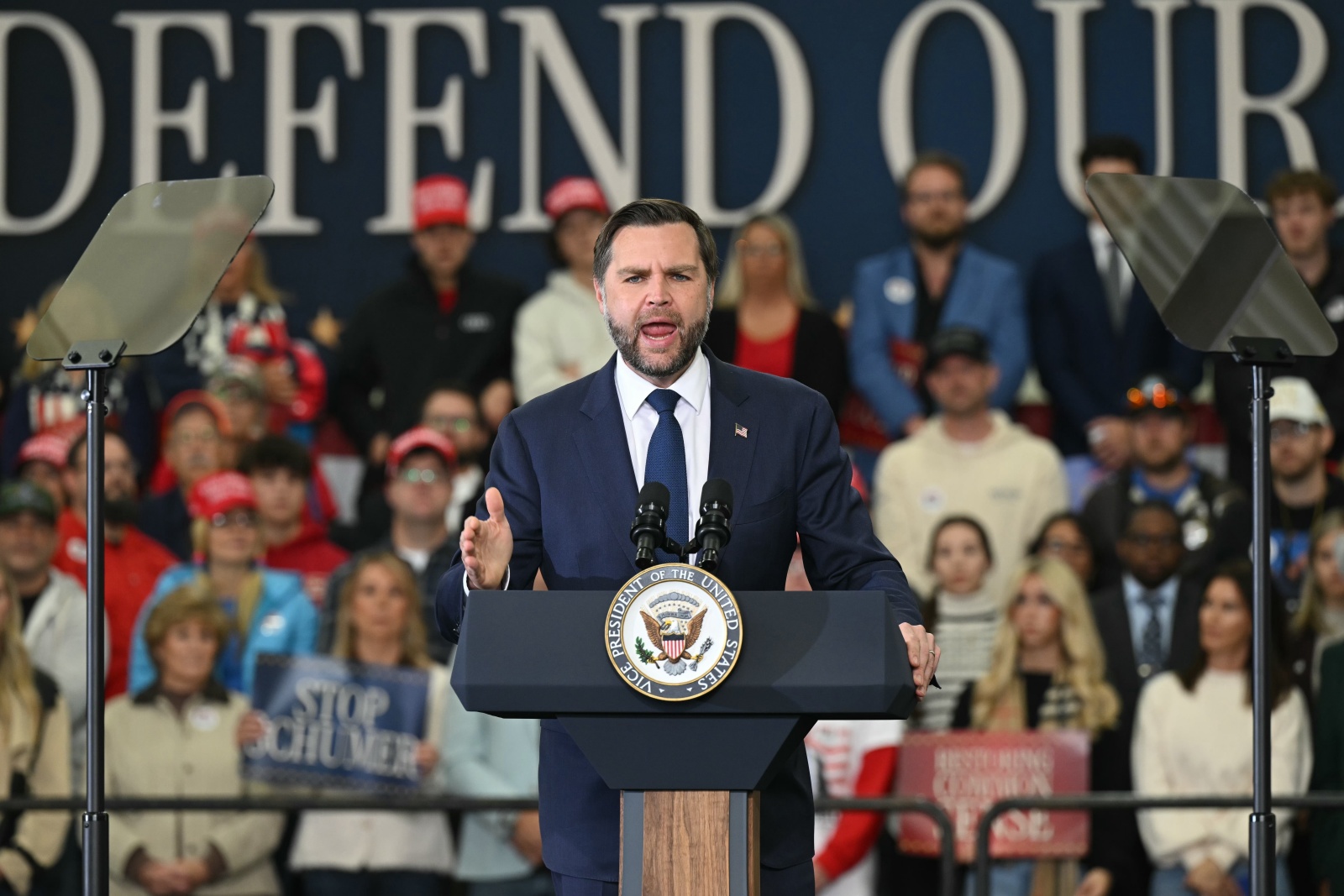
Nothing till now suggests that defeat would prompt a change of course. More likely, Trump would double down at home and abroad, relying on executive orders, tariffs, immigration enforcement and the use of force. A Democratic House would raise the costs for Trump’s actions with new mandates in subpoenas, control of appropriations, war-powers votes and possibly impeachment proceedings. These would constrain Trump at the margins, but may not change the direction of a combative Executive.
If Republicans keep the Senate, Trump will retain the power to confirm judges and officials, which makes the split verdict his best realistic outcome.
For India and other partners, the lesson is to prepare for a more combative and less predictable Washington through 2028, with continued volatility in energy markets and wars that may escalate before halting. The midterms are a referendum Trump cannot escape, but they are unlikely to be a check that changes his course.
(Disclaimer: The opinions expressed in this article are those of the writers. The facts and opinions expressed here do not reflect the views of ETV Bharat)
Read More
