Analysis | Tracing Historical Fault Lines Behind Saudi-Houthi Conflict: Mecca, Yemen and Tehran
The axis of resistance may no longer be what Iran wanted it to be at a time when Tehran needs them the most.

By Bilal Bhat
Published : October 29, 2026 at 5:58 PM IST

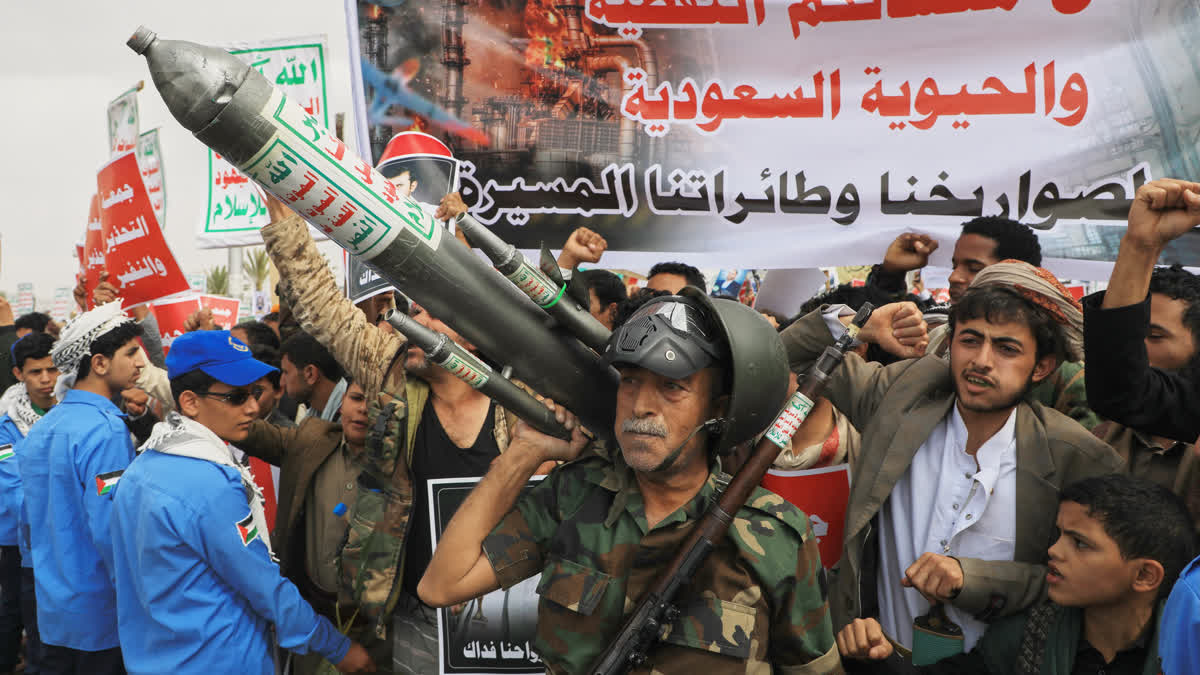
Iran-backed Houthi militants of Yemen seem to have no plans to stop attacking airports, oil refineries and military installations, including the air bases in the south of Saudi Arabia. The Houthis, primarily part of the axis of resistance, derive their cadres from Zaydi shiiates of Yemen, remain the only group left to showcase their backing for Iran after Hamas and Hezbollah were rendered weak by Israeli onslaught.
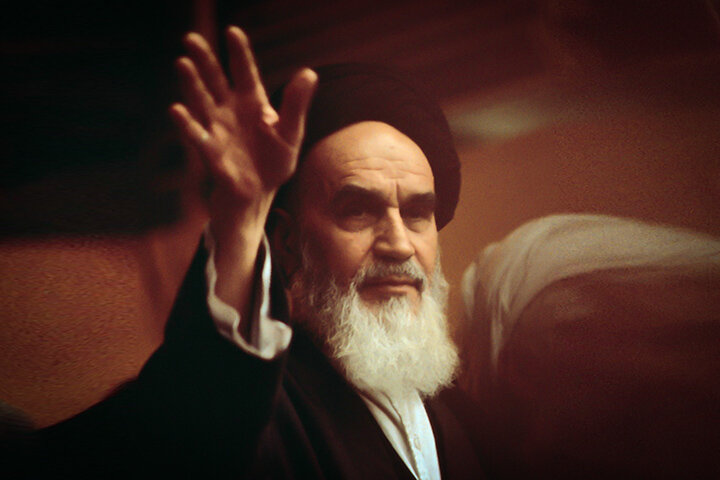
The story of the Houthis fighting Saudi-led sunni forces in Yemen is decades old. Yemeni Zaydis ruled the country for centuries before being overthrown by Saudi-backed forces in the 1960’s. After facing defeat, Zaydis remained a broken community with no hope of returning to power until the Iranian revolution succeeded. The Zaydis were emboldened only after the Iranian revolution began flourishing and thriving on the popular sentiment that it enjoyed in and after 1979. Zaydi Shiites in Yemen started looking forward to having an alliance with Islamic Iran, as radicalisation among the youth had started not only in Shiites but across the Muslim world after the Ayatollah-led movement overthrew the Shah Reza Pahalavi’s rule.
Yemen has always been a bridge for Iran to act against Saudi Arabia, be it to take control by bringing proxies into the picture or to bring about regime change. For Iran and its allies in the region, it is assumed that the monarchies in the Middle East are proxies of the West, especially Saudi Arabia. The country holds a huge religious significance, as the highest place of worship for Muslims of the whole world, Kaaba (Grand Mosque) is situated in Mecca. Muslims across the world face the Grand Mosque while offering prayers five times a day.
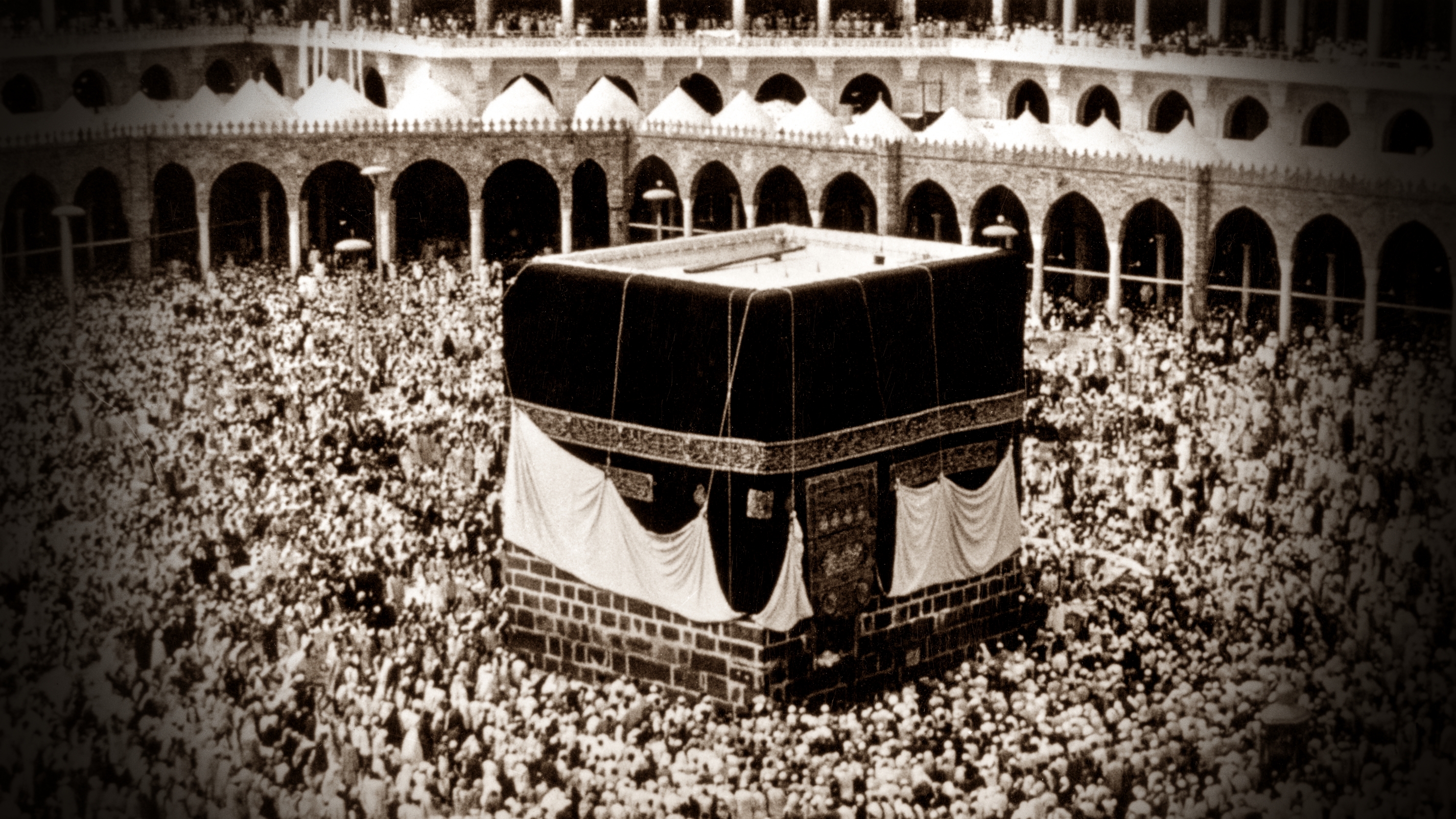
Among the Shiites, there is a strong belief that the messiah (Imam Mahdi) will re-emerge to show Muslims the right path and will address them from the grand mosque in Mecca. The success of the Iranian revolution in 1979 reinforced that belief.
Zaydi in Yemen also got hope after the Ayatollah Khomeini led movement overthrew Shah’s rule in Iran. For a decade, they consolidated their bases silently against the Saudi-backed Yemeni government. Iran also started investing heavily in them and equipped them with weapons and training. Hussein Badreddin al-Houthi, a Zaydi cleric founded the military group and was named after him, the Houthis, formally started a resistance movement in 1990’s. Hezbollah also helped them strategise against the Saudi backed government.
The Grand Mosque Siege in Mecca
It all started taking shape after the 1979 Iranian revolution. The script for a bigger battle and a split between nations was being written the same year, and some of the history’s disasters were to be witnessed, some very soon and some eventually ripening into a bigger movement. The first major disaster happened in November 1979, and it was the first day of Muharram, which holds special significance for Shiites. In the first month of Muslim calendar year, armed militants stormed the Grand Mosque of Mecca, having smuggled arms in coffins, and took over the premises for two weeks. Initially, it was reported that Iran was behind the attack. After Ayatollah Khomeini blamed the US and Israel for the attack, leading to an attack on the US embassy in Pakistan, where two Americans were killed, the Saudi government without losing time denied any foreign hand in the Grand mosque attack.
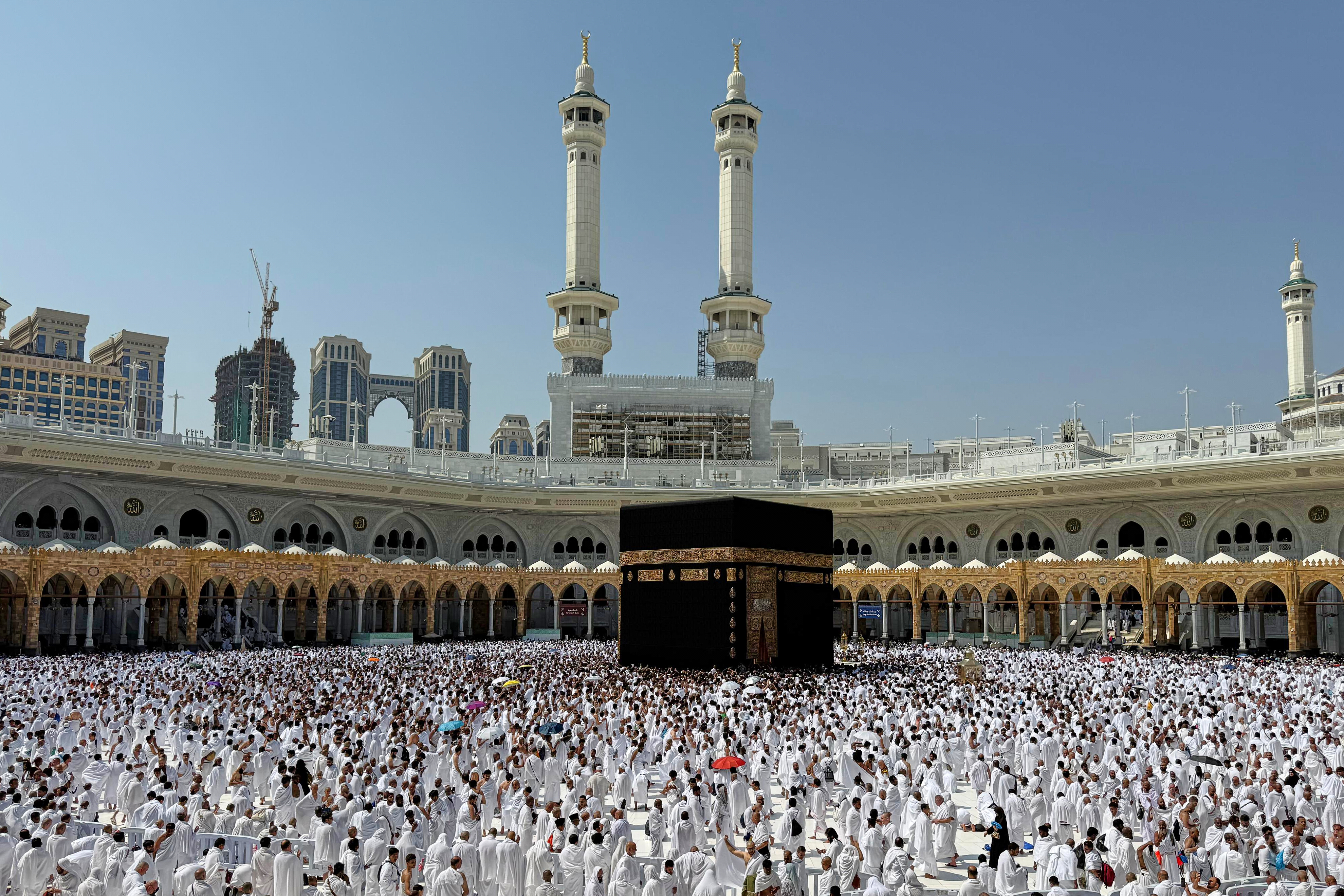
The attackers had bought the weapons from Yemen, and the Oteiba tribe of Saudi was involved in the attack was confirmed a month later. All this was happening when Iran was celebrating the revolution and its success. One of the attackers was projected as a messiah, and an announcement was made in the Grand Mosque that ‘Mahdi has come’. It was the bloodiest attempt at regime change in Saudi Arabia in centuries, and blood was spilt within the mosque premises.
The operation against the rebels continued for two weeks, and finally, the Saudi government took complete control of the grand mosque. The incident brought Pakistan close to the Saudi kingdom, and Pakistan had its armed forces deployed in the country for years to come to protect the Grand Mosque. The fact that arms had entered the country through Yemen was what was known, and Iran’s hand was being discussed in the power corridors across the West. The then interior minister’s statement that ‘no foreign hand in the attack,’ indeed brought silence to discussions but the mystery surrounding many things remain till today. What was evident was that the Iranian revolution succeeded in the same year, arms entered through Yemen, and slogans in the Mosque.
It was apparently believed that those Yemenis who helped supply the arms to Saudi rebels had some connections with Iran. The Mecca siege remained in the memory for more than a decade. Arabs did not forget it, as the Zaydis subdued, until they emerged as a force to reckon with, with Iran’s continuous support. Incidentally, analysts look at Mecca siege and the supply of arms from Yemen to rebel fighters against the Saudi regime as part of Iranian Islamic revolution, as the attack in Mecca coincided with what was happening in Iran in the same year.
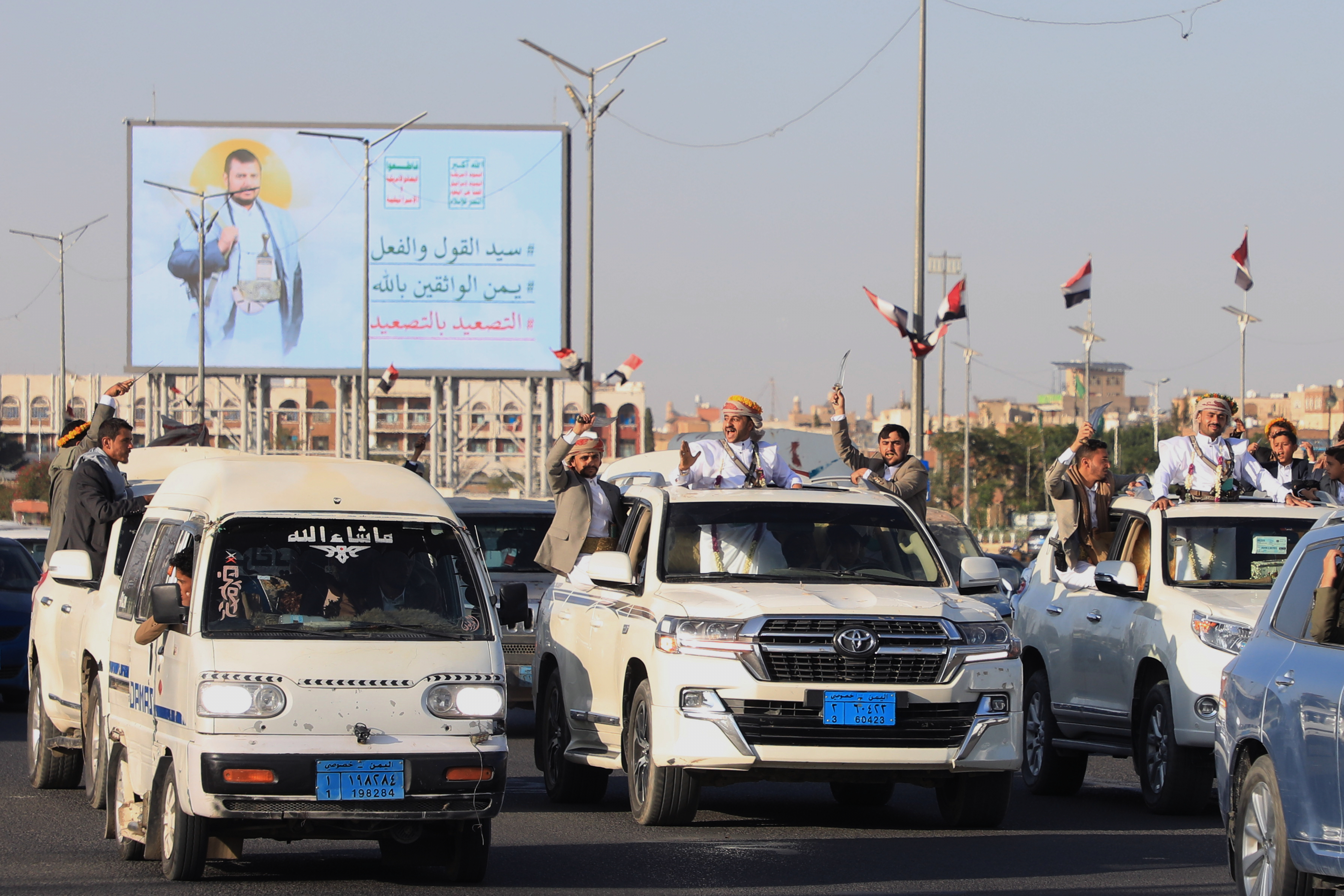
Iran-Yemen-Saudi’s fighting an ideological war
The Iran-Yemen-Saudi conflict is more ideological than simply a political fight, in which Saudi Arabia supports the Sunni Muslims of Yemen against Shia Houthis of the nation.
Iran has throughout believed that Saudi kings and princes have sought refuge under Western powers and have stalled any attempt to counter Western hegemony. Iran sees itself as a messiah, and any cause that is fought in the name of religion is supported by Iran. The axis of resistance is a culmination of that thought, where Hezbollah was founded to fight Israel alongside Hamas; support for the Houthis is aimed at overthrowing the Saudi-led government so that Iran can establish dominance over Saudi Arabia through Yemen. The survival of Houthis has become the survival of Iran, as they are fighting Iran’s battle on their soil against Saudi Arabia. Houthis dominance in the region could redefine the power dynamics of the entire West Asia if they could hold the fort for long against Saudi and its allies.
Read More
- How Yemen's Houthis Are taking on Saudi Arabia, The World's Third-Largest Importer Of Weapons
- Why Yemen's Houthis Have Only Grown Stronger Through Years Of War
- Explainer: How The Houthis And Iraq Militias Are Widening The Conflict In Iran
- Saudis Probe How Defense Systems Failed To Stop Deadly Houthi Attack On Riyadh Airport
- India Advises Its Nationals In Saudi Arabia Against Filming Missile Interceptions
