The Return Of Far-right Extremist Politics
East Germany's election results evoke Europe's extremist past and the resurgence of unsettling far-right politics across the world.


By Bilal Bhat
Published : September 14, 2026 at 12:29 PM IST
|Updated : September 14, 2026 at 2:30 PM IST

The recent election results in the eastern states of Germany and ongoing election trends in France are reminiscent of 20th-century Europe, when authoritarianism was on the rise and extremism was at its peak.
Hitler of Nazi Germany was at the centre of the Second World War. Anti-war activists and leaders like Jean Jaurès were being killed in broad daylight in France.
Historian Eric Hobsbawm, in his book 'The Age of Extremes', described the cause of World War II in just two words: Adolf Hitler. That was the time when antisemitism spread like wildfire across the world quietly, yet instantly. The antisemitic trope that Jews sacrificed Christian children could still be believed in parts of the world.
When juxtaposed with the era of Nazi Germany, fascism, political assassinations, and contemporary conflicts in the world around us, it appears that history is returning with more disingenuous players. The torch of extremism is on fire again, the smoke of extremism is billowing again, and the far-right is making a comeback.

Except for superficial refinement or political gaslighting, the basics remain unchanged. Parties that do not want to associate themselves with fascism or nazism, conveniently brand themselves as simply right-wing; for example, Vox (political party) of Spain describes itself as anti-fascist, anti-nazi, right-wing.
This paradox is spread all across, and the duplicity is paying off for them. The US's claim that it is fighting wars to restore peace, experts believe, is as shallow as the claim that they restored peace in Afghanistan, leaving behind a stronger Taliban, or claims of rebuilding Gaza, where civilians, including children and women, still live under the shadow of guns and bombs.
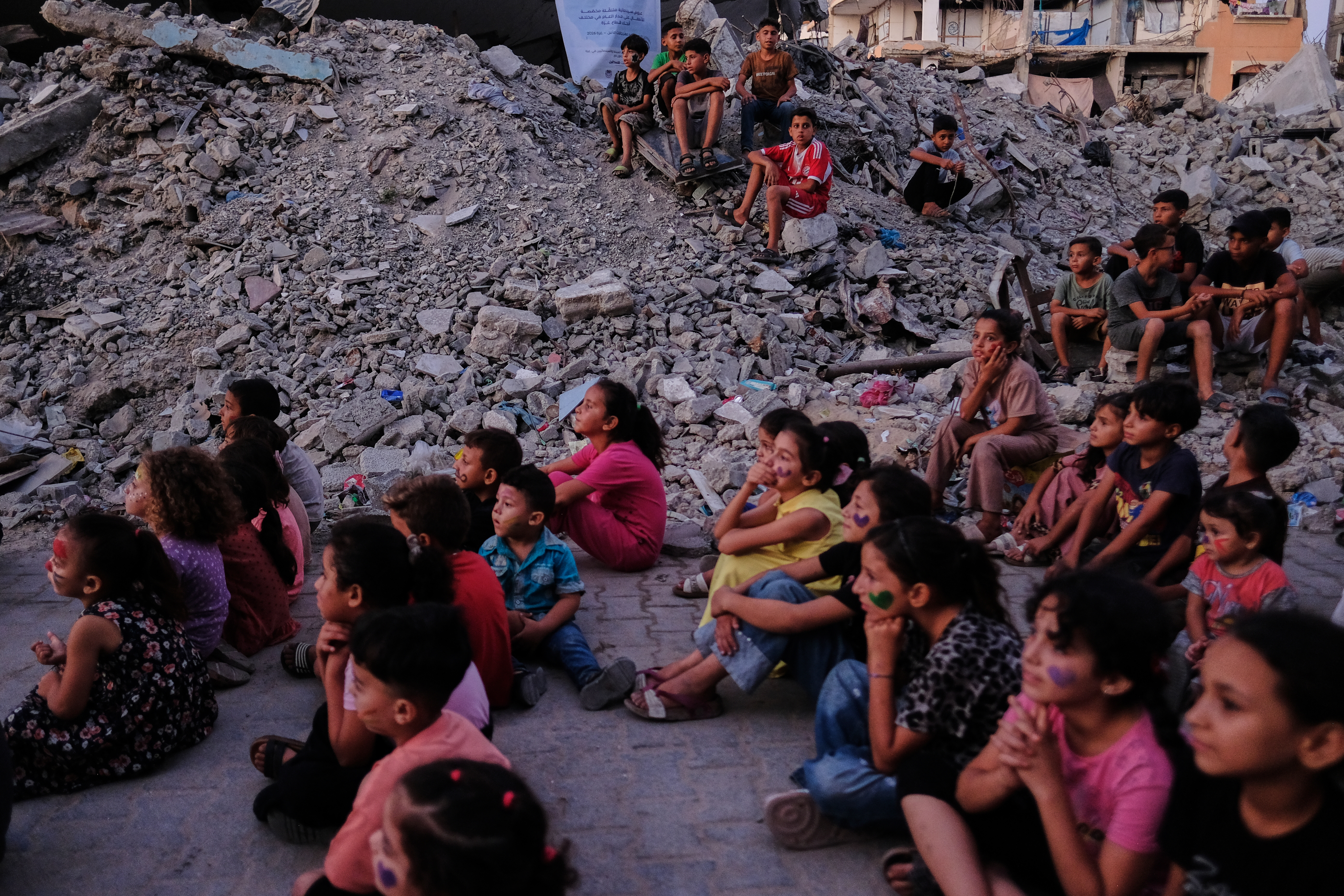
The killing of Saddam Hussein made Iran stronger than ever before, making the entire region a breeding ground for groups like ISIS.
The justifications people had during the 20th-century world wars and the justifications people present now, whether they are really just or not, are a matter of debate, but the only difference one can make is that certain behaviours have been normalised to an extent that abnormal behaviour is no longer seen as abnormal.
Those who oppose military support to Ukraine believe they are on the right side of history against those who unequivocally support military aid to Ukraine.
There are divided opinions about warring nations, the Ukraine-Russia war or the war in West Asia; some believe staying neutral is fine, some present silence as being a part of a crime, and some take sides, and each one of them has a story to tell to prove that they are just.
Dovetailing these with an era when Hitler was regarded with disdain for what he did, there was at least a broad consensus. Now those fault lines are blurred, rather diminished, and East Germany's result is a classic example.
Alternative for Germany (AfD), the far-right party, now aims to come to power after its first victory in Saxony-Anhalt, defeating the centre-right party which ruled the state since 2002.
AfD is a party that state intelligence had labelled as an extremist group, resulting in litigation. While the court had suspended the labelling as an extremist organisation, state intelligence had found the party showed strong resentment towards particular communities, similar to the resentment the Nazis showed towards Jews.
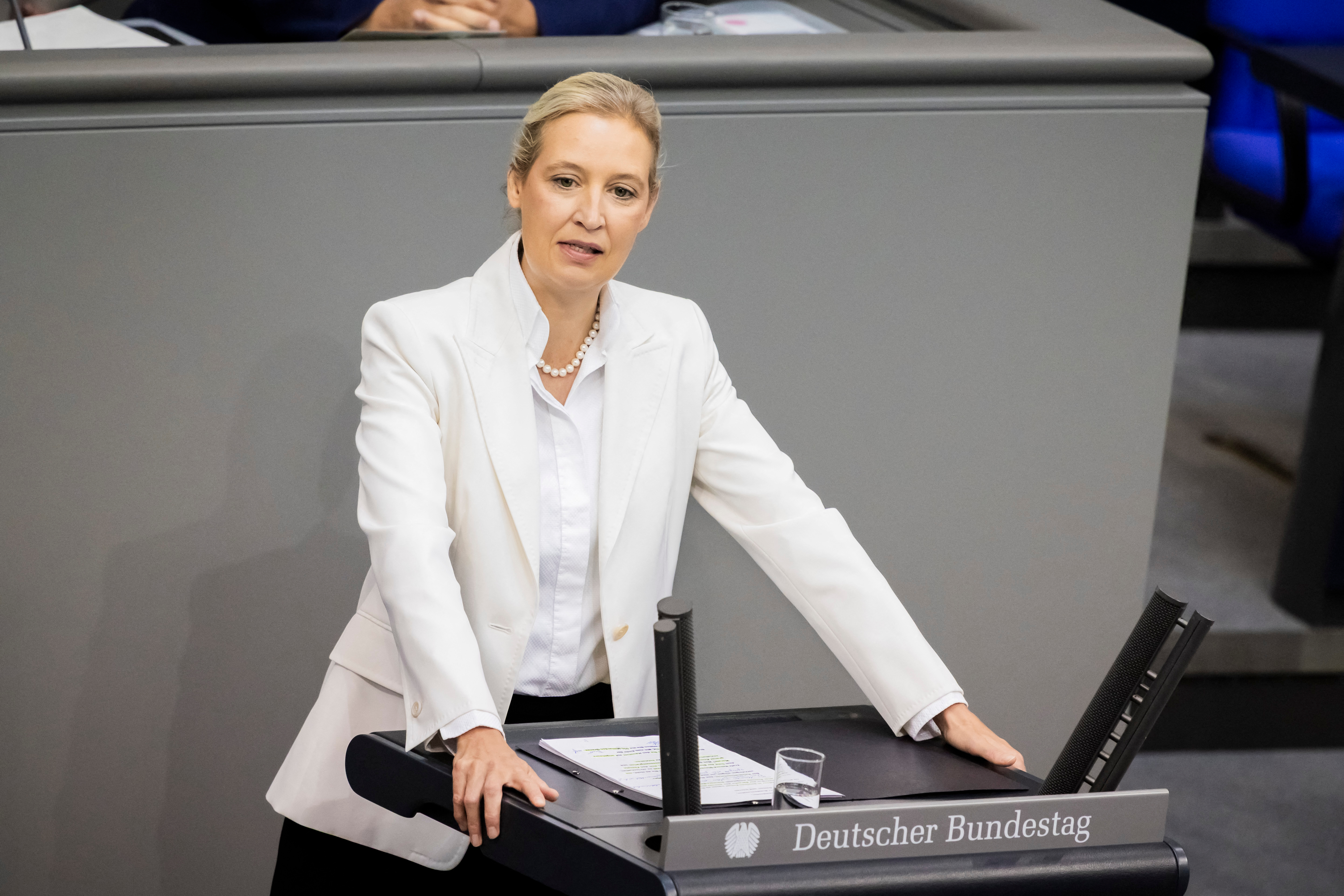
Protests have broken out in over a dozen cities, including in Germany, demanding the party be banned, as the AfD, running short of three seats, is negotiating with other parties to ally and form a government in Saxony-Anhalt. Supporters of the AfD have also held counter-protests in different cities.
If they succeed, they will form a state government for the first time since the Second World War. The new order in Europe is somehow taking a similar shape to that of the 20th century; only some players have changed sides. Stateless Jews who were running for their lives while Nazis were hunting them down are now hunting Gazans down, now that they have a state.
They chose to become persecutors after they experienced extreme persecution at the hands of the Nazis. The changing dynamics mirror Frantz Fanon’s book, 'The Wretched of the Earth', highlighting the desire that the oppressed want to become the persecutor.
Today antisemitism merges with anti-Zionism, as many Jews from across the world are largely seen as supporters of what is happening in Gaza. Hostility surrounding the Israeli state has evolved gradually; memories of the Holocaust take a backseat and gradually lose their relevance. Today, much of the friction centres on Israel’s actions as a nation-state, in contrast to the era when jews were running for safety as homeless people.
Now, while having a state, security, and a homeland, still stepping into the shoes of a persecutor after experiencing such a massive deprivation and onslaught is looked at critically by many member states of the United Nations. Israel is not an isolated case; extremism is prevailing as an accepted reality.
Openly supporting extremist groups or vouching for far-right groups is no longer a taboo. People openly support radical groups. Traditional fault lines have diminished, and ambiguity around alignments has largely faded. Right-wing groups like AfD are thriving on their narratives, be it anti-immigrant, anti-minority or anti-Ukraine.
Very soon this narrative will become the state language in Germany. Similarly, France’s far-right Marine Le Pen thrives on authoritarian rhetoric. After decades of failures, corruption and unfulfilled promises, liberals are losing ground to the extreme far-right, as people have no choice left.
The far-right has become the only choice, as they are looked on as lesser evils. Things have gone a little too far, even for some on the far-right, like Giorgia Meloni of Italy, who faces challenges from more radical right-wing politicians, who not only challenge her politically but also question her conservative credentials.
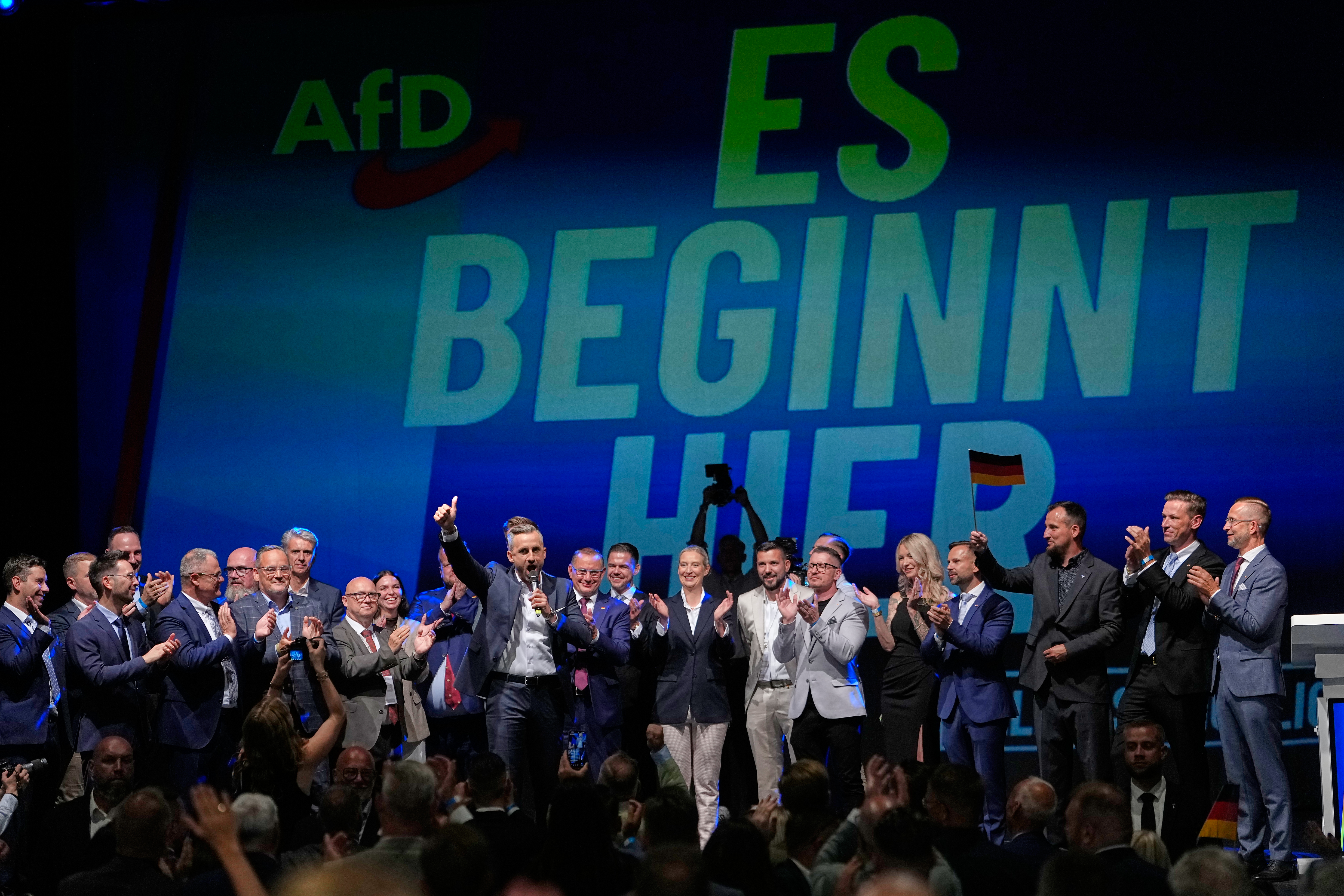
Extreme opinions are no longer taboo; even bragging about them publicly has become a norm. Every part of the world faces this menace, and the Indian subcontinent is no exception. There is hope that Generation Next may look upon all this with disdain again and make the world livable again so people get some respite from all of this.
Hope comes from Gen Next, as they draw inspiration from people like the twenty-five per cent students of Oxford and Cambridge from 1914, who sacrificed their lives to bring peace to the world.
Read More
The Rise Of Far Right AfD in Germany Should Not Come As A Surprise
