Drug Overdose Is The Health Crisis India Still Isn’t Counting In Real Time
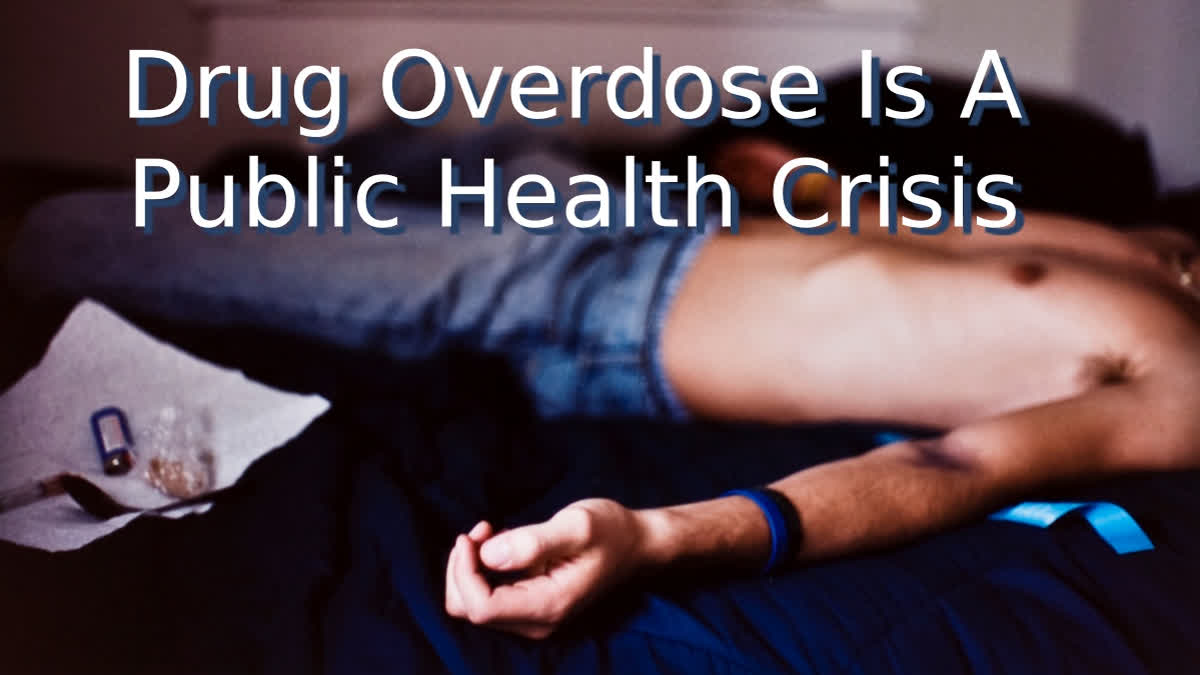
According to official data, India recorded 978 drug overdose deaths in the year 2024, up from 650 in 2023, writes MD Dr. Arjun Alva.

Published : September 27, 2026 at 11:41 AM IST

The latest available official data on the drug overdose phenomenon paints a troubling picture for India, even as it exposes a serious gap: there is no real-time overdose tracking system yet. This means that the data available has only recent verified numbers rather than a live count.
What Is A Drug Overdose?
‘Overdose’ is a broad term that encompasses an excess amount of all of the following: prescription painkillers, sedatives, cough syrups, and everyday medicines, apart from illegal substances, taken in excess, whether by accident, misuse, or a slow slide into dependency. In India, this broader picture is becoming harder to ignore.
What The Numbers Show
According to the National Crime Records Bureau reports (NCRB), the Accidental Deaths and Suicides in India report released in May 2026 recorded 978 drug overdose deaths in the year 2024, up from 650 in 2023. There is no official day-by-day count for this year still, since India’s fatality data typically takes over a year to compile and verify, though clinicians on the ground describe a steady, ongoing rise rather than a one-off spike.
Who Is Most Affected?
Age data paints two overlapping pictures. A 2025 AIIMS survey of nearly 6,000 students across ten Indian cities found substance and narcotics use beginning as early as age 11 or 12 with opioids, mostly non-prescribed pills and inhalants, among the most commonly reported substances. Among people who inject drugs (including prescription opioids), researchers have found the riskiest behaviour clusters around the 18 to 24 age group, while global health data places the peak burden of drug use disorders between ages 25 and 29.
Separately, hospital studies on medicine-related poisoning in India have found a notable share of cases that involve young adults, often women, using easily available drugs like paracetamol and benzodiazepines.
The Long Road After
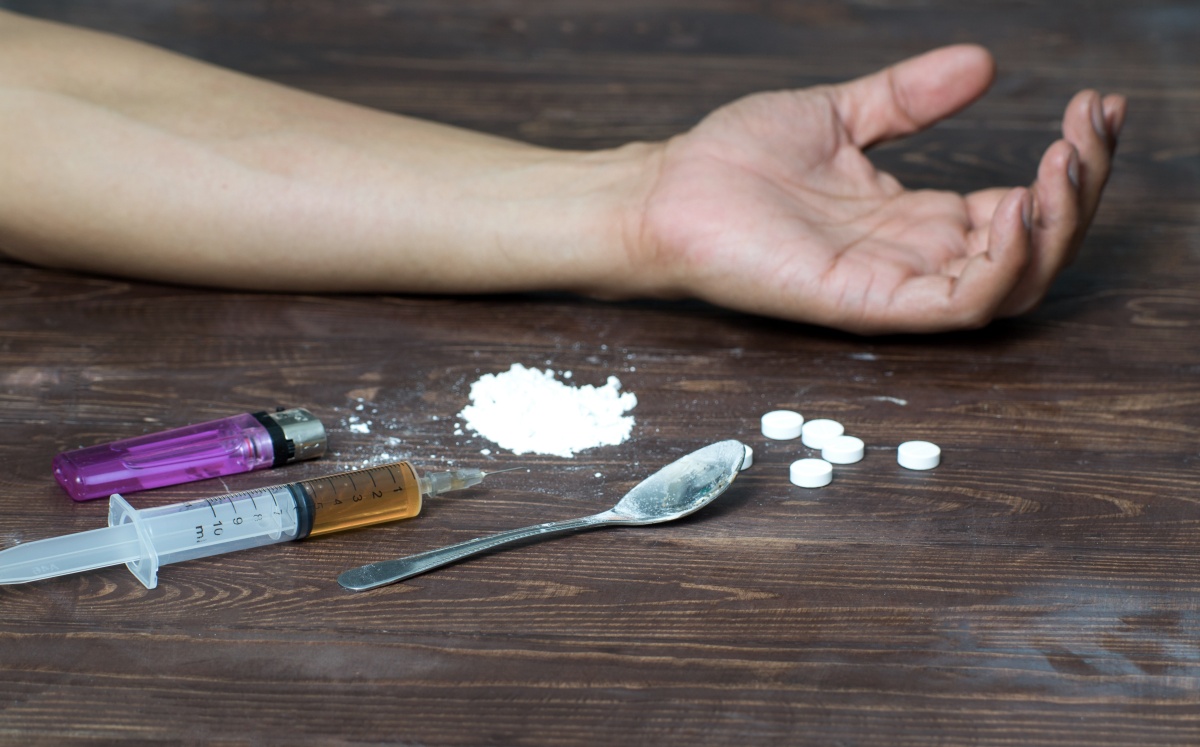
Doctors rarely describe overdose as a single, isolated event. Repeated non-fatal overdoses can cause lasting liver, kidney, and cardiovascular damage, along with hypoxic brain injury when breathing is interrupted even briefly. Among people who inject drugs, the risk compounds further through HIV and hepatitis C. But the long-term concern, the one most people now recognise instantly, is addiction itself. What often starts as a one-time misuse of a painkiller, a sleeping pill, or a recreational substance can, without awareness and support, transform into dependency that reshapes a person’s health, relationships, and daily life for years.
Where Does India Stand Globally?
The United Nations Office on Drugs and Crime’s (UNODC) World Drug Report 2026 estimated that 331 million people used drugs worldwide in 2024 – that is 6.2% of the global population aged 15 to 64 – up from 5.2% a decade earlier. South Asia, including India, falls within a region flagged for elevated opioid use, shaped partly by its position between major global trafficking routes.
India is not among the highest per capita drug-use countries globally, but the combination of rising synthetic and pharmaceutical misuse, alongside an already vulnerable population of people who inject drugs, places it in a position that deserves sustained attention rather than alarm.
How an Overdose Affects the Body and Nervous System
Substance abuse is not just bad for your health; the results can be dangerous, sometimes with fatal consequences that happen within minutes. Nearly all substances linked to overdose – whether it’s an opioid (prescription or illegal), a sedative, inhalant, alcohol, or a stimulant – act on the central nervous system, which is responsible for regulating breathing, heart rate, and consciousness.
Depressants such as opioids (such as morphine prescribed for medical reasons), and sedatives slow the brain down. Taken in excess, they interfere with the body’s natural breathing rhythms. Breathing gets shallower, then slower, and in the worst cases, it stops completely as it cuts off oxygen to the brain and other vital organs. This is part of why overdoses involving opioids or sedatives are often fatal: there may be no visible struggle. The breathing simply stops. Stimulants cause the opposite problem. Instead of slowing the body down, they push it into overdrive. Heart rate shoots up, blood pressure spikes, and in severe cases, they can trigger seizures or an uncontrollable rise in body temperature.
Whether the substance sedates or overstimulates, the outcome is the same in principle: the body loses its internal balance, and every major organ comes under strain. Left untreated, this can lead to permanent brain damage from lack of oxygen, organ failure, or death.
Newer Drugs and the Party Scene
Typically the words ‘drug use’ and ‘overdose’ bring up images of raves and parties frequented by the upwardly mobile urban population. Doctors are seeing many cases of drug abuse involving illegal substances such as synthetic and designer drugs, often sold as capsules, gummies, or flavoured substances at such parties that look harmless but carry serious risk.
Users often have no real idea what they’re consuming, which makes reactions far less predictable than overdosing on medically prescribed drugs. This makes synthetic drugs far more dangerous.
What Are Symptoms Of Overdose?
Overdose symptoms that doctors warn against include:
- A racing heartbeat, elevated body temperature, confusion or disorientation, hallucinations, extreme agitation
- In some cases, they have seizures
- Some substances cause the opposite effect, sedation so heavy that a person becomes unresponsive, their breathing dangerously slow.
If you or someone around you show any of these warning signs, this is a medical emergency. Call for help and seek immediate medical attention.
Public health experts are consistent about one point: most overdose deaths, whether due to street drugs or from medicine cabinets, are preventable with awareness. That means recognising warning signs in friends and family, storing medicines responsibly at home, understanding that opioid dependency can start with something as ordinary as a prescribed painkiller or a cough syrup. Asking for help in the face of addiction is a sign of strength, not shame. Let’s start by staying informed, watchful, and treat addiction to drugs, prescribed or otherwise, as a conversation on health rather than a problem to be brushed under the carpet.
(The author Dr. Arjun Alva is Senior Consultant, Director - Adult Intensive Care and Emergency Medicine, Adult Critical Care Medicine at Narayana Health. The facts and opinions expressed here do not reflect the views of ETV Bharat.)
References:
- https://pubmed.ncbi.nlm.nih.gov/41645979/
- https://data.opencity.in/dataset/70aabcb9-d126-492b-8a84-316f87f31598/resource/5c4317ef-58a4-4c43-85fc-5579eca0fa75/download/1adsipublication-2024.pdf
Also read:
- 66 Drug Overdose Deaths In Himachal Over Three Years; Experts And Leaders Call For Strict Action
- Overdose Awareness Day 2026: What Most People Get Wrong About Medicinal Misuse, Dependence And Accidental Poisoning
- Drugs Control Body Cautions Against Indiscriminate Use Of Painkillers, Antibiotics Amid Kidney-Risk Concerns
- India And US Strengthen Cooperation To Curb Precursor Chemicals Fueling Synthetic Drug Trade