Mithai Math: Are Jaggery, Dates and “Sugar-Free” Sweets Really Safer For Diabetics?
Jaggery is less refined than white sugar but is still mostly sugar and raises blood glucose, writes Jaishree SS

Published : November 2, 2026 at 10:32 AM IST

A gentleman came to our centre for a follow-up not long ago, carrying a box of sweets. He was almost proud of it. They were sugar-free, he told me, so he had been eating three to four a day. “No problem, madam,” he said. We read the label together, right there at my desk. The carbohydrate content per piece was higher than he had expected, and the serving size on the box was far smaller than what he had been eating. He laughed and said, “so the box was talking, not the sweet”.
I think about that line every festival season. Whether it's jaggery, dates, sugar-free sweets, the front of the box does the selling, and the back tells the truth.
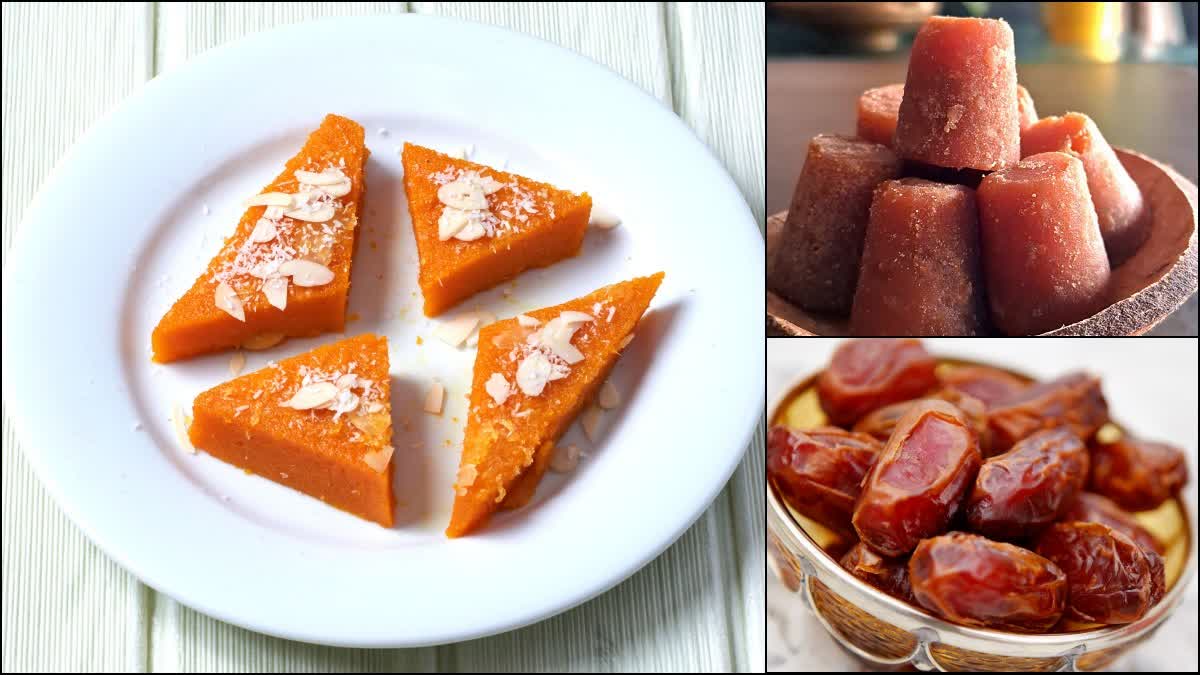
Jaggery Is Still Sugar
Jaggery is less refined than white sugar and does carry a few minerals, that is a real difference, which is why so many families swear by it but it does not make jaggery diabetes-friendly. It is still mostly sugar and raises blood glucose. The body does not treat it kindly because it is traditional.
What About Honey?
Honey gets the same kindness from Indian families that jaggery does. “It’s natural, so I put honey in my tea instead of sugar.” Honey does have a slightly lower glycaemic index than table sugar, and it brings a little flavour and a few antioxidants. But a single tablespoon still carries roughly 17 grams of carbohydrates, and it raises blood glucose much like any other sugar. Switching from sugar to honey is a change of name, not a change of effect.
Dates Are More Interesting
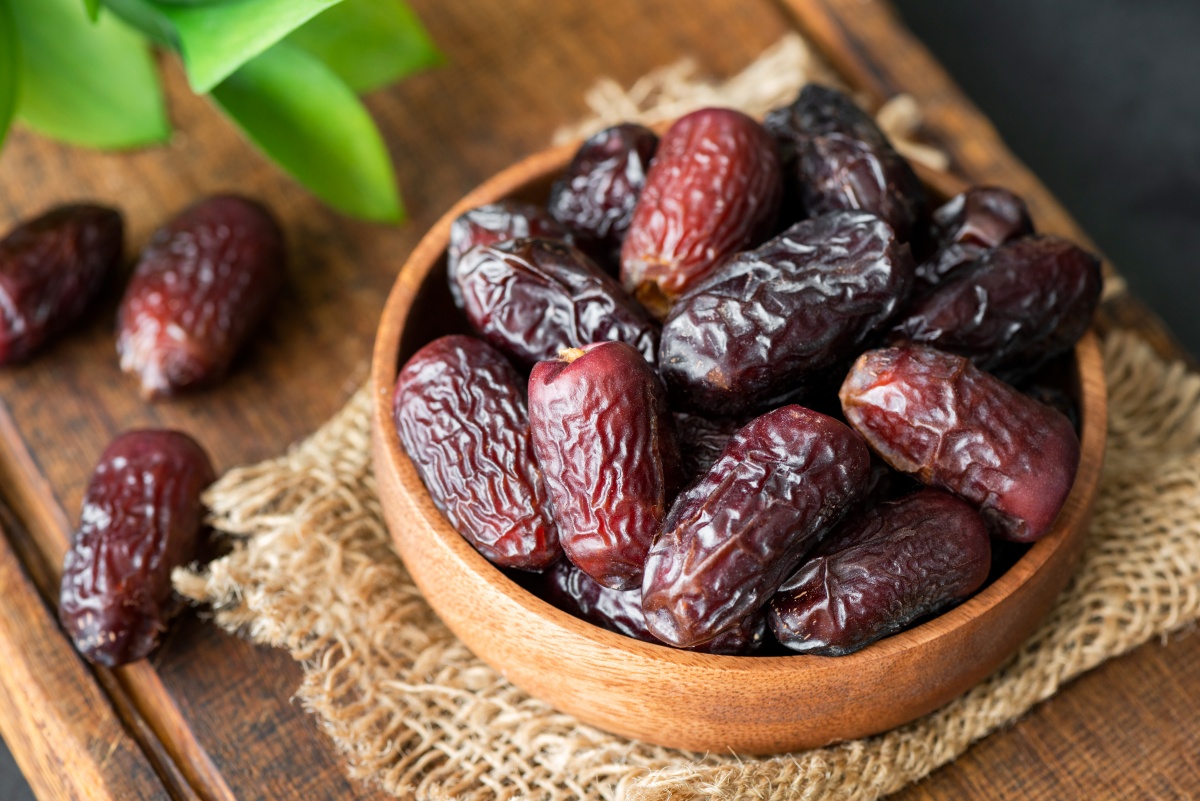
Dates are a slightly different story. They carry fibre, antioxidants and some micronutrients, which white sugar never will. They are more nutritious than white sugar but they are also packed with concentrated sources of natural sugar and when used generously in laddoos or barfis, the carbohydrate adds up quickly. A date-and-nut laddoo may look wiser than a conventional sweet, yet its carbohydrates still count. Nuts and fibre help, but they do not cancel out the sugar from dates.
Where “Sugar-free” Gets Confusing
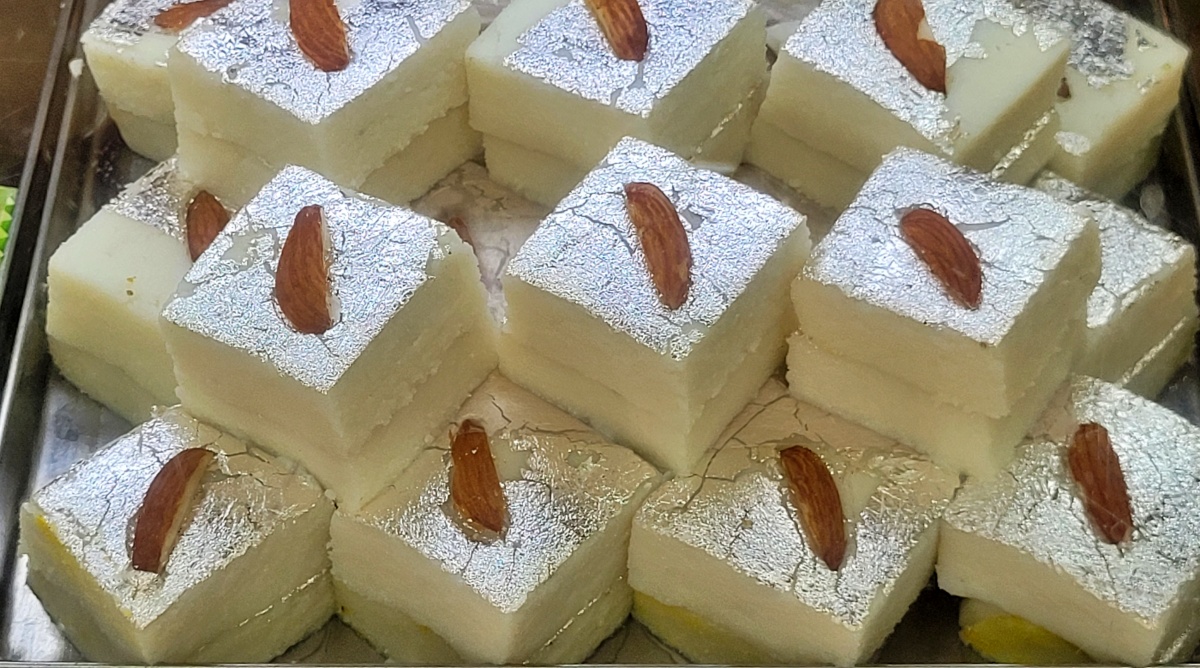
This is where I see the most confusion. Sweet makers usually swap sugar for stevia, sucralose or a sugar alcohol like maltitol. That cuts the added sugar, but ‘sugar-free’ does not mean low in carbs or calories. Take a sugar-free kaju katli. The sugar may be gone, but cashews still provide carbohydrates and their fat makes the sweet calorie-dense. Sugar-free milk-based sweets work the same way, since milk solids add carbohydrates too. Maltitol itself can still push blood glucose up in some people, and eating too much of it can leave bloated or with an upset stomach. That is why the nutrition label deserves more attention than the words “sugar-free” or “diabetic-friendly” on the box.
Also read: Go Easy On The Sweets: Sugar Amplifies Damage Done To Gut Health By Antibiotics
November is Diabetes Awareness Month. In India, a festival without mithai is hard to imagine. Boxes travel between families, guests are welcomed with plates of sweets, and traditional delicacies take centre stage. Living with diabetes does not mean giving up your traditions. It means paying a little more attention. The gentleman with the box still brings sweets to our centre. He just reads the back cover now.
You don't have to give up sweets altogether but understand where they fit in the meal plan. Portion size is the biggest part of that. One small piece of sweet is very different from several pieces throughout the day, especially when the table holds rice, biryani, puris and sweetened drinks. Diabetes patients often tell me that they were careful with the mithai, and their sugar still went up. The extra puri, the sweetened coffee and the biryani usually account for that. A small portion as part of a balanced meal is usually better than nibbling between meals. Since glucose responses differ, checking blood sugar after trying an unfamiliar sweet can be informative.
What I Tell Diabetes Patients
- I never tell anyone to skip the festival sweets. Pick the one you truly love. Eat a small piece after a proper meal rather than on empty stomach and eat it slowly.
- If you are trying something new, check blood sugar levels, everyone responds differently, and the blood sugar reading will tell more than the label.
- People on insulin or glucose-lowering medication should stick to the prescribed meal schedule. Do not adjust medication on your own to make room for festive eating.
- Ingredients are listed from the largest amount to the smallest. Look at the serving size, total carbohydrate per serving, the type of sweetener used and the ingredient list too.
- Consider “sugar-free” versus “no added sugar”. They are not the same. A sweet with no added sugar can still be sweetened with jaggery, dates, honey or fruit concentrate, and its carbohydrate count can be just as high.
- “Diabetic-friendly” on the front is marketing, not medical advice.
The author Jaishree SS is CDE Manager - Nutrition & Dietetics at Dr. Mohan’s Diabetes Specialities Centre in Chennai.
(The opinions expressed in this article are those of the writer. The facts and opinions expressed here do not reflect the views of ETV Bharat.)
Also read:
