Sankisa Rises As Buddhist Pilgrimage As Tourists Flock Here On Dhamma Chakra Pravartana Divasa
Among the Buddhist Ashta Mahasthanas, Sankisa in Farrukhabad district ranks high for being linked to the life of the Buddha, reports Alok Dubey.

Published : November 4, 2026 at 5:13 PM IST

Farrukhabad: Scattered across India are many places and sites revered by adherents of different religions; no wonder is the country considered as a sacred land. Uttar Pradesh alone is one of India's most significant spiritual and religious centres, housing major sacred sites for Hinduism, Buddhism, and Jainism.
Among the 'Ashta Mahasthanas' (eight major Buddhist pilgrimage sites) counted as sacred pilgrimages by Buddhists, Sankisa in Farrukhabad district ranks high for being linked to the life of the Buddha.
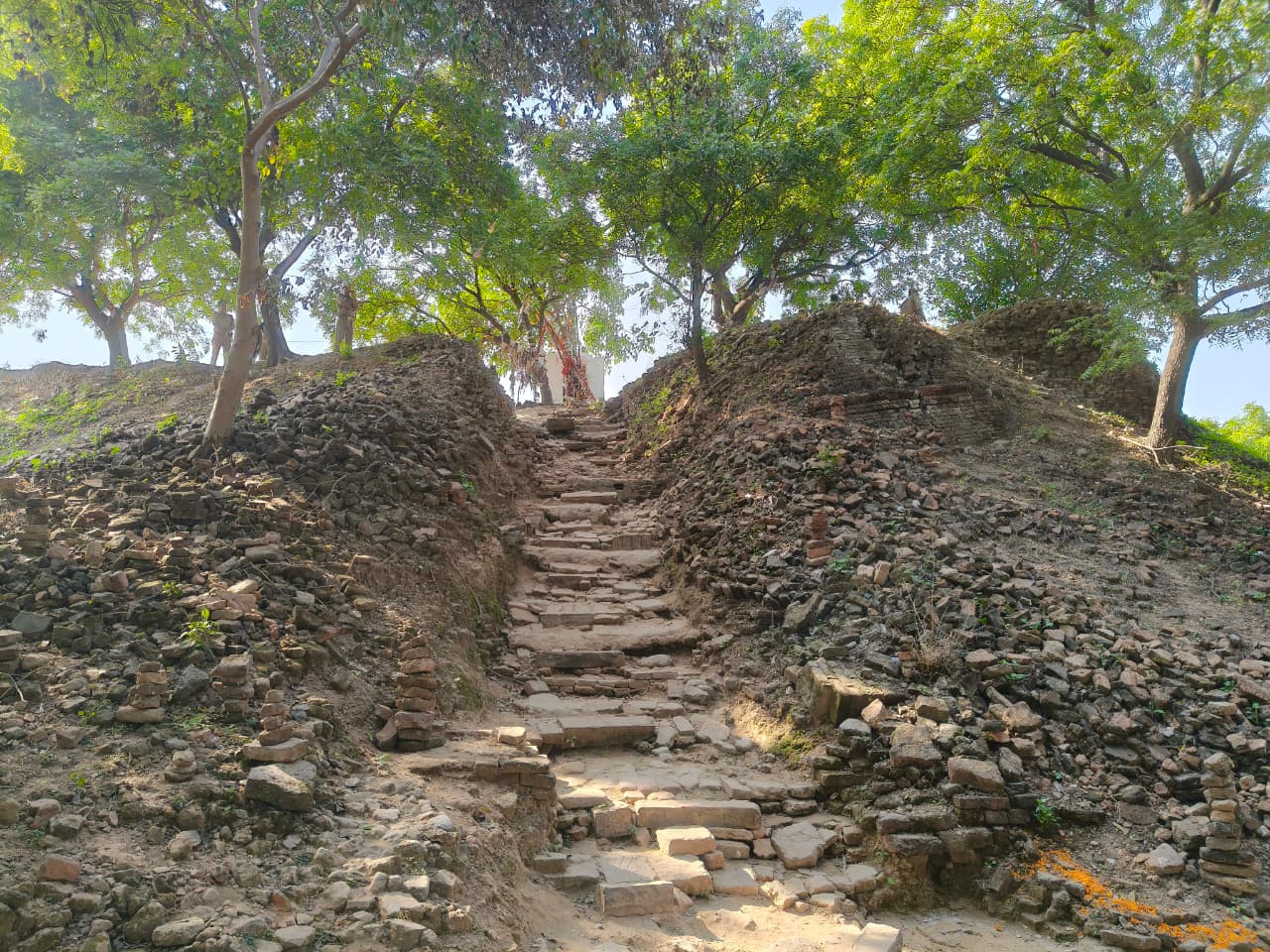
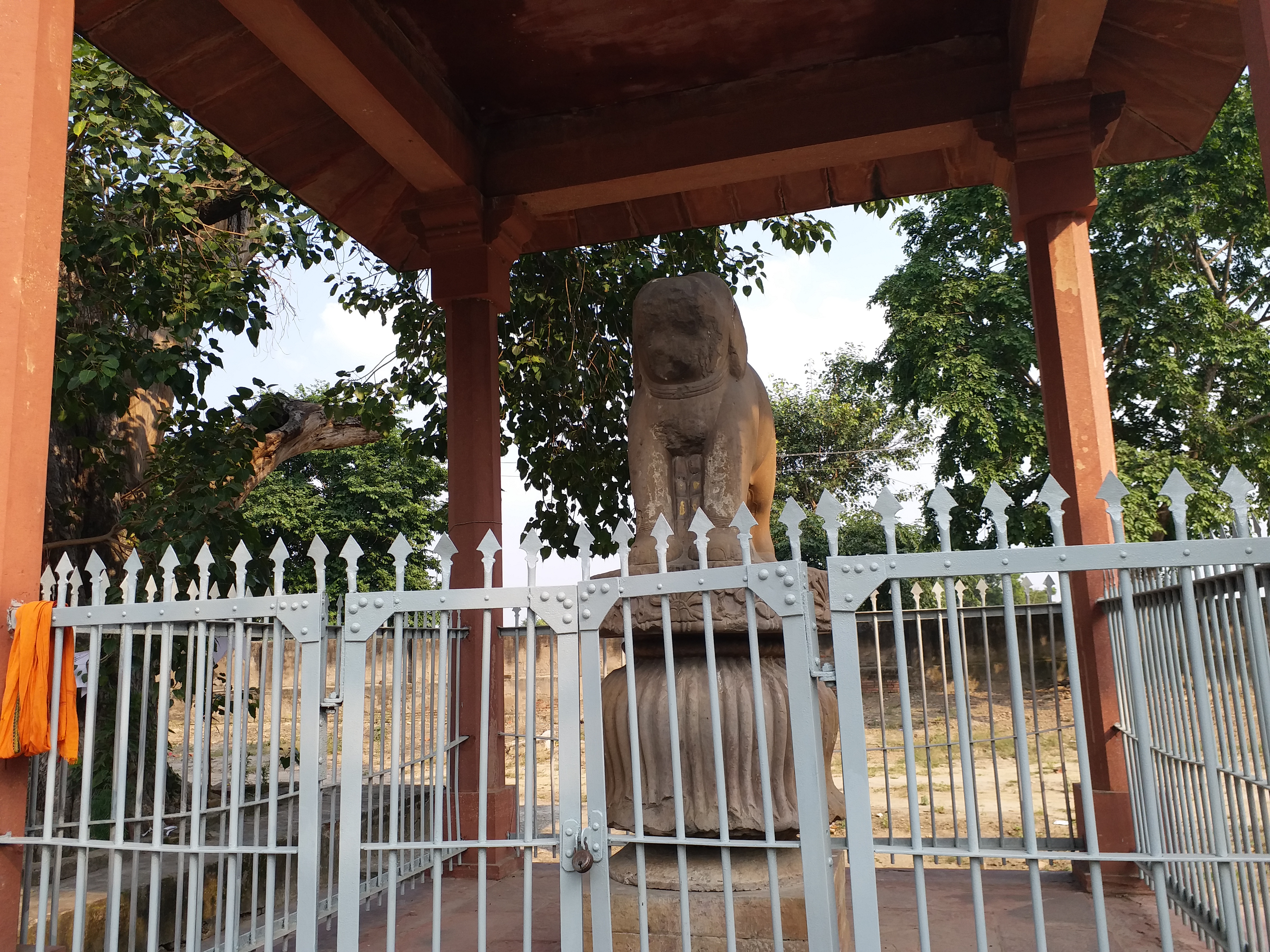
At Sankisa, the elevated mound, the Ashokan-era pillar topped with an elephant capital, and the scattered ruins in the vicinity are considered markers of this significance. Every year in October, large crowds gather from across the country and abroad, on the occasion of 'Dhamma Chakra Pravartana Divasa' (October 14).
Sankisa is not merely a geographical location; it is a rare and sacred confluence of Indian history, mythological traditions, and Buddhist culture. Located near the banks of the Kali River, to the west of the Farrukhabad district headquarters, Sankisa (ancient name: Sankashya Nagara or Sankatsa) holds centuries of history within its fold.
Mythological Significance In Buddhism
According to Buddhist texts and traditions, Sankisa is a transcendental site. It is the place where Gautama Buddha descended to Earth by way of a golden (or jewelled) staircase — from 'Trayastrimsha' (heaven of the 33 gods) — after preaching the Abhidhamma to his mother, Mahamaya.
This event is commemorated as the 'Devata Utarana Utsava' (the festival of the descent of the deity). Furthermore, the Bhavishya Purana and the Jataka tales mention that Maitreya Buddha — the Buddha of the future — will also be born here.
Ramayana Era & Ashokan Connections
The history of Sankisa is not limited to the Buddhist period alone; it also finds mention in the Treta Yuga (second of the four yugas) — the era of the Ramayana, when it was known as 'Sankashya Nagara'. King Janaka defeated the local ruler, Sudhanva, and entrusted the city to his younger brother, Kushadhvaja.
Following the Mahaparinirvana (final passing) of the Tathagata (Buddha), Mauryan Emperor Ashoka commissioned several grand structures here, recognising its historical and religious significance, including a massive stupa and one of his renowned pillars. The capital of this pillar — featuring an elephant — remains preserved here to this day, drawing historians from across the country and abroad.
History Of Revival
Due to the ravages of time, this ancient city fell into ruin, becoming a collection of mounds and debris known as 'Basantpur'. In the 19th century, eminent archaeologist Sir Alexander Cunningham rediscovered this historic site by studying the travel accounts of Chinese pilgrims Faxian and Xuanzang, revealing its glorious past to the world.
Today, Sankisa is no longer merely a village or town; it has emerged as a significant Buddhist pilgrimage site, recognised internationally. It is home to Buddhist monasteries and temples established by nations including Myanmar, Japan, Thailand, Sri Lanka, Cambodia, Bhutan, and China.
Visitors and pilgrims alike find a profound sense of spiritual peace amid the tranquil environment, the magnificent Buddhist monasteries, and the architecture of the ancient mounds.
What Foreign Pilgrims Say
Manorama, a visitor from Agra attending the Dhamma Chakra Pravartana Divas celebrations, said, "We have come here because of the compassion of Gautama Buddha. While there are some shortcomings in the facilities, this remains a sacred place. People are drawn here by their faith, including many visitors from abroad. Given this, the government should pay special attention to improving the amenities."
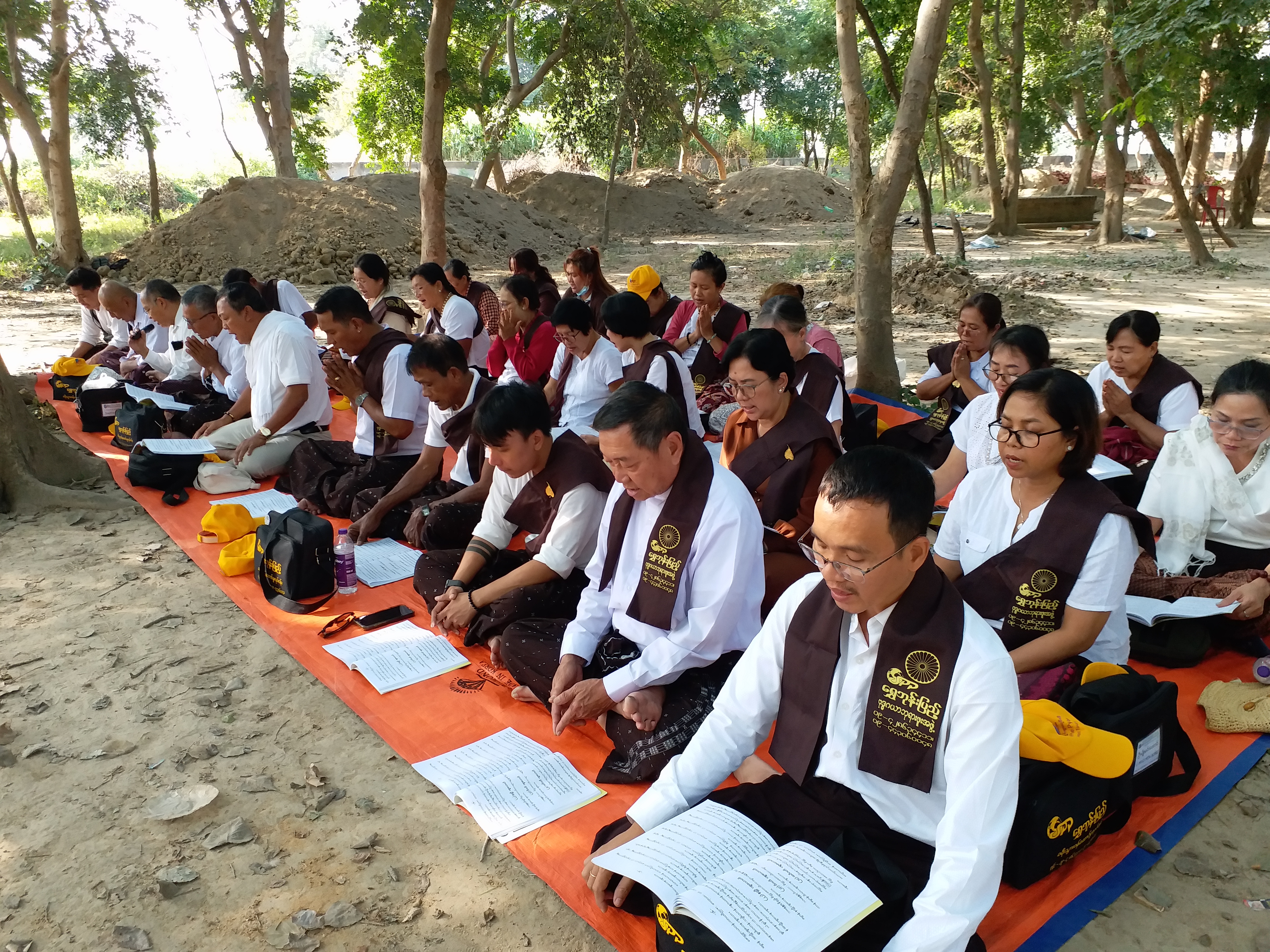
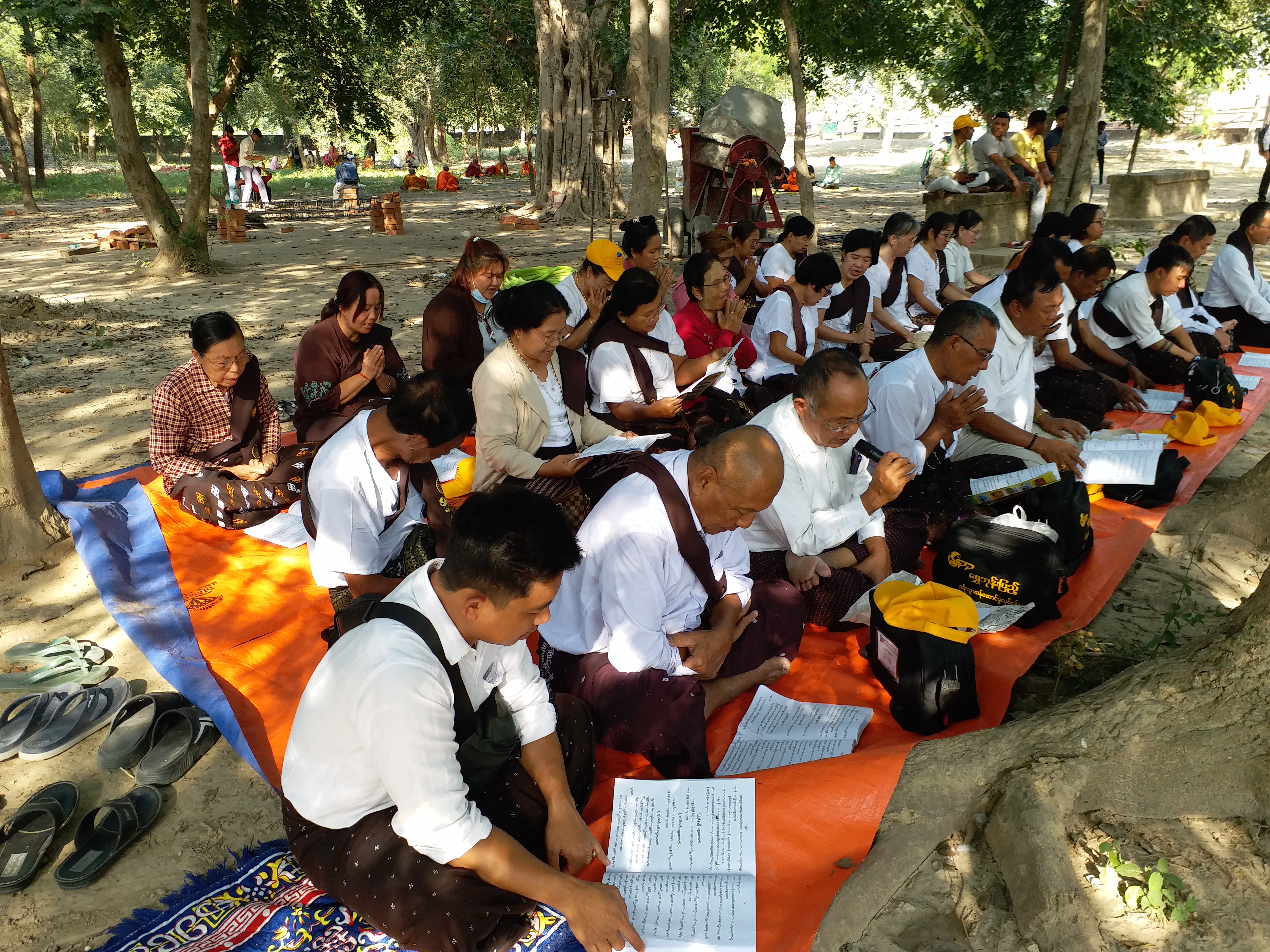
Su, a visitor from Myanmar along with her companion, shared, "We are having a wonderful experience here. This is our first visit to Sankisa. Seeing the elephant [capital] associated with King Ashoka has been an extraordinary experience. This is a historical site. While there are some shortcomings that need to be addressed, the overall arrangements are quite good."
The Sri Lankan temple in Sankisa was established in 1995. Bhante from Sri Lanka said living in Sankisa is a matter of pride for him. As a bhante (monk), he performs religious rituals here and educates people about the significance of Sankisa.
Throughout the year, the site sees a steady flow of tourists and followers. While the number of foreign tourists is lower during peak winter and summer, it increases between August and November. Facilities have improved compared to the past, and comprehensive information is available on the government’s website. Most services are provided free of charge.
Locals Happy With Development & Business
Local resident Shalini Shakya noted that significant changes have taken place over the last decade. Since Sankisa was designated as a Buddhist pilgrimage site, development has been ongoing — including the construction of temples, roads, and parks. Considerable attention is being given to infrastructure such as water supply, sanitation facilities, and roads.
Currently, the site receives 50-100 Indian tourists daily, along with 200-300 visitors from abroad.
Another local, Lalaram, said there has been a marked transformation. The construction of temples by international communities has brought new life to this pilgrimage site. Since the area was designated as a 'town area', Sankisa has seen consistent progress, which has also created more employment opportunities for locals.
Regarding the Ashokan pillar, which is assumed to have been established in the 3rd century BCE, local priest Ved Prakash said it is believed that a white elephant appeared in a vision when Buddha was in his mother’s womb — an account recorded in the Pali language and later translated by the Dalai Lama. On one side, an inscription mentions 'Priyadarshi' — another name for Emperor Ashoka — while the other side commemorates the birth of the Buddha.
Sharad Purnima Fair, A Tourist Magnet
District Tourism Information Officer M Maqbool said several initiatives have previously been undertaken by the Tourism Department in Sankisa. Land has also been acquired for further development of the pilgrimage site.
Efforts are being made to develop a land bank for tourism. A fund of around Rs 9 crore has been sanctioned, which is being used for the construction of temples by the Japanese, Sri Lankans, and Myanmarese, besides a Buddhist library.
SDM Sadar Sanjay Kumar said a grand and historic fair is organised annually in Sankisa on the occasion of Sharad Purnima. This year marks the 86th year the festival was organised, with the fair held over October 25-26. It is meant for both Hindus and Buddhists, with all arrangements managed under administrative supervision. Every year, around 10,000 foreign tourists visit, with the total footfall reaching around 100,000-150,000 people.
DM Ankur Lathar and SP Aarti Singh said comprehensive arrangements are made at the fairground to ensure convenience, safety, transportation, crowd management, and other essential needs of the devotees.
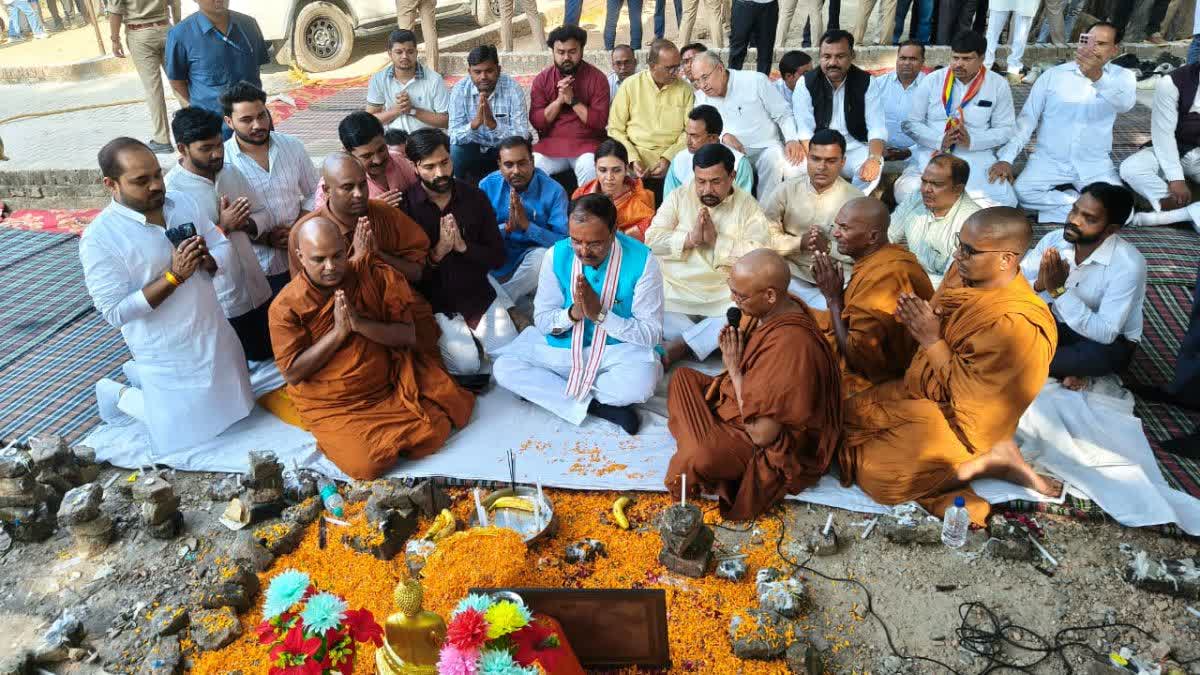
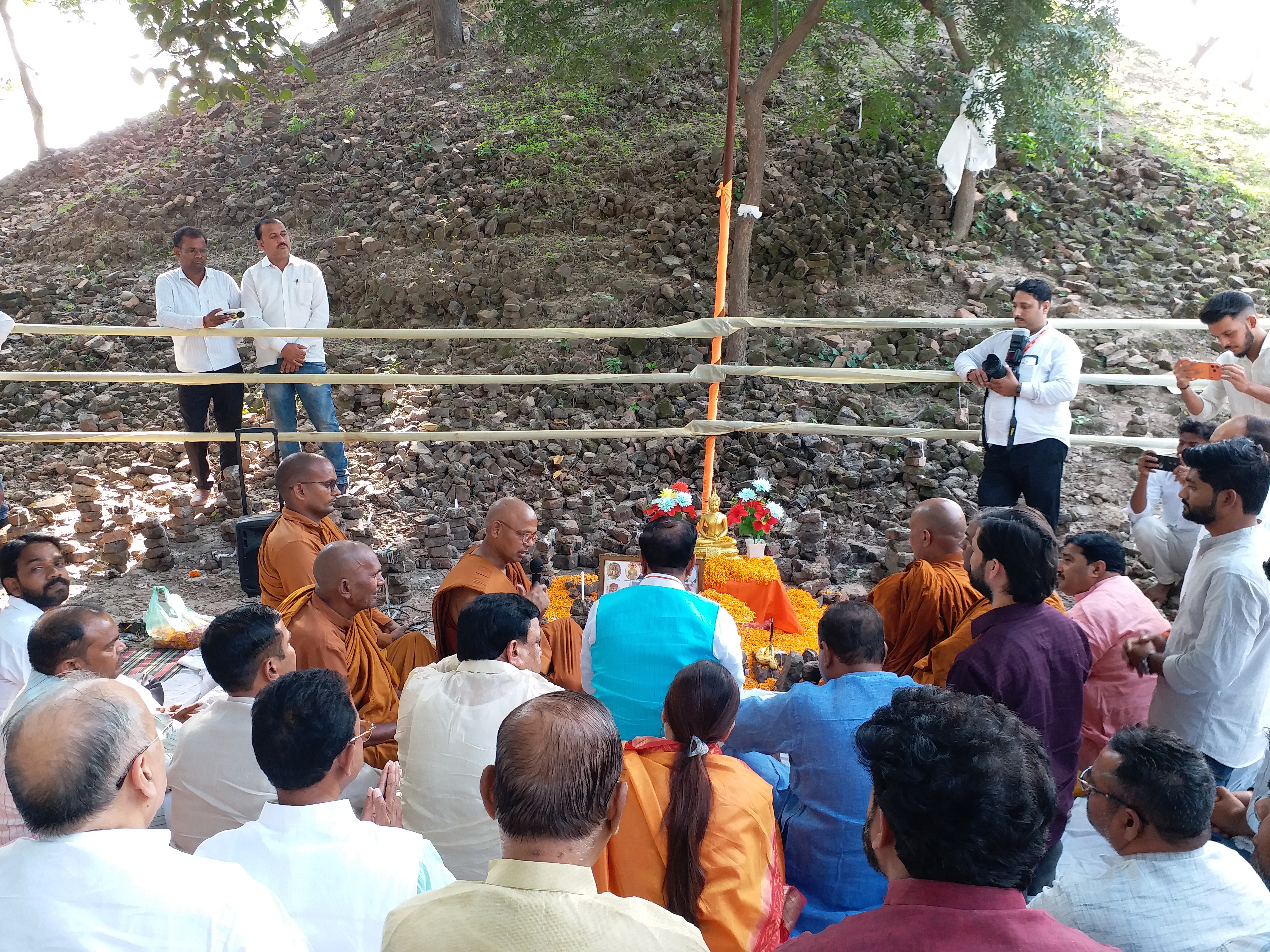
UP Deputy CM Keshav Prasad Maurya participated in festival on the occasion of Valmiki Jayanti, held at the premises of the Dhammaloko Buddhist Vihara in Sankisa, and offered prayers at the stupa. He described Sankisa as a sacred and historic Buddhist pilgrimage site, and highlighted the historical tradition of stupas built by Emperor Ashoka.
Also Read:
