‘They Are My Family’: At 70, Motihari’s Sahab Alam Has Laid Over 5,000 Unclaimed Bodies To Rest
Motihari’s Sahab Alam has buried unclaimed bodies with dignity, treating strangers as family and carrying forward a responsibility inherited from his ancestors, reports Rohit Raj.

Published : October 31, 2026 at 4:46 PM IST

Motihari: A human being, known by a name, a family or a profession, becomes a ‘body’ the moment they breathe their last. Imagine the plight of those who have nobody to call their own - sometimes, nobody even to identify them after death. Their bodies lie unclaimed, waiting for someone to take responsibility.
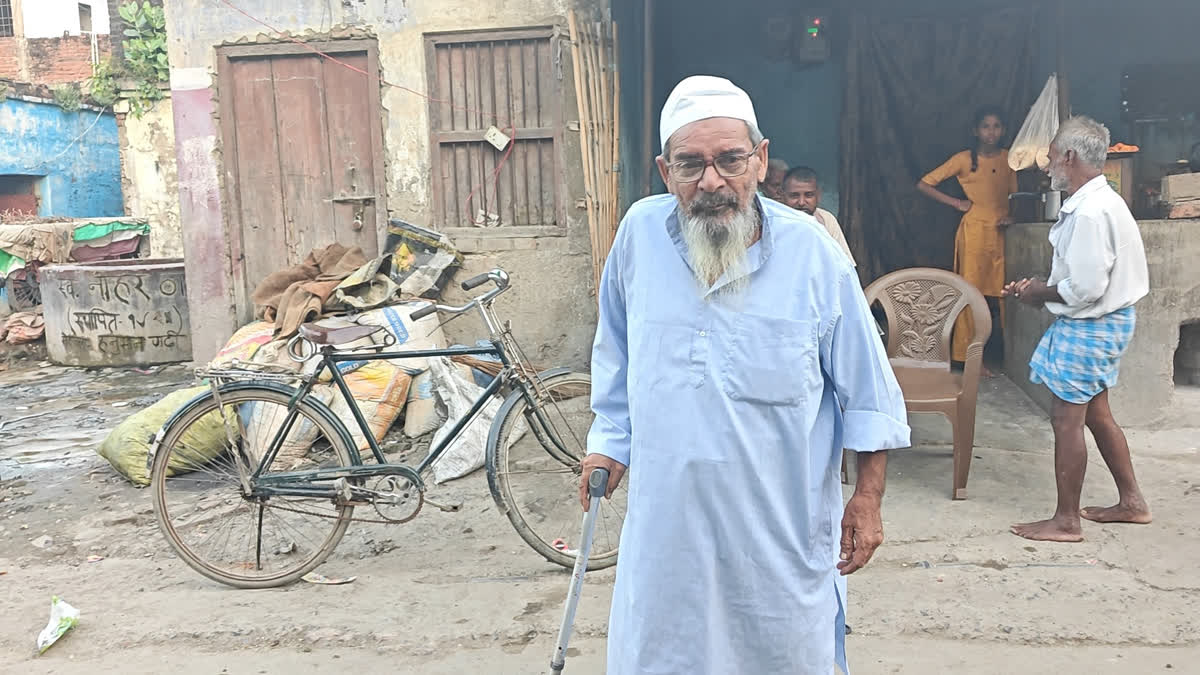
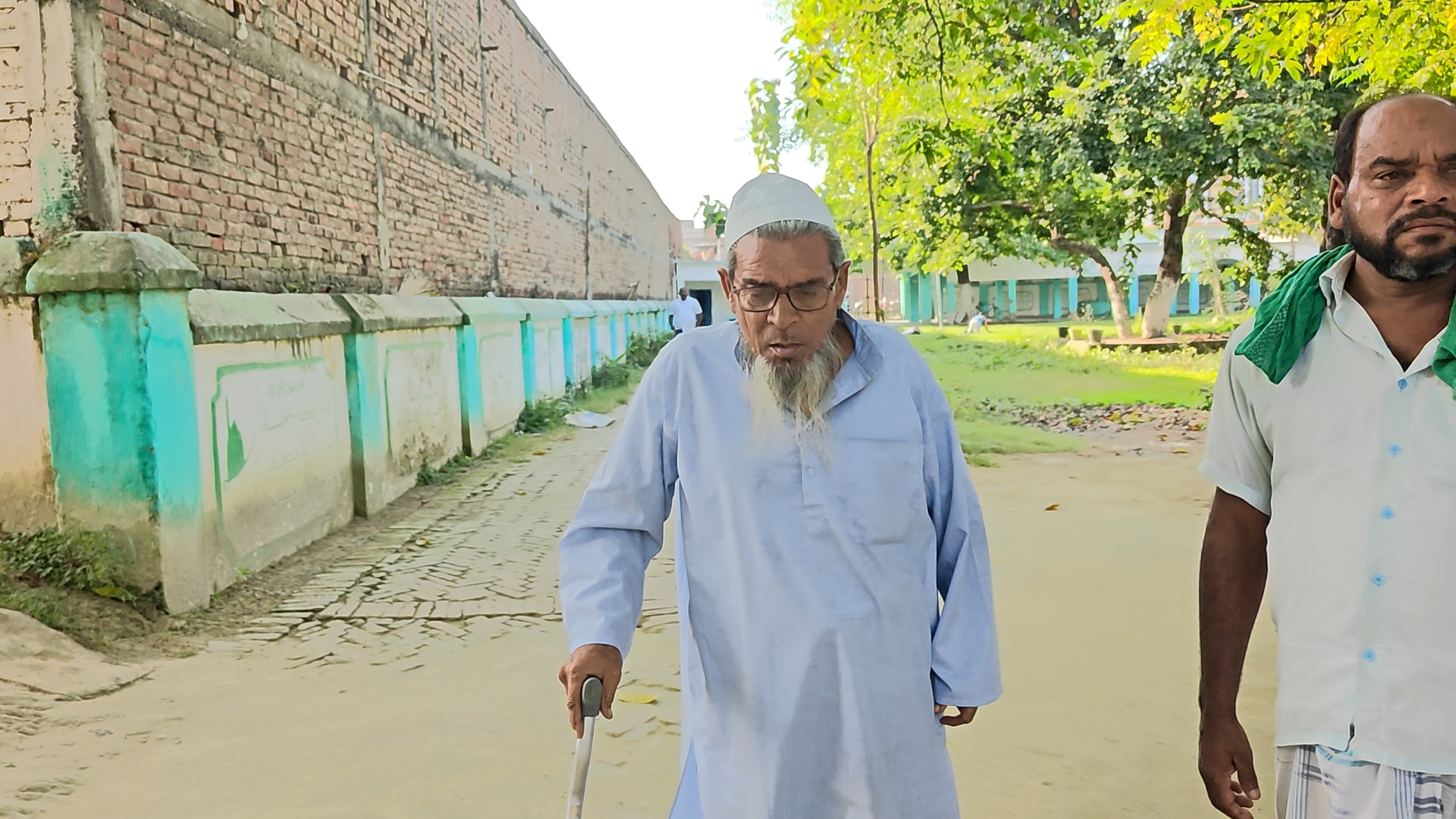
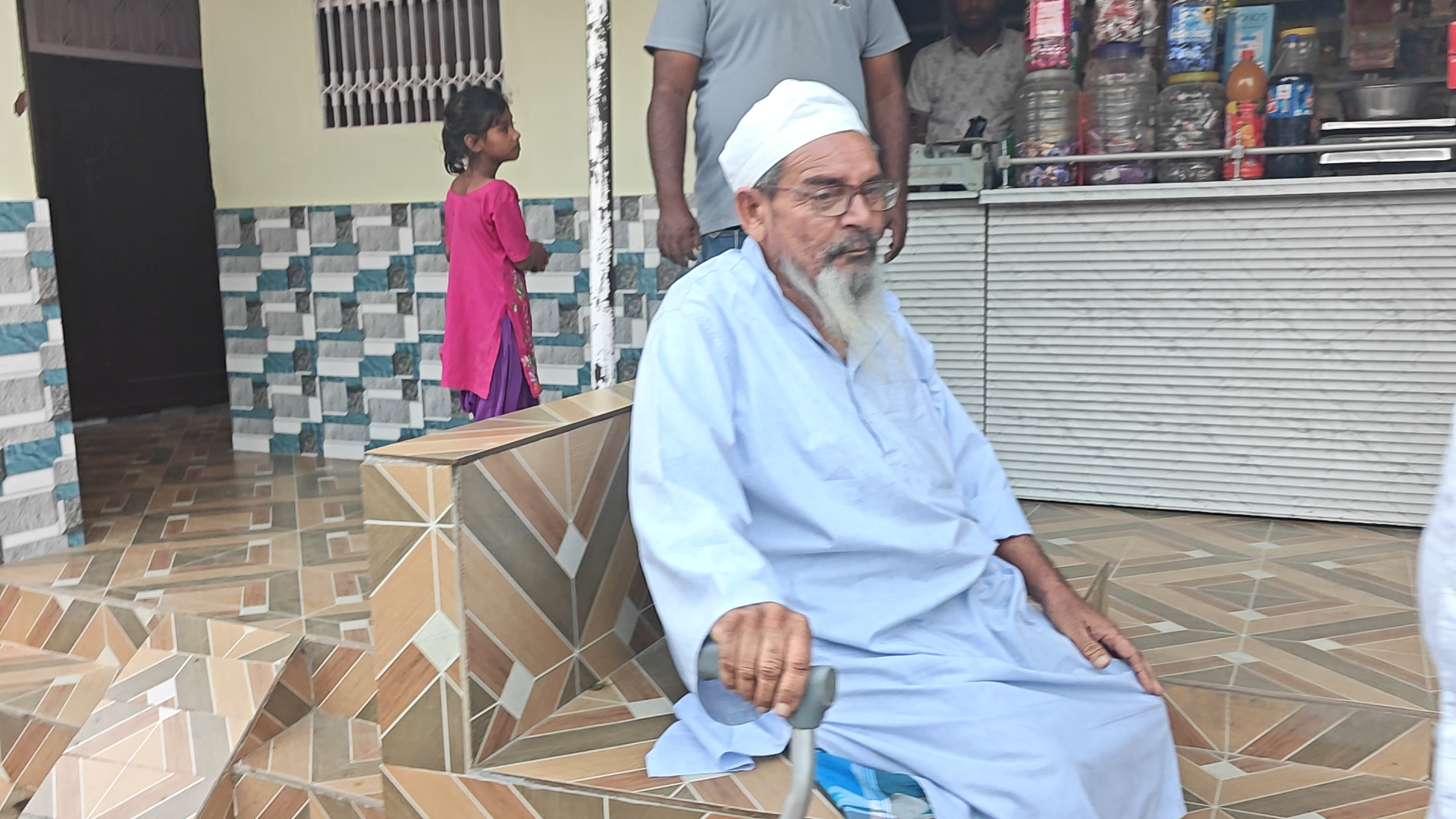
In Motihari, 70-year-old Anisur Rahman, fondly called Sahib Alam, accepts them as his own. He cares for their bodies, makes arrangements for their last rites and ensures they receive a respectful farewell. For over four decades, thousands of people have been laid to rest with dignity because Sahib Alam has been there for them. Because he thinks each of the unclaimed body as a brother, a father, a mother or a sister.
“To others, it is an unclaimed body. But for me, this person has someone to care for them. We lift the body as we would our own brother, someone like our father, our mother or our sister. We give them respect because we are human,” says Rahman, known locally as Sahab Alam.
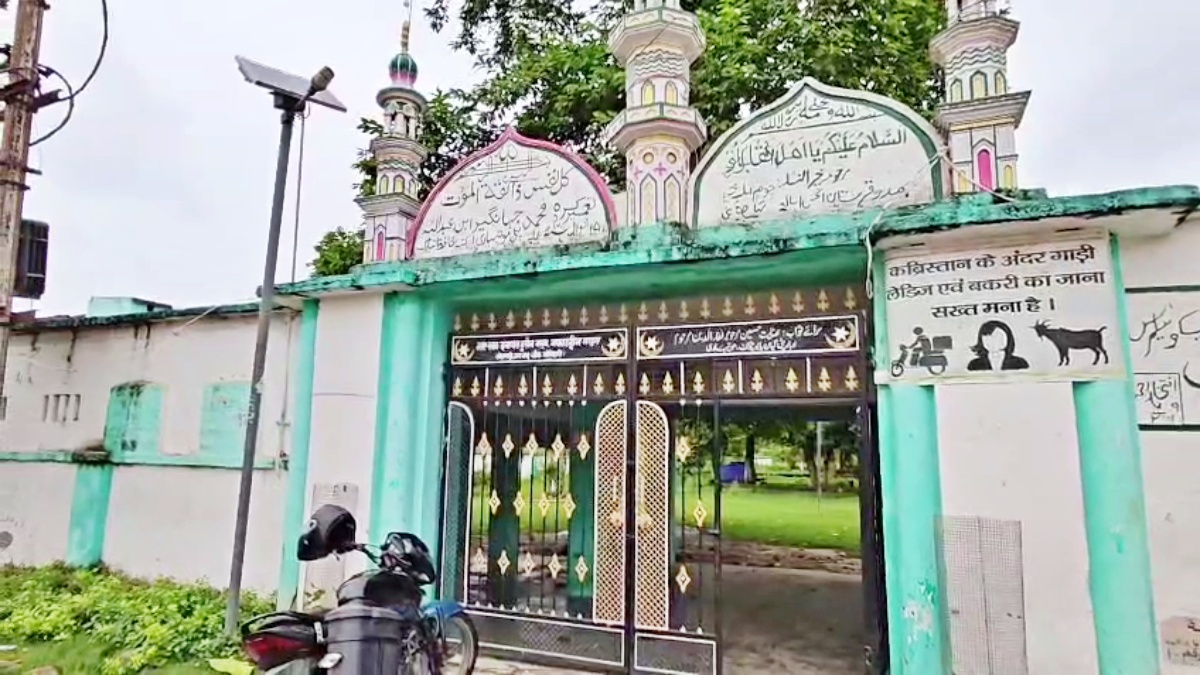
At the Sadar Qabristan Anjuman Islamia in Motihari’s Hanumangarhi, Sahab Alam has helped bury more than 5,000 unclaimed bodies over the past 40 years. He believes that each burial he conducts ensures that the absence of a grieving family does not deprive a person of a dignified farewell.
A responsibility handed down through generations
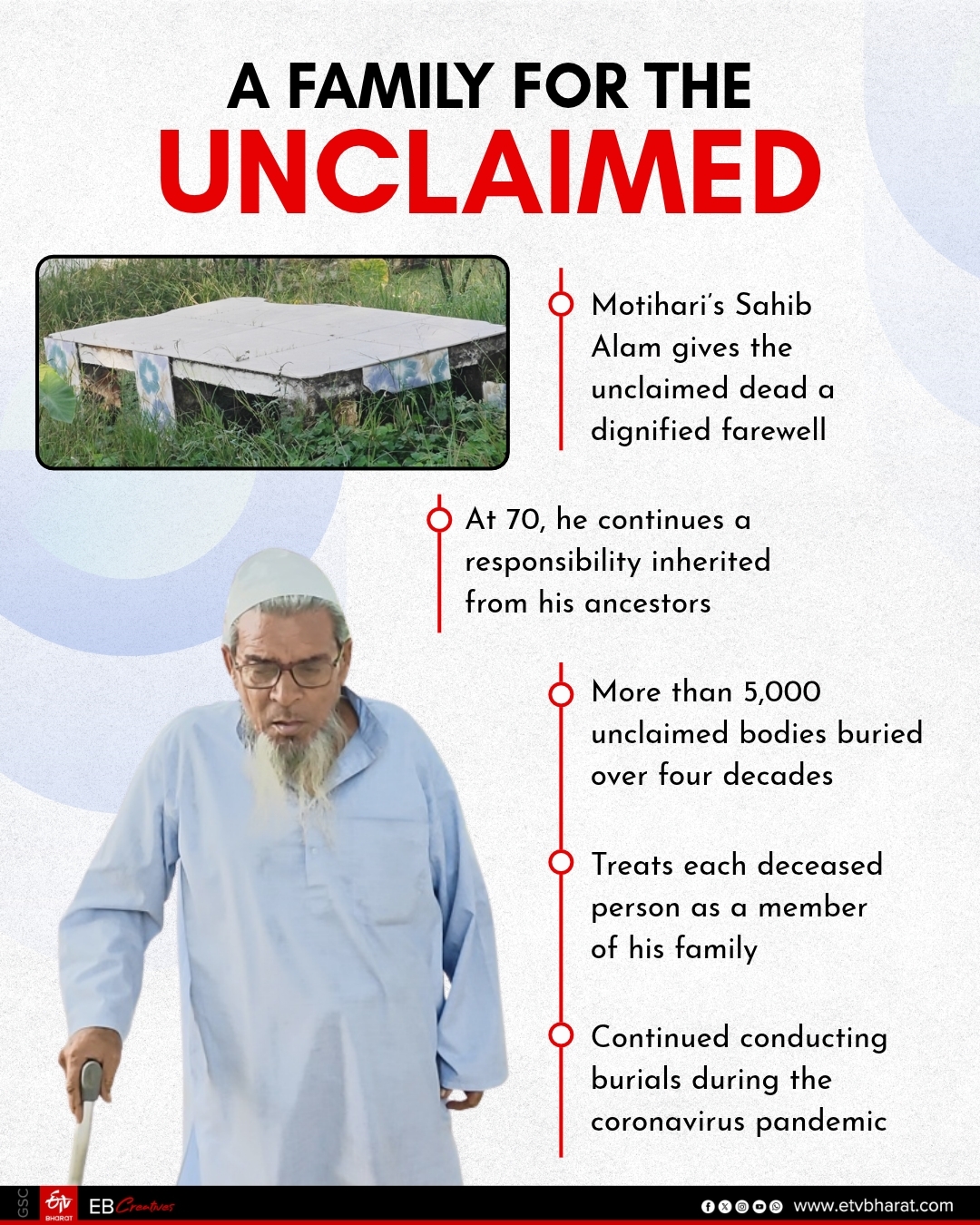
Sahab Alam inherited this work from his ancestors. Long before he took on the responsibility, members of his family were helping lay unclaimed bodies to rest at the cemetery. So he took to the work like a fish takes to water. And he has continued that service through much of his life, accepting the difficult circumstances in which the dead sometimes arrive - some far from home, others killed in accidents with their identities difficult to establish. There are people who die in hospitals with nobody coming forward to claim their bodies.
“We bring unclaimed bodies for burial as though they were our own. Every person should respect the unclaimed dead and treat them with dignity. We bathe them respectfully, offer the funeral prayer and bury them. I have grown old, but as long as I am alive, I will continue this service,” says Sahab Alam.
A cemetery sustained by collective care
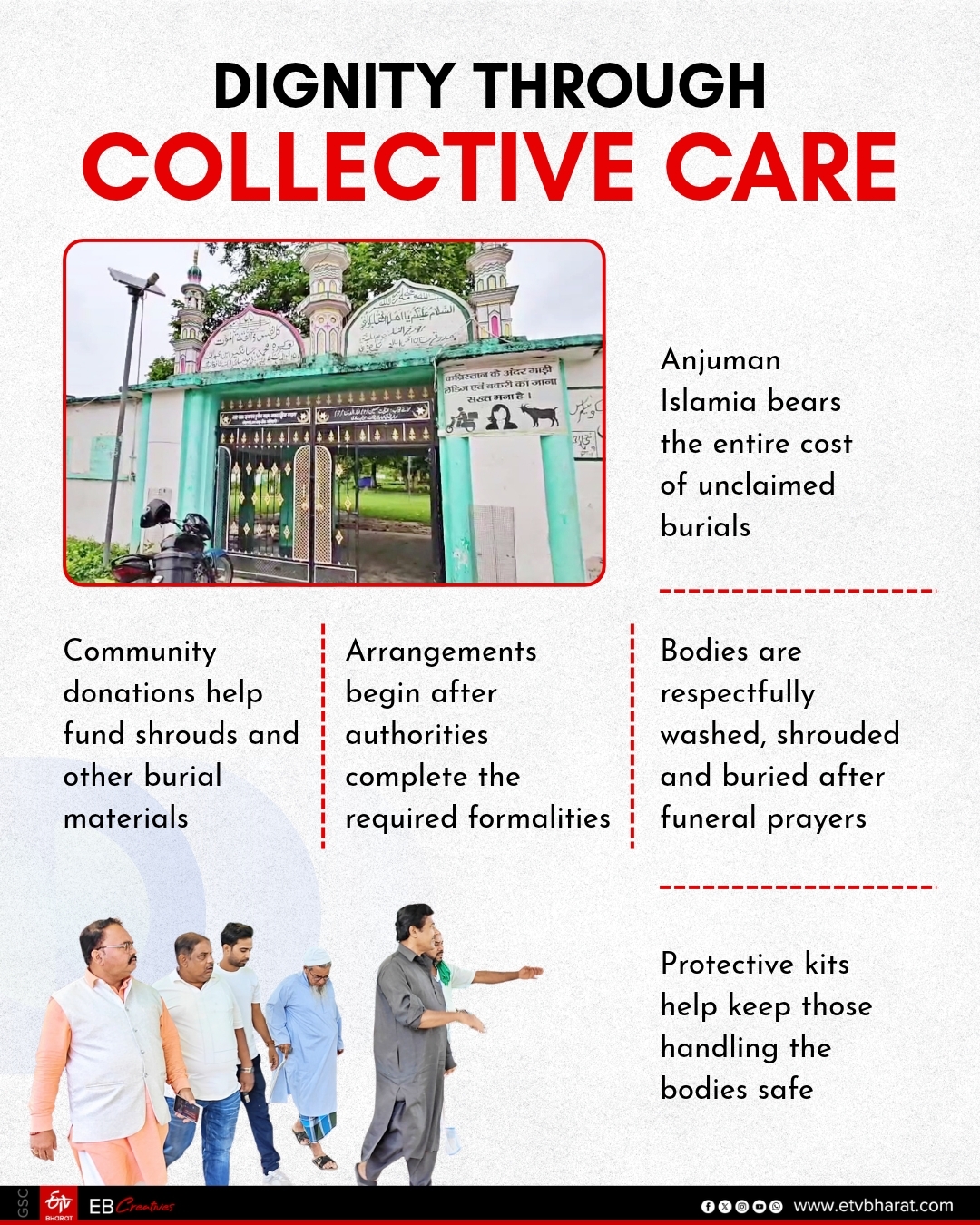
Spread across approximately 25 acres in Hanumangarhi, the Sadar Qabristan is supported by Anjuman Islamia, which bears the entire expense of burying unclaimed bodies. The arrangements depend on a wider circle of people who contribute money, respond when the administration calls, bring the bodies and prepare them for burial.
Syed Mohammad Ahsan, also known as Aftab Hasan, the general secretary of Anjuman Islamia, describes that the cemetery is many centuries old - probably 300 to 400 years and was once much smaller.
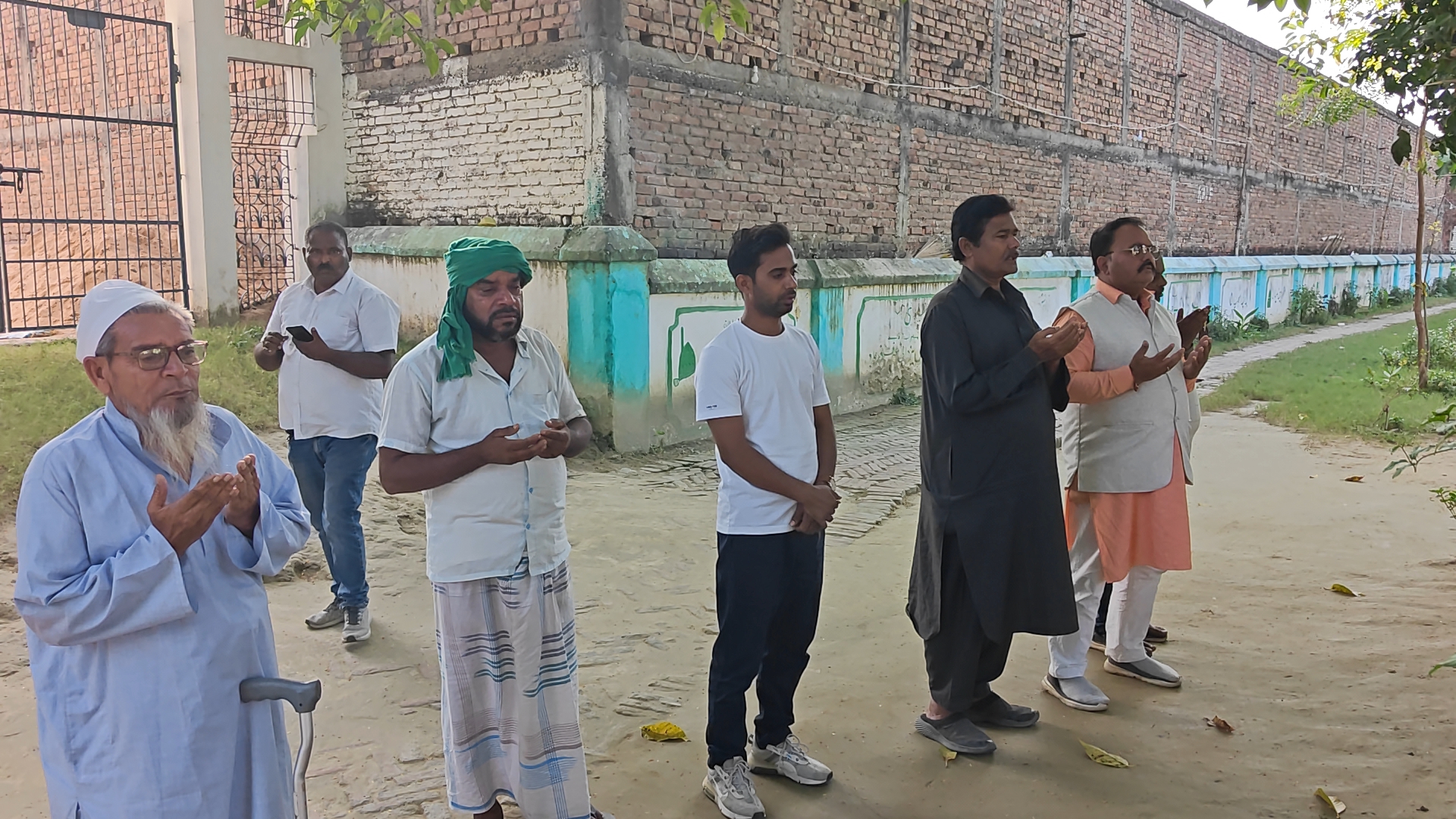
He says Anjuman Islamia was established in 1910 and the cemetery came under its management. Over time, additional land was purchased to expand it.
“When the institution was established, a formal system was put in place under which 102 members were elected from different Assembly constituencies. The secretary and president were then chosen. It has continued to expand. Land was purchased over time, making the cemetery much larger,” Hasan adds.
Facilities have also developed over the years including arrangements for upkeep and a place to offer funeral prayers. The burial of unclaimed bodies has remained part of the institution’s work.
"Anjuman Islamia has several branches of activity, including one dedicated to this responsibility. Donations received on different occasions, particularly during the holy month of Ramzan, help build a fund for the burials," he says.
Shrouds are purchased in advance. Camphor, incense and other necessary materials are kept ready. When a body arrives, the institution can make the arrangements without waiting for a family to meet the cost.
Memories reaching back to British rule
Hasan traces the tradition of burying unclaimed bodies at the cemetery to the early history of Motihari town. His account also links it to the years of British rule and the freedom struggle. The premises now associated with MS College once served as a jail, where people were hanged. He says their bodies would be declared unclaimed, after which British officials would inform those responsible for the cemetery.
The bodies would then be brought there, washed, wrapped in shrouds and buried after funeral prayers, he recounts.
For the people continuing that work today, the responsibility is whenever the authorities inform them about an unclaimed body, arrangements have to begin.
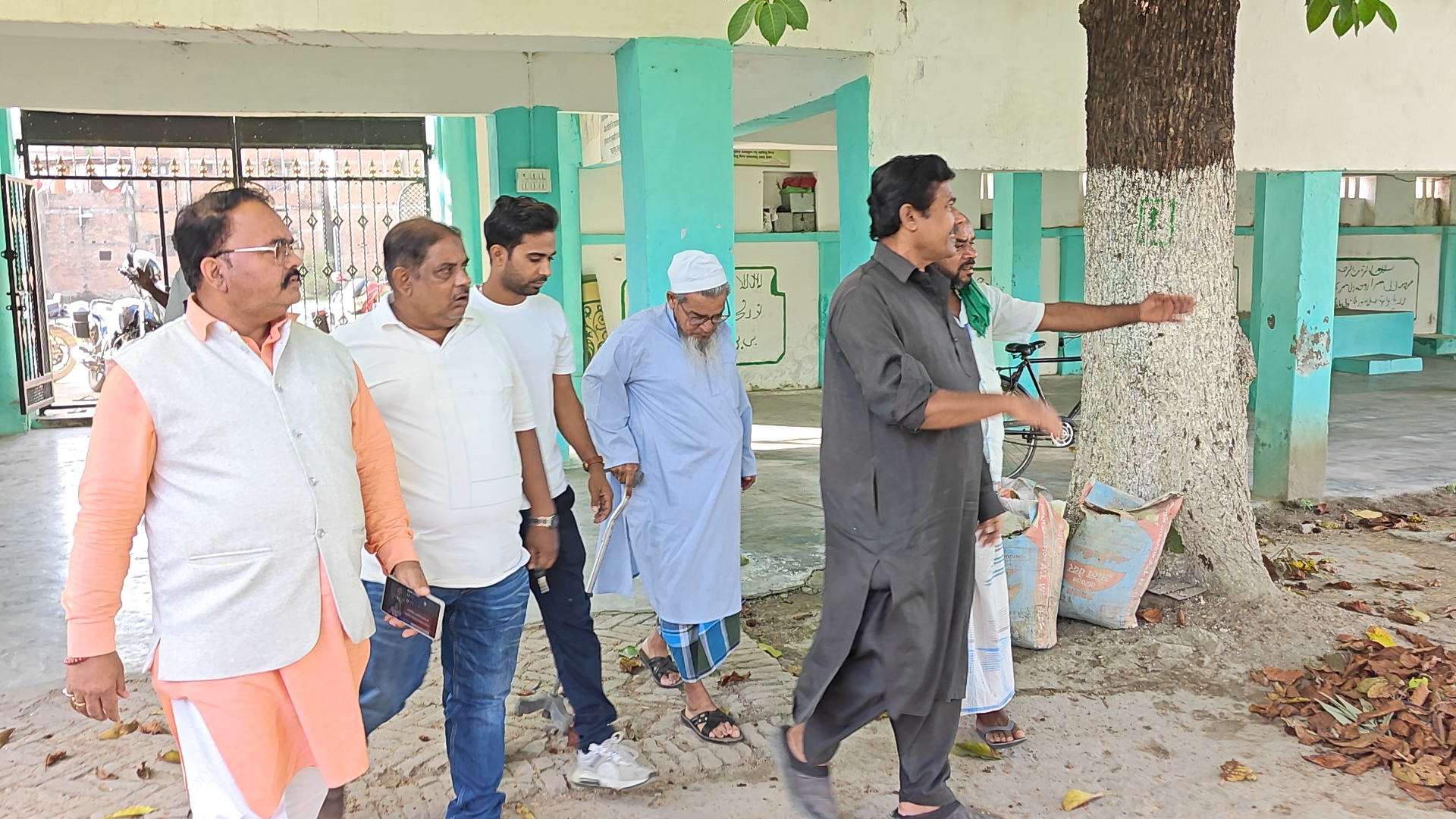
Committee member Mahfooz Khan says a system is followed when the administration seeks the institution’s assistance. The call may concern someone who has died in an accident or a person whose identity has not been established.
Officials first inform Anjuman Islamia. “The institution informs those who do this work. They go and bring the body. First, we ascertain whether the deceased was Muslim. Then, whatever condition the body is in, we bury it,” Khan says, adding, "We also take full care of safety. Protective kits are arranged so that infection does not spread and our people remain safe after carrying out this service.”
The work requires compassion, but it also demands preparation. Those handling the bodies may have to deal with injuries, decomposition and the practical difficulties of bringing the deceased to the cemetery.
Committee member Nishad Moin says a representative first visits the location to assess the condition of the body. In many cases, he says, the remains are in a poor state. “Sometimes, the bodies of railway accident victims are not in a condition to be brought back easily. Kits are arranged for them. The remains are properly packed and then brought here,” Moin says.
At other times, if someone has died of an illness in hospital, or a mendicant has died, the remains are brought wrapped in a bundle. All the required procedures are followed before burial.
The institution says the process includes the authorities’ efforts to establish identity and trace relatives, along with the required police procedures. When nobody comes forward and the formalities are completed, the burial is arranged.
When fear kept even relatives away
Sahab Alam remembers the coronavirus pandemic that made the entire process painful.
“During coronavirus, even family members kept their distance from the bodies of their loved ones. Nobody wanted to touch them. We would complete the burial rites and then ask the relatives to put earth into the grave. They would agree to do that,” he says.
He recalls how people were fearful during those days. "But look at me, I buried so many and nothing happened to me,” he says.
Someone to call their own
Sahab Alam’s understanding of kinship gives every burial a personal touch. "A stranger can be a brother. An older person can be a parent. The absence of a known relationship does not prevent him from recognising one. I believe, every body I bury was someone my own," he adds.
After more than 5,000 burials, Sahab Alam is not tired. "Anyone whose bodies arrive with nobody to accompany them, I will bid them the final adieu," he says while preparing another body for burial.
Also Read:
