Cooking Hacks: Sambar Secrets Your Mother Probably Never Wrote Down
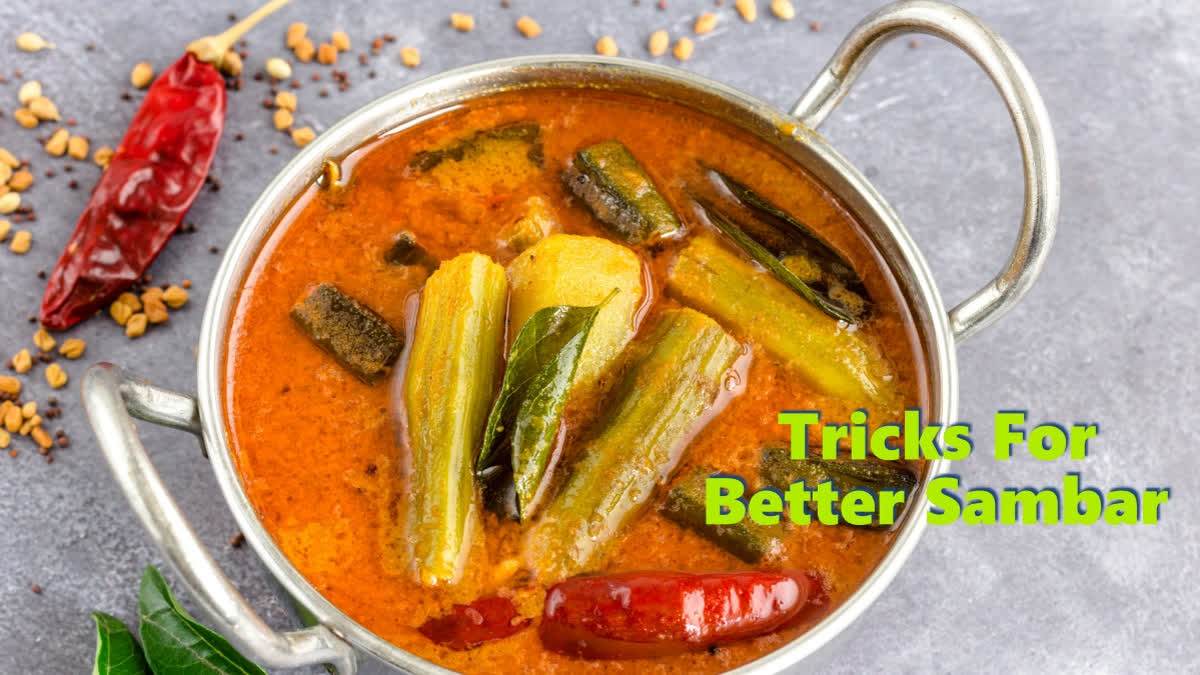
Easy hacks to make your sambar taste and smell more delicious.

Published : May 18, 2026 at 10:52 AM IST

Sambar is one of those dishes that can make you feel like a culinary genius one day and a confused human the next. Sometimes it tastes like a warm hug from your grandmother. Other times, it tastes like hot vegetable confusion. The thing about sambar is this: everyone thinks they know how to make it until someone’s aunt from Chennai tastes it and says, “Nice rasam,” as an insult. So here are some practical, no-nonsense sambar hacks to try in the kitchen.
1. Roast the Sambar Powder
Before adding sambar powder, lightly roast it in a teaspoon of oil for a few seconds. Raw masala tastes flat. Roasting wakes up the spices like morning coffee wakes up exhausted office workers. But don’t overdo it.
2. Add A Tiny Piece Of Jaggery
No, this will not turn your sambar into dessert. A small piece of jaggery balances tamarind’s sharpness and brings harmony to the flavours.
3. Cook Dal Till It Looks Slightly Overcommitted
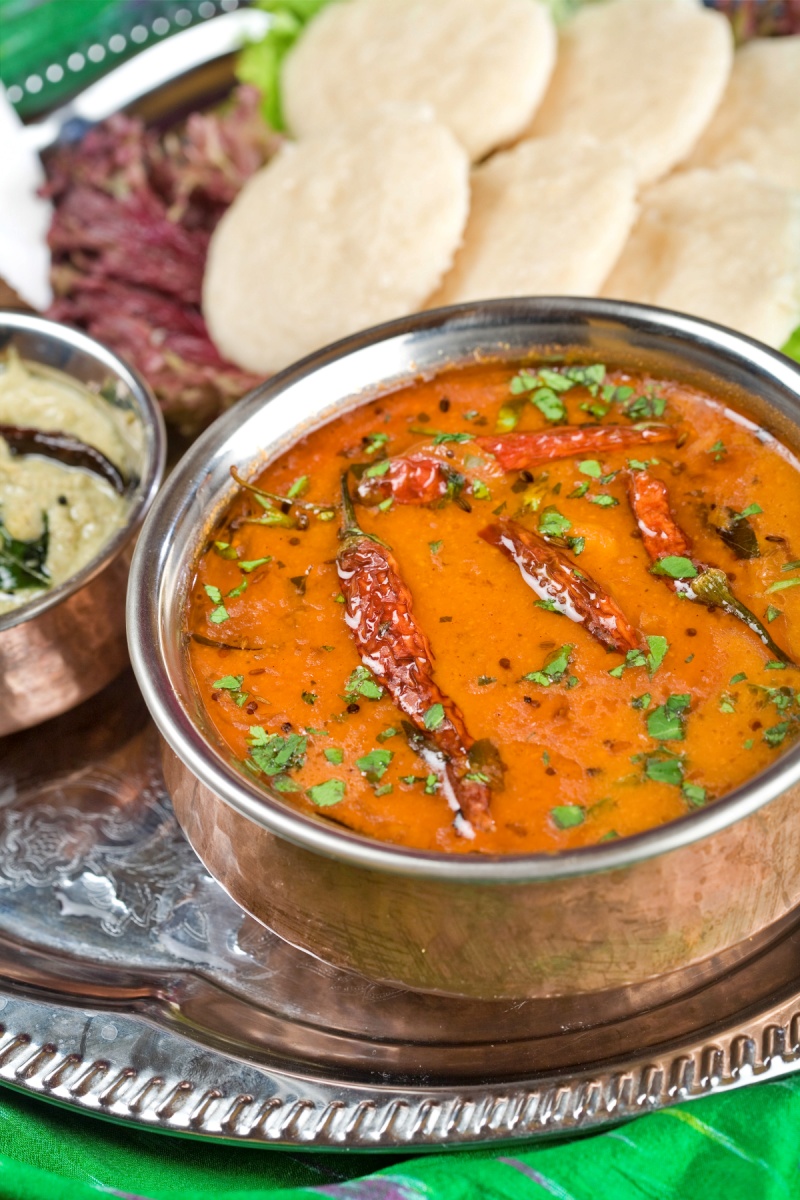
Perfect sambar needs soft, mushy dal. If your dal still has personality and structure, cook it more. Properly mashed dal gives sambar body and comfort. Use a whisk or spoon to mash it well after pressure cooking. Extra hack: Add a pinch of turmeric while boiling the dal for better colour.
4. Tamarind Water Should Never Be Added Too Early
This is where many people accidentally ruin things. If you add tamarind before vegetables cook, they stay stubbornly hard. Tamarind slows softening. Cook vegetables first. Tamarind enters later... like an important celebrity making a delayed appearance.
5. Use Shallots If You Want Restaurant-Level Taste
Big onions work. But small shallots? That is where magic happens. Especially in Tamil-style sambar, pearl onions add sweetness and depth that feels comforting and addictive.
6. Don’t Throw In Every Vegetable
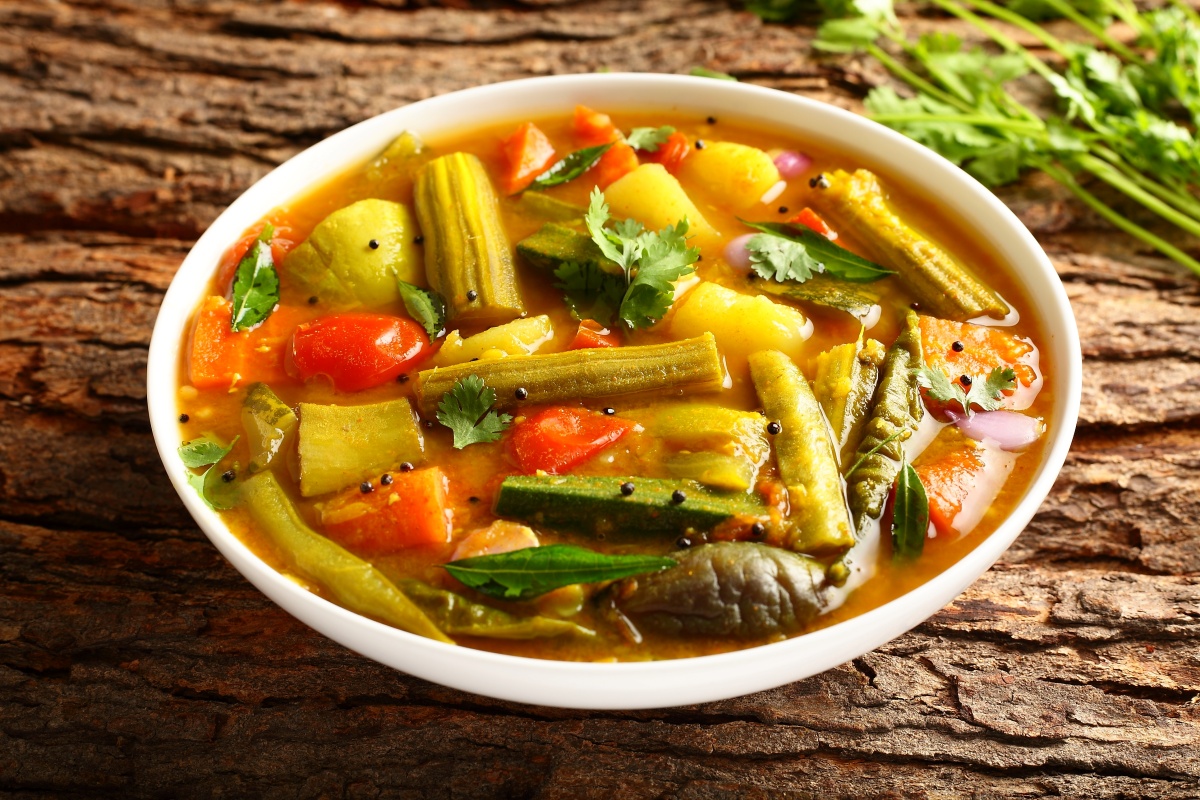
Good sambar likes balance. Choose vegetables that actually work together:
- Drumstick + brinjal = classic combination
- Pumpkin + carrot = mild sweetness
- Radish = bold flavour
- Okra = lovely, but sauté first to avoid sliminess
Too many vegetables can make the pot feel confused.
7. Tempering Is Not Decoration
The tadka matters. Hot oil or ghee + mustard seeds + curry leaves + dried red chilli + hing can transform average sambar into “Who made this?” territory. Want a richer finish? Add a spoon of ghee at the end.
8. Let Sambar Rest
Fresh sambar is good. Thirty-minutes-later sambar? Better. The flavours settle, become friends, and stop fighting for attention. This is why leftover sambar often tastes superior the next day.
9. Tomatoes Are Supporting Actors, Not Heroes
Too much tomato can hijack the flavour and turn your sambar tangy. Remember: tamarind is the main source of sourness. Tomatoes are there for support, not domination.
10. Finish With Coriander Leaves at the End
Never cook coriander forever. Add chopped coriander after turning off the flame. It keeps the freshness alive and makes everything smell instantly more inviting.
Hotel-Style Sambar Trick
Want that slightly addictive restaurant flavour? Mix a spoon of freshly ground roasted coriander seeds and a little roasted coconut paste into the sambar. Suddenly, your humble weekday lunch feels dangerously close to a South Indian restaurant meal.
Also read:
