AI Diet Plans Explained: What They Get Right And What They Miss
An AI diet plan is a personalised eating framework generated by software, but generating a diet is not the same as understanding the human body.

Published : August 24, 2026 at 11:11 AM IST
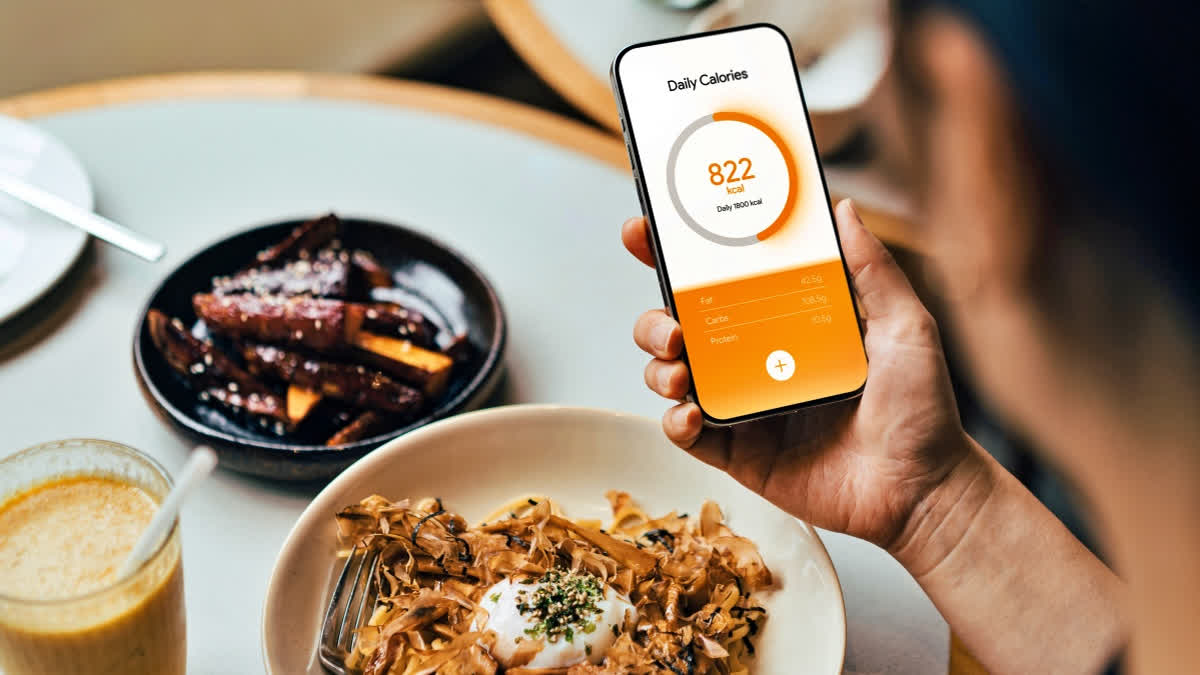
There is a useful thought experiment happening in nutrition right now: give an algorithm your age, height, weight, activity level, food preferences, allergies and fitness goal, and ask it to tell you what to eat. Within seconds, you can get a meal plan: Breakfast, lunch, dinner, snacks, calories, protein, recipes, shopping lists.
It is convenient. It is also where we should pause. Because generating a diet is not the same thing as understanding a human body. An AI diet plan is essentially a personalised eating framework generated by software. Machine-learning systems and nutrition algorithms process information you provide and convert it into calorie, macronutrient and meal recommendations. Some systems can analyse photographs of food to estimate portion sizes and calories, while others can generate recipes based on your preferences and goals. For someone who simply needs structure, that's useful. But nutrition gets complicated quickly.
The 10-Minute Experiment
Imagine you tell an AI: “I'm 35, weigh 75 kg, exercise four times a week, want to lose weight, eat vegetarian food and live in India.” You'll probably receive a perfectly respectable-looking plan. Now add: “I have PCOS.” Or you're taking medication that interacts with certain foods. Suddenly, the quality of the answer depends on information the algorithm may not have. That's the central problem with AI nutrition. The output can look highly personalised while still being clinically generic.
What AI Does Surprisingly Well
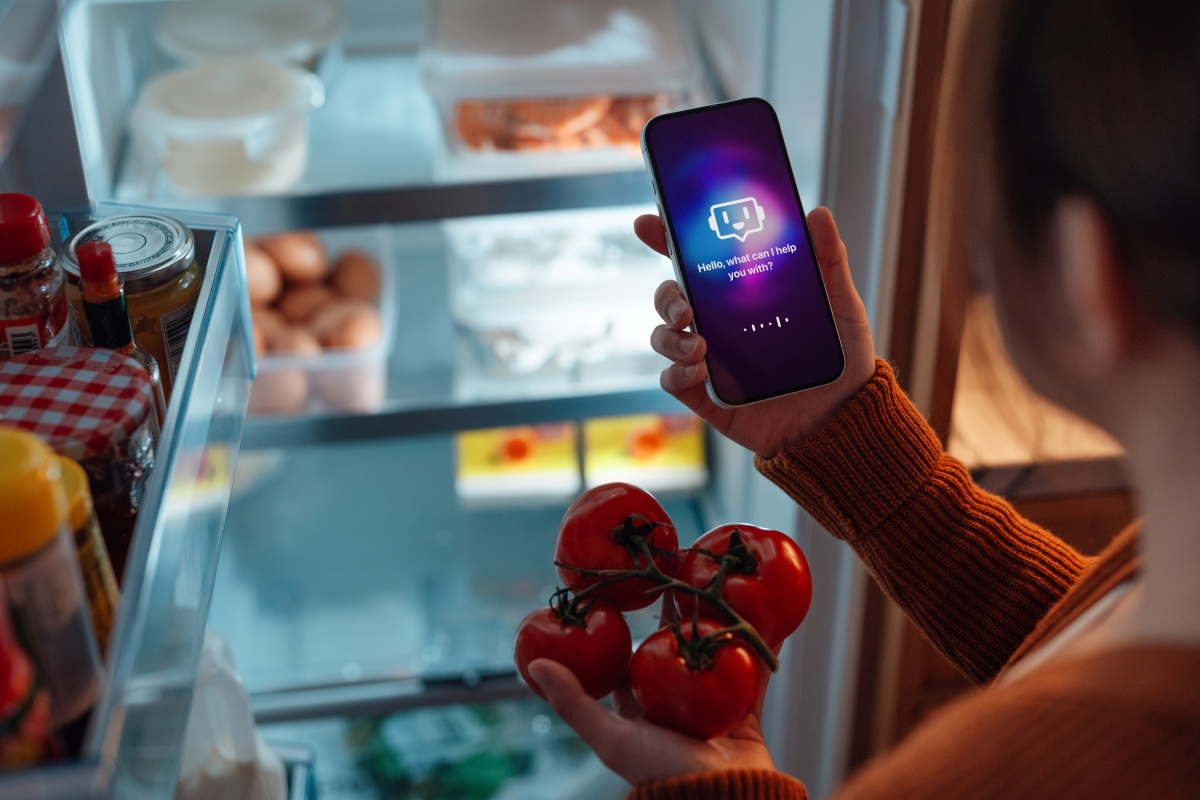
Let's not dismiss the technology. AI is excellent at repetitive, data-heavy tasks. It can calculate approximate calorie and macronutrient targets, generate meal variations, organise recipes, create shopping lists and help people track what they eat. It can also make healthy eating less boring. Tell an AI you have oats, chickpeas, spinach and some leftover vegetables, and it can generate several meal ideas before you've finished deciding whether to order takeout. Convenience is one of the biggest barriers to behaviour change. If technology can reduce the friction between knowing what you should do and actually doing it, it has genuine value.
Research has also explored AI systems that use food photographs to estimate portions and nutritional intake, as well as digital health coaches designed to support behaviours such as eating more fruits and vegetables and increasing physical activity.
Your Body Isn't A Spreadsheet
A calorie target is useful but it isn't the whole story. Human beings respond differently to food. Genetics can influence how individuals process nutrients. The gut microbiome varies enormously between people. Age, sex, activity, sleep, medications and health conditions can all alter nutritional requirements. Two people can eat the same meal and experience different metabolic responses. This is why the idea of a universally “perfect” AI-generated diet is problematic. Your body doesn't know that the algorithm has a five-star rating. It responds to biology.
The Calorie Problem
One of the more concerning findings from research into AI-generated diet plans is that some systems can underestimate energy requirements substantially, particularly in younger populations. One study examining AI-generated dietary recommendations for adolescents found energy estimates could be hundreds of calories below recommended levels, while some plans simultaneously overestimated protein and fat.
A deficit of several hundred calories every day can become significant over time. Other concerns include inadequate carbohydrates, micronutrient gaps and excessive emphasis on protein or fat. The danger is amplified by the fact that AI tends to communicate its recommendations with extraordinary confidence. A wrong answer delivered confidently is still wrong.
The Eating Disorder Question
There's another issue that deserves more attention. Nutrition technology often rewards precision: calories logged, grams measured, meals photographed, weight tracked. For some people, structure is helpful. For others, obsessive tracking can become harmful. Strict AI-generated recommendations, especially extreme calorie limits or constant number tracking, could exacerbate unhealthy food and body image relationships for at-risk populations. This is one area where human judgement matters enormously. A dietician can notice when a person's relationship with food is becoming increasingly restrictive.
The Missing Data
Here's the uncomfortable part. Your AI diet plan probably doesn't know what happened to you today. It doesn't know that you slept four hours. It doesn't know you have a fever. It doesn't know that you've started a new medication. It may not even know whether the portion sizes it suggested are realistic. AI works with the information it has. Human nutrition professionals work with information, observation, experience and clinical context.
So, Should You Use An AI Diet Plan?
Yes but with guardrails. Think of AI as a nutrition assistant, not your doctor or dietician. Use it to brainstorm meals. Ask for healthier substitutions. Generate recipes from ingredients you already have. Create a shopping list. Make your diet more interesting. Track habits. But don't blindly follow a restrictive plan simply because an algorithm generated it. If you have a medical condition, take regular medication, are pregnant or breastfeeding, are significantly underweight or overweight, have a history of disordered eating, or need nutrition therapy for a specific condition, get professional advice.
References:
- https://www.frontiersin.org/journals/nutrition/articles/10.3389/fnut.2026.1765598/full
- https://linkinghub.elsevier.com/retrieve/pii/S0889157525006659
Also read:
- When Fear Of Weight Gain Overshadows Motherhood
- Eating This Food Increases Men's Chances Of Prostate Cancer By As Much As 34%, According To US Researchers
- Does Your Face Show These Signs? You Could Have A Vitamin B12 Deficiency
- Visual Explainer: What Is Clean Eating? All About Eating For Weight Loss And Better Immunity