Samosa Caucus Unwrapped: Know The Indian-Americans Fighting 2026 US Midterm Elections
As Indian-American candidates compete across key congressional districts, the 2026 midterms could reshape the community's representation and influence in Washington.

Published : October 26, 2026 at 11:23 AM IST

New Delhi: The November 3 midterm elections in the US are shaping up to be an important test of the political representation of Indian Americans, a community that has steadily expanded its presence in American public life, from technology and business to state legislatures and the US Congress.
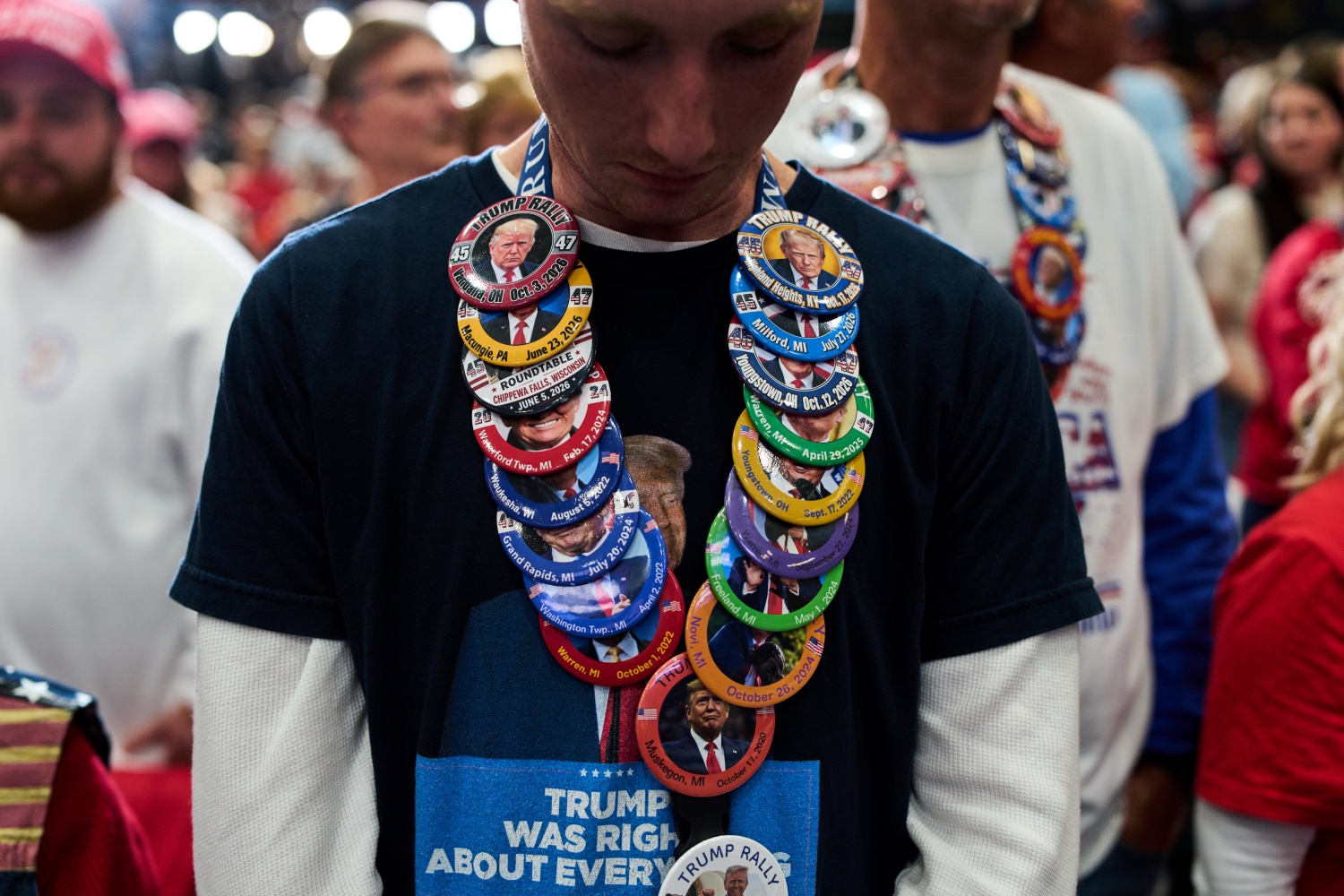
The elections will be particularly significant for the so-called Samosa Caucus, an informal name given to Indian-American members of the House of Representatives. All six members of the outgoing group are Democrats, but two of them will not return to the House following the 2026 elections: Raja Krishnamoorthi lost the Democratic primary for the US Senate in Illinois, while Shri Thanedar was defeated in his Democratic congressional primary in Michigan.
The immediate contest is therefore not simply about maintaining representation. It is also about whether the community can expand its presence in Congress, whether candidates of Indian origin can win in districts with different political and demographic profiles, and whether Indian-American politicians can build electoral coalitions that extend beyond their ethnic communities.
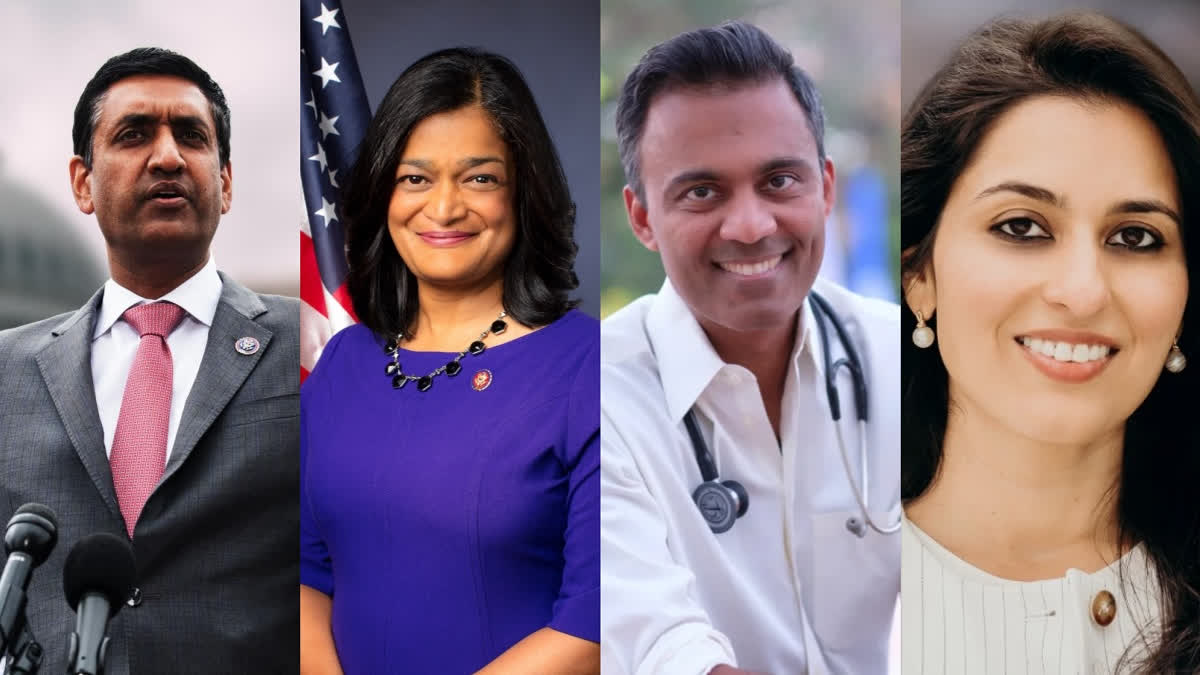
The most consequential contests involve Democratic incumbents Ro Khanna, Pramila Jayapal, Ami Bera and Suhas Subramanyam, along with Democratic challengers Amish Shah in Arizona and Pia Dandiya in Florida. Indian-American Republicans Ritesh Tandon and Nirav Sheth are also contesting Congressional seats against Democratic incumbents.
Ro Khanna (California's 17th Congressional District): Khanna, a Democratic candidate, is seeking another term in the Silicon Valley-area district, a centre of the US technology industry. First elected to the House in 2016, he has developed a national profile through his work on technology policy, manufacturing, economic inequality and campaign-finance reform.
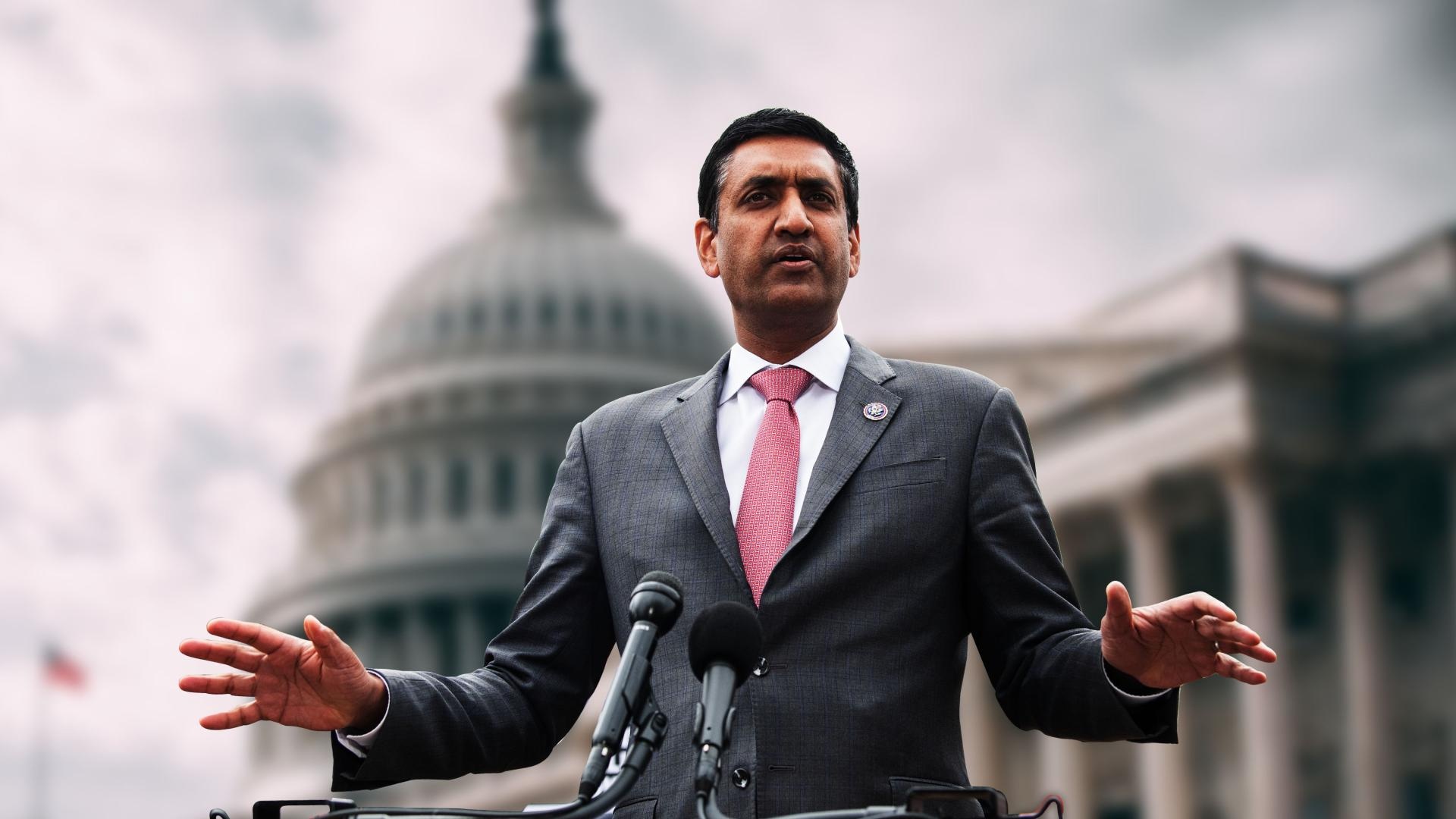
He faces Republican Ritesh Tandon, making this one of the contests in which two candidates of Indian origin are competing for the same seat. The district’s political composition generally favours Democrats, giving Khanna an advantage, although the campaign will still be shaped by turnout and national political sentiment.
Pramila Jayapal (Washington’s 7th Congressional District): Born in Chennai, Jayapal moved to the US at the age of 16 and became one of the most prominent Indian-origin women in American politics. She has represented Washington’s 7th District since 2017 and is known nationally for her progressive positions on healthcare, immigration, workers' rights and social welfare.
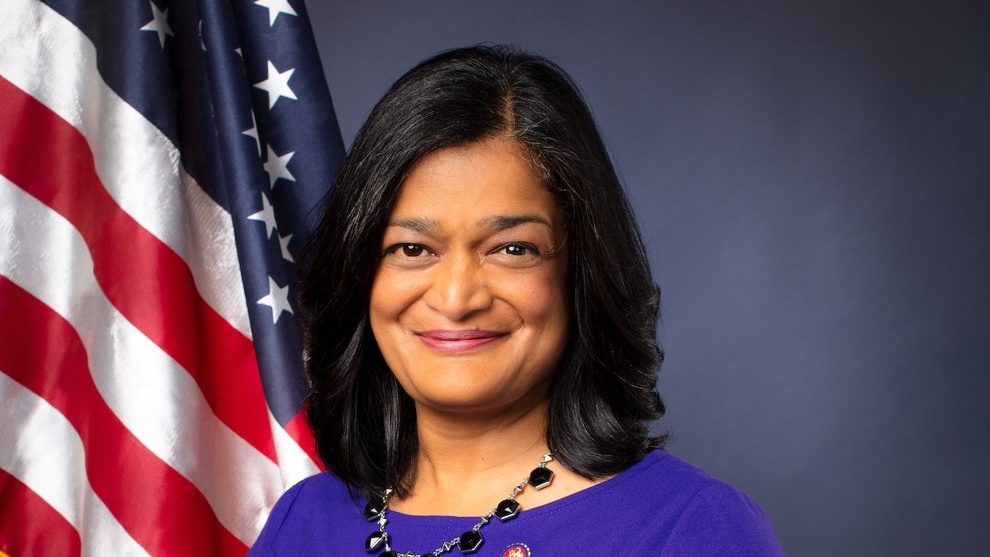
Her Republican challenger, Nirav Sheth, is also of Indian origin. The Seattle-area district is strongly Democratic, making Jayapal the clear favourite on the basis of its political alignment. Nevertheless, the contest highlights the ideological diversity within the Indian-American community: shared ancestry does not necessarily translate into shared political priorities.
Ami Bera (California’s 3rd Congressional District): Bera, a physician by profession, has served in Congress since 2013. His election marked an important stage in the consolidation of Indian-American representation in Washington, and he has become one of the community’s longest-serving contemporary members of Congress.
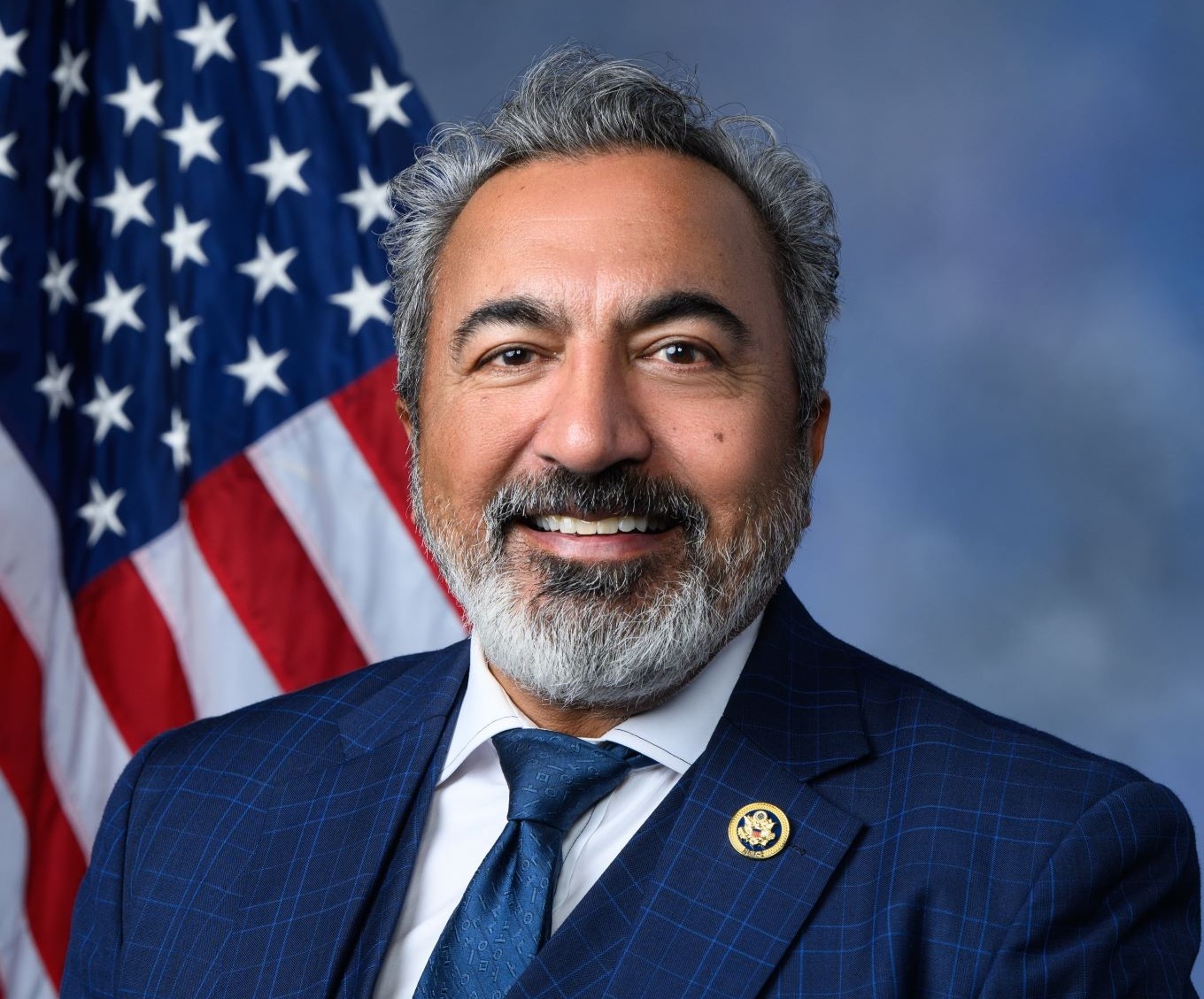
His political experience, established constituency and background in medicine give him a profile distinct from that of newer candidates seeking their first congressional seats. He is seeking re-election as Democrats attempt to preserve their representation in the House and challenge Republican control of Congress.
Suhas Subramanyam (Virginia’s 10th Congressional District): Subramanyam entered the House in 2025 after building his career in Virginia politics. Before Congress, he served in the Virginia General Assembly and worked in the Obama administration, giving him experience in both state-level politics and federal policymaking.
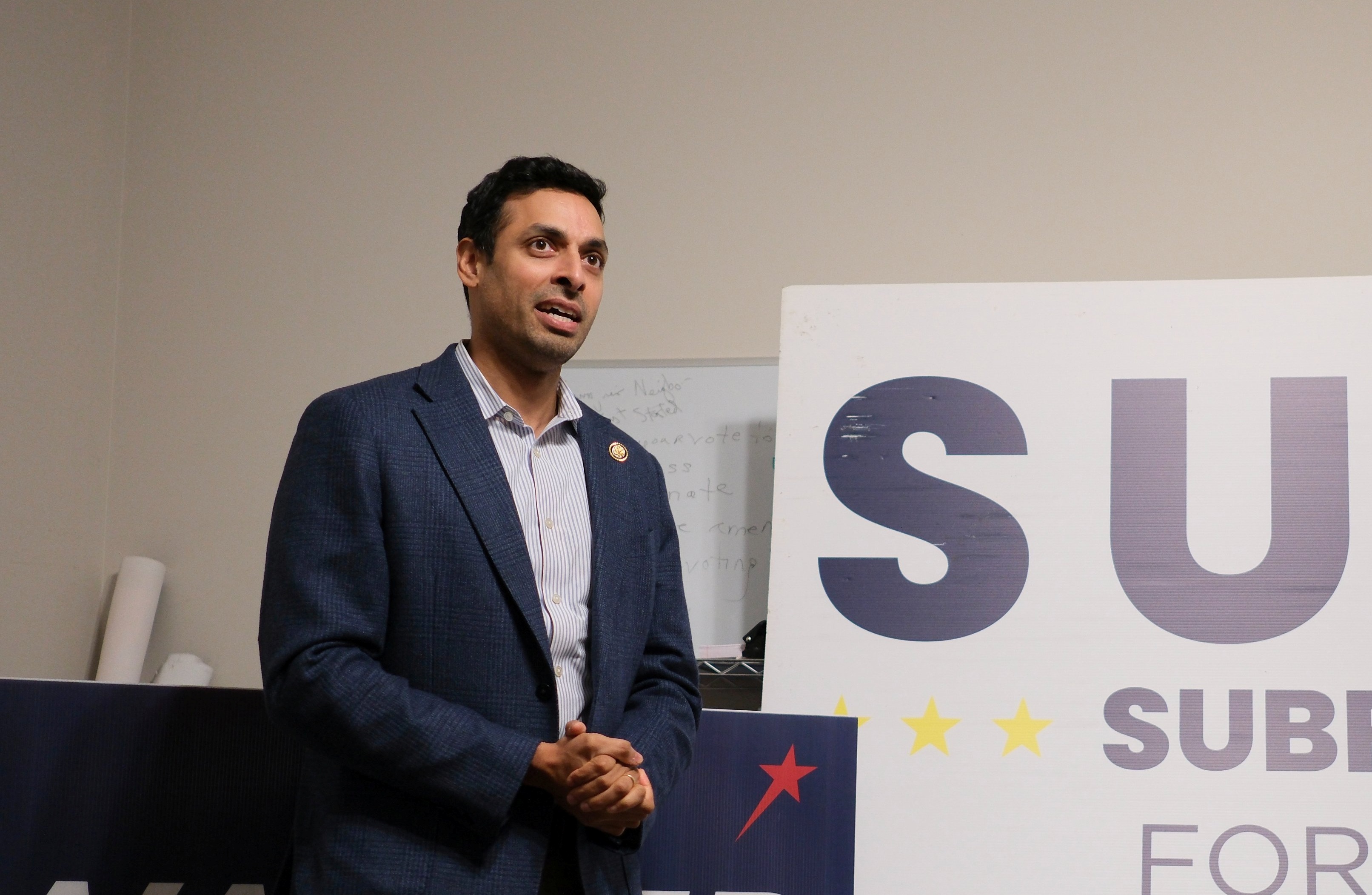
He is seeking a second term against Republican Dave Beckwith, a US Air Force veteran. The Northern Virginia district has a Democratic-leaning electorate, but the result will also be influenced by concerns about the economy, federal employment, public services and the national political climate.
Amish Shah (Arizona’s 1st Congressional District): Shah, an emergency-medicine physician and former Arizona state legislator, is the Democratic nominee in one of the most closely watched congressional contests involving an Indian-American candidate. He previously contested the district in 2024 and lost to Republican David Schweikert.
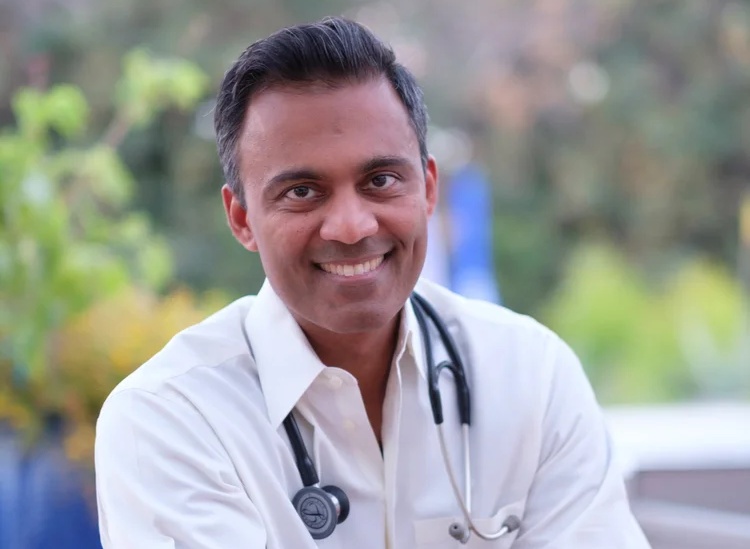
In 2026, Shah faces Republican Jay Feely, a former professional American football player who has also worked as a broadcaster. Shah’s medical background and experience in state politics provide a foundation for his campaign, while healthcare costs, affordability and the national political environment are among the issues likely to matter to voters.
The race has been rated differently by major election forecasters, ranging from a Democratic-leaning contest to a toss-up. A victory would give the Samosa Caucus a potential replacement for one of the departing members and could make Shah one of the key Indian-American voices in the next House.
Pia Dandiya (Florida’s 22nd Congressional District): Dandiya is seeking to become the first Indian-American to represent Florida in the US Congress. Born and raised in Palm Beach County to parents who immigrated from India, she brings experience in education, public administration and technology.
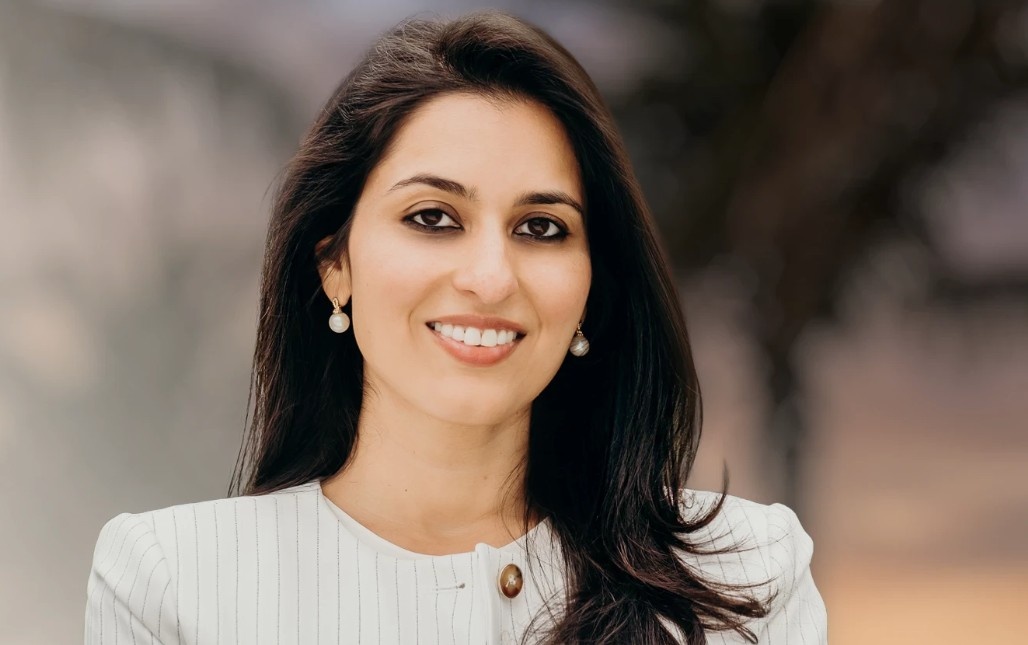
She began her career as a teacher and later became a school principal in New York. She subsequently served as a White House Fellow, working with the Domestic Policy Council and the US Department of Education, before joining Apple in a role involving technology and public services.
Her campaign centres on making life more affordable, including addressing housing, property insurance and healthcare costs, improving public education and challenging the influence of powerful corporate interests in Washington.
Dandiya faces Republican businessman and Marine Corps veteran Casey Askar in an open-seat contest. The district’s Republican-leaning political profile makes the race particularly difficult, despite its classification as competitive by some forecasters. A win would mark a historic breakthrough for Indian-American representation in Florida.
Indian-American Republicans challenging Democratic incumbents
The 2026 elections also demonstrate that Indian-American political representation is no longer confined to the Democratic Party. Several Republican candidates of Indian origin are seeking congressional seats, although their chances depend heavily on the partisan leanings of their districts.
Ritesh Tandon (California’s 17th Congressional District): Tandon is challenging Ro Khanna in the Silicon Valley-area district. Their contest is notable because it pits two Indian-origin candidates with opposing party affiliations against each other.
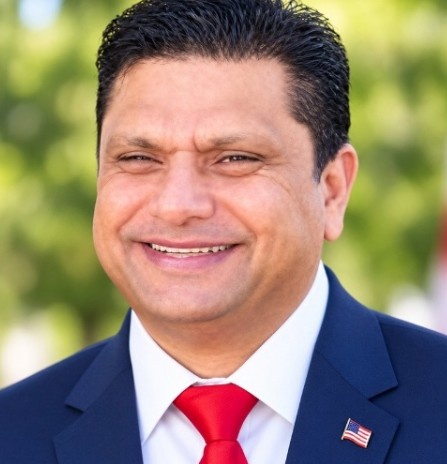
Khanna’s established position and the district’s Democratic lean make Tandon’s task difficult. His candidacy nevertheless illustrates how candidates of Indian origin are participating across the American political spectrum rather than forming a unified ethnic voting bloc.
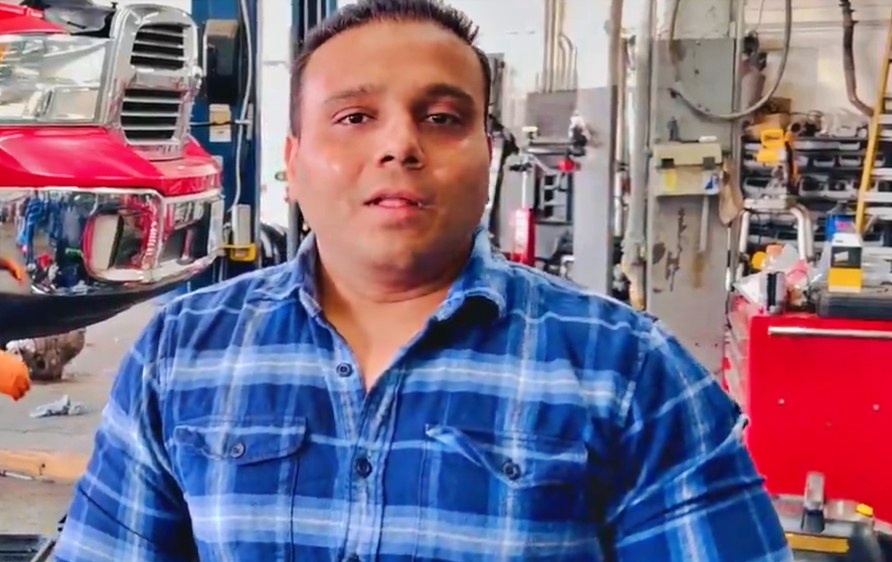
Nirav Sheth (Washington’s 7th Congressional District): Sheth is challenging Pramila Jayapal, a prominent progressive Democrat, in the Seattle-area district. The race offers another example of Indian-American candidates taking different approaches to taxation, public spending, healthcare and the role of government.
Given the district’s strong Democratic orientation, Jayapal is substantially better positioned electorally. Sheth’s candidacy is nonetheless relevant to the wider evolution of Indian-American participation in Republican politics.
Other Indian-origin Republicans are also seeking congressional office. Among them is Mahesh Ganorkar, who is challenging Democratic Representative Valerie Foushee in North Carolina’s 4th Congressional District. That district is considered safely Democratic, making it a difficult route to an additional Indian-American Republican seat in the House.
Why the Samosa Caucus could shrink
The arithmetic of the 2026 election is straightforward, but its implications are important. The six-member group comprises Bera, Khanna, Jayapal, Krishnamoorthi, Thanedar and Subramanyam. Khanna, Jayapal, Bera and Subramanyam are on the November ballot.
Amish Shah in Arizona and Pia Dandiya in Florida could replace the departing members in the House. The two departures have different political explanations.
Krishnamoorthi, who represented Illinois’s 8th Congressional District, opted to run for the US Senate rather than seek another House term. He lost the Democratic primary on March 17 to Illinois Lieutenant Governor Juliana Stratton. According to reported results, Stratton received 40.39 percent of the vote against Krishnamoorthi’s 32.71 percent.
Thanedar, meanwhile, lost the Democratic primary for Michigan’s 13th Congressional District on August 4 to state Representative Donavan McKinney. McKinney won 51.9 percent against Thanedar’s 48.1 percent, ending the incumbent’s bid for another term.
These results show that Indian-American ancestry does not provide political protection in primary elections. Candidates must maintain party support, respond to local concerns and compete against challengers who may mobilise voters around generational change, ideology or dissatisfaction with incumbents.
The four remaining Democratic incumbents are contesting districts generally considered favourable to their party. The principal uncertainty concerns whether Shah and Dandiya can win new seats and offset the two departures.
If both succeed, the informal caucus could return to six members. If only one wins, it would have five. If both lose, the number of Indian-American representatives would fall to four, assuming the four incumbents retain their seats.
The wider political significance of the elections
Indian Americans have become increasingly visible in American politics, reflecting the community’s growth in professional, entrepreneurial, academic and public-service fields. However, the congressional contests of 2026 reveal that this progress is uneven.
Khanna’s Silicon Valley constituency, Jayapal’s Seattle-area district and Subramanyam’s Northern Virginia constituency have political and economic profiles very different from those of Shah’s Arizona district and Dandiya’s South Florida constituency. Their campaigns must respond to local concerns rather than rely on a shared ethnic identity.
Shah and Dandiya are particularly important because their victories would demonstrate that Indian-American candidates can compete successfully beyond districts where Democratic voters are dominant.
The candidates’ electoral prospects must also be viewed against the growing influence of Asian-American voters in closely contested states and congressional districts.
An AAPI Data/AAPI Vote survey conducted in 2026 found that Asian Indian respondents favoured Democratic House candidates over Republican candidates by 66 percent to 18 percent. This indicates a strong Democratic preference in the surveyed population, but it does not mean every Indian American voter supports Democrats or that national preferences will determine individual district outcomes.
Candidates from both parties must appeal to voters on issues such as the following:
- The cost of housing, healthcare, education and everyday essentials.
- Employment, economic growth and the outlook for technology-sector workers.
- Immigration policy, legal immigration pathways and family reunification.
- Public safety, civil rights and the treatment of minority communities.
- Foreign policy, US relations with India and broader Asian security.
These issues can carry different weight depending on the constituency. For example, affordability and property insurance are prominent themes in Dandiya’s South Florida campaign, while technology-sector employment and economic policy are especially relevant to Khanna’s Silicon Valley district.
The caucus is not a single ideological bloc
The label “Samosa Caucus” is a media-friendly description of lawmakers who share Indian ancestry. It should not be interpreted as a formal parliamentary caucus with a unified political programme.
The existing members have different policy emphases, and the Republican challengers underline the ideological diversity of Indian-American politics. A candidate’s views on taxation, immigration, social policy, healthcare and the role of government may be shaped more by party affiliation and personal political philosophy than by ethnic background.
This distinction matters because the long-term influence of Indian Americans will depend not only on the number of representatives elected but also on their committee assignments, legislative activity, ability to build coalitions and capacity to influence policy.
The midterms could reshape the balance of power in Washington
The 2026 midterm elections represent a pivotal moment for Indian-American representation in the US House of Representatives. The loss of Krishnamoorthi and Thanedar from the outgoing chamber has made the contests involving Amish Shah and Pia Dandiya especially consequential.
A victory for both would preserve the six-member strength of the Samosa Caucus, while victories for only one or neither would leave the group smaller than it is today. The four incumbent lawmakers are seeking to retain their seats, while Republican candidates of Indian origin are also challenging Democrats in districts where the electoral odds are less favourable to them.
Ultimately, the significance of the elections extends beyond the number of Indian-origin lawmakers. They will help establish whether the community can sustain its growing presence in national politics, develop influence across party lines and translate demographic and professional advancement into durable political representation.
Read More
