Explained: How Iran Conflict Clouds Trump's Midterm Election Prospects
Trump's Iran strategy faces a critical domestic test amid growing costs.

Published : October 25, 2026 at 11:04 AM IST

New Delhi: The prolonged conflict with Iran has emerged as a major issue in the final phase of campaigning for the US midterm elections, linking US President Donald Trump's foreign-policy decisions directly to the economic concerns of American households.
What began as a military confrontation has evolved into a domestic political controversy involving petrol prices, inflation, the credibility of Trump’s economic promises and growing questions about the war’s duration and objectives.
The latest evidence suggests the conflict is contributing to an increasingly difficult political environment for Trump and congressional Republicans. A Reuters/Ipsos poll published on October 19 put the President’s approval rating at 31 per cent, while Democrats led Republicans by 47 per cent to 35 per cent among registered voters on the generic congressional ballot.
Reuters reported on October 24 that the economic effects of the Iran war, combined with Trump’s tariff policies, were becoming a significant liability for Republican candidates.
The central issue is that foreign policy has become inseparable from the cost of living. Americans are not evaluating the conflict exclusively in terms of military objectives, Iran’s regional influence or US national security. They are also assessing it through the prices they pay for fuel, transportation and other household necessities.
Yet the electoral consequences remain uncertain. The conflict could weaken Republican support among voters concerned about inflation and prolonged military involvement, while continuing to command support from Americans who consider confronting Iran a necessary security measure. The outcome will depend on how these competing considerations shape turnout and voting decisions across individual congressional districts and states.
From Foreign-policy Crisis To Domestic Political Liability
The US-Israeli military campaign against Iran began on February 28, 2026. More than seven months later, the conflict remains unresolved, and its economic consequences have become a prominent issue in the run-up to the November 3 elections.
The duration of the war is politically significant because Trump initially presented the military operation as a relatively short campaign. Its continuation for months has raised questions about the administration’s expectations, the objectives it seeks to achieve and the conditions under which it would consider the operation complete.
The Associated Press reported in August that the conflict had reshaped the midterm debate by undermining Trump’s campaign pledge to avoid foreign conflicts and imposing additional costs on American households. It also documented contrasting reactions among voters: some were increasingly frustrated by the price of fuel, while others continued to support the president’s approach towards Iran.
Three overlapping problems now confront the administration. The first one is economic pressure. Higher fuel and transportation costs have intensified concerns about household affordability.
The second problem is strategic uncertainty: The duration of the conflict and the difficulty of defining a clear endpoint have fuelled public questions about its purpose and cost.
And the third problem is political accountability. Since the president authorised the military operation, opponents can connect its consequences to his leadership and the performance of the Republican Party.
This third factor is particularly important in a midterm election. The president is not on the ballot, but members of his party must defend their records and explain whether they support his decisions. Congressional candidates can, therefore, face political consequences for a war they did not initiate and may have limited influence over.
The issue is not whether every voter blames Trump for higher prices. Rather, it is whether enough voters associate the conflict with worsening economic conditions to affect their choices in competitive races.
The Energy Shock: The Most Immediate Link Between Iran And American Voters
The Strait of Hormuz has become the critical economic transmission channel between the conflict and American domestic politics. Disruption to oil shipments through this narrow waterway has increased uncertainty over global supplies, while attacks on shipping and the risk of further escalation have sustained a geopolitical premium in energy markets.
The Associated Press reported on October 17 that the average US petrol price had reached $4.33 a gallon, approximately 45 per cent above its prewar level, while diesel had risen by 68 per cent to $6.33 a gallon.
Moody’s Analytics estimated that the conflict had cost the average US household almost $2,000 through higher energy expenses, increased interest rates and military costs. These figures are estimates and national averages, not amounts paid by every household.
The political consequences extend beyond the petrol pumps. Higher diesel costs increase the expense of transporting agricultural produce and manufactured goods.
Airlines face higher operating costs, which can translate into higher fares or reduced services. Firms with limited financial reserves may struggle to absorb higher transportation and production costs.
Household Confidence
Even when wages continue to rise, consumers may feel worse off if essential expenses increase faster than their earnings. This explains why the conflict is becoming a campaign issue even among voters who would not ordinarily rank foreign policy among their principal concerns.
A Chicago Council on Global Affairs survey conducted in July found that 86 per cent of Americans believed the Iran war had harmed the cost of living in the United States. Yet only 2 per cent identified the war itself as their single most important voting issue.
Inflation and the cost of living ranked first. The distinction is crucial. The war may influence the election indirectly by aggravating an existing economic concern rather than by becoming the primary issue on every voter's ballot.
Credibility Gap: Trump’s Economic Promises Vs Household Experience
Trump’s political appeal has rested partly on the promise that his administration would improve economic conditions for Americans. Rising energy prices pose a direct challenge to that promise.
A Reuters/Ipsos survey reported earlier in October found that 78 per cent of Americans believed Trump’s policies were contributing to prices rising faster than their earnings. The survey reflects perceptions of his overall policy mix, including tariffs and the Iran conflict, rather than isolating the effect of military action.
This distinction is important because the US economy faces several pressures simultaneously. Tariffs can raise the cost of imported goods, while energy disruptions affect transport, production and distribution. When these pressures coincide, voters may attribute the combined effects to the administration even if no single policy accounts for all the increases.
The political problem is compounded by the time lag between economic policy and household experience. Even if oil prices decline, retailers and transport companies may take time to reduce prices. Inflation can also persist in sectors that are only indirectly connected to energy.
The administration’s response is therefore being judged against a practical question: are households becoming better off?
The White House can argue that the economic disruption is temporary and that military action serves a longer-term national-security purpose. It can also contend that the economic consequences of allowing Iran to threaten regional stability would be more damaging.
Critics can counter that a president must account for foreseeable economic risks when deciding to initiate or prolong a conflict. The disagreement is not simply about whether the military operation is justified. It concerns how the administration balances strategic objectives against the immediate economic interests of American households.
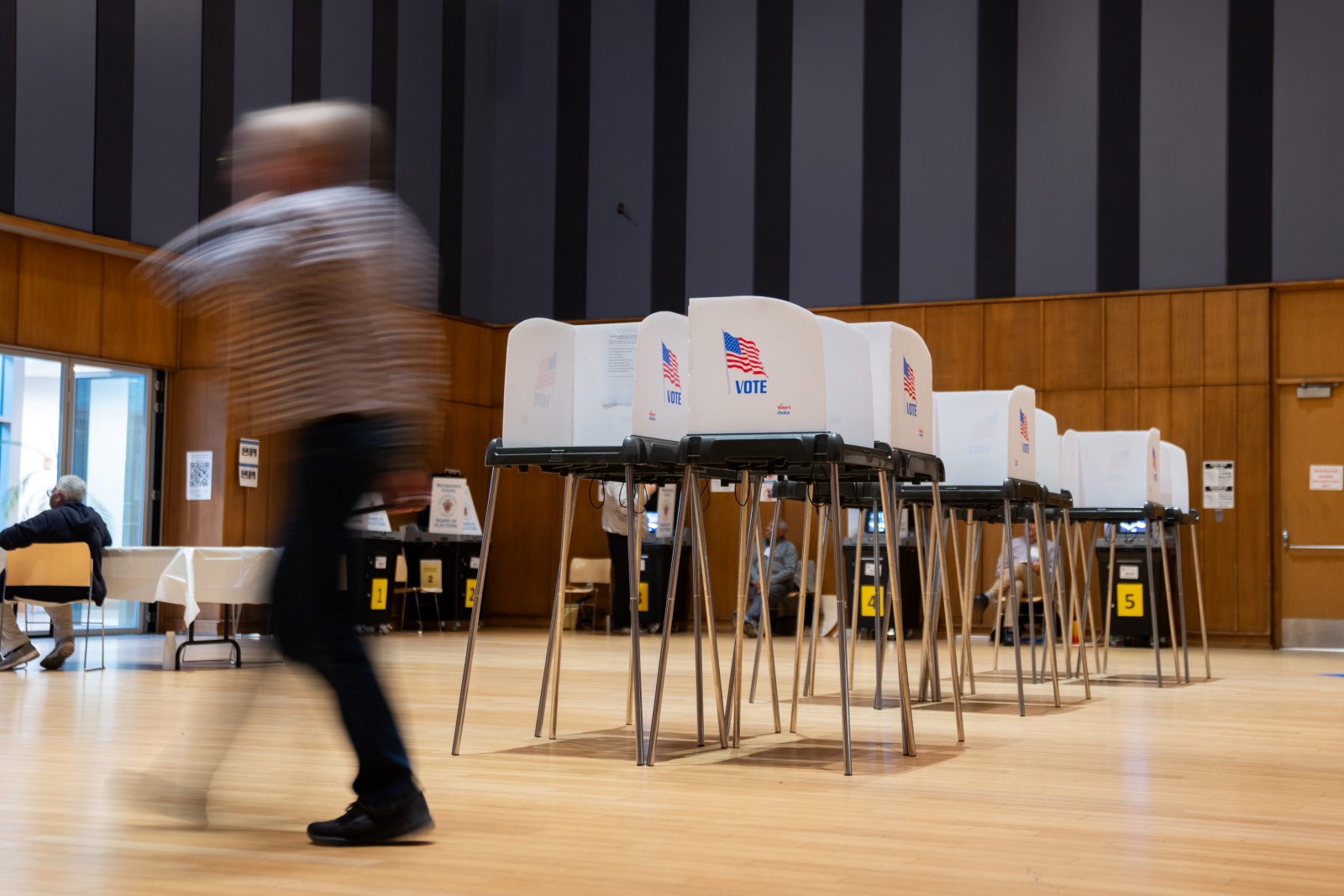
A Pew Research Center survey of 5,062 US adults, conducted between September 28 and October 4, found widespread public dissatisfaction with Trump’s handling of the Iran conflict, although the extent of opposition varied across party lines. The survey showed that 65 per cent of respondents disapproved of the President's handling of the conflict, while 33 per cent expressed approval.
The findings also highlighted public concerns about the duration of the war and its potential consequences. Nearly half of those surveyed, or 47 per cent, expected the conflict to continue for more than a year, reflecting uncertainty about when hostilities might end.
Economic and security concerns featured prominently in the survey. Around 73 per cent of respondents said they were extremely or very concerned about rising fuel prices, underscoring the impact of the conflict on household finances. Meanwhile, 71 per cent expressed serious concern about American troops being wounded or killed, while 58 per cent were worried about the possibility of US ground forces being deployed to Iran.
Taken together, the findings indicate that public opposition to the conflict extends beyond partisan disagreements, with economic pressures, the risk to American military personnel and uncertainty over the war’s duration contributing to widespread concern. These sentiments could influence the political debate ahead of the November 2026 midterm elections, although their precise effect on voting behaviour remains uncertain.
Read More
