The New Face of High Blood Pressure in India: Why Even Healthy-Looking People In Their 30s Are At Risk | World Hypertension Day 2026
On World Hypertension Day, doctors are increasingly asking: what if the story of hypertension is no longer just about old age, salt and stress?
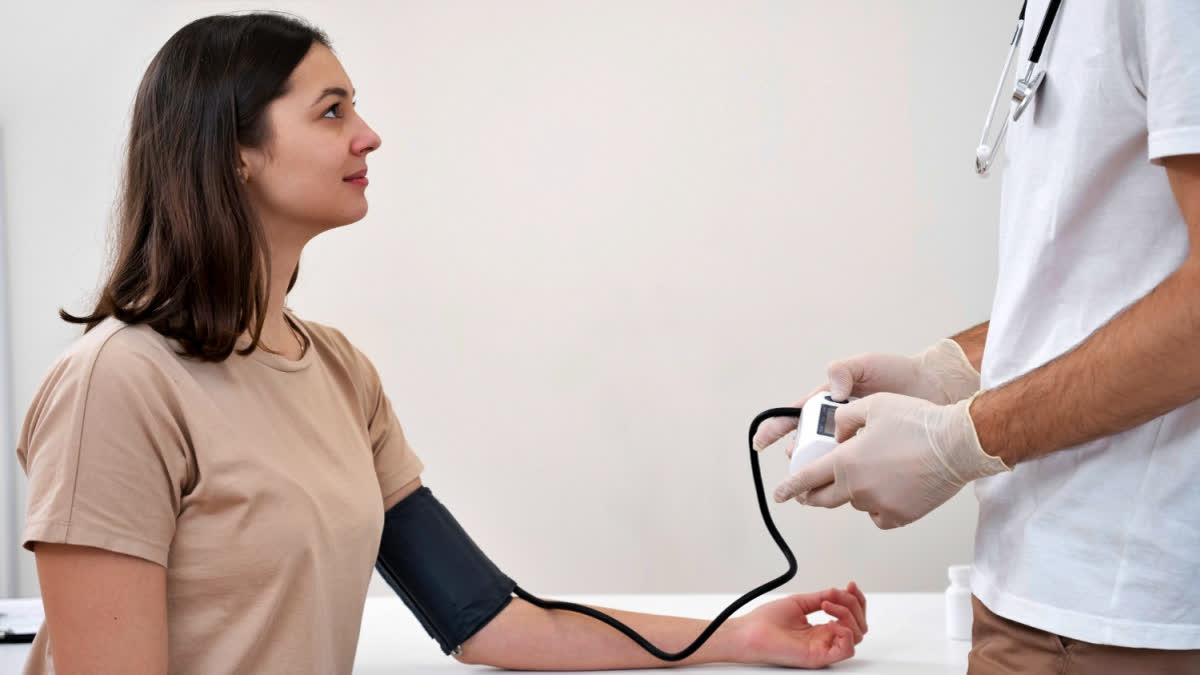

Published : May 17, 2026 at 6:31 AM IST

For decades, hypertension belonged to someone else. A man in his 60s. Maybe your uncle who ignored his medicines. A retiree carrying around a blood pressure machine like a reluctant accessory. It was not supposed to belong to a 33-year-old startup founder surviving on cigarettes and deadlines. Or a corporate executive who can finish a presentation at midnight but cannot remember the last time she slept for eight hours. Yet something strange has happened. Hypertension has begun showing up early, almost casually, among Indians in their 30s. Interestingly, many of them do not even know they have it.
High blood pressure often slips into life silently. According to doctors, what we are witnessing is not simply a rise in blood pressure. It is a rewiring of risk itself. On World Hypertension Day, experts are increasingly asking a provocative question: what if the story of hypertension is no longer just about salt and stress? What if the gut (the microbial universe living inside us) is influencing the fate of our arteries?
The Age Shift Nobody Saw Coming
“We are now seeing adults in their 30s developing hypertension, something once considered a disease of senior citizens,” says Dr. Aravinda S N, Lead Consultant - Internal Medicine, Aster RV Hospital in Bengaluru. The culprit is not one thing. It is everything. Long work hours. Sleeping at 2 am. Meals replaced by convenience food. Chronic stress disguised as ambition. Smoking that feels social rather than dangerous. Weekend binge drinking that has somehow become normalised.
In many Indian cities, modern adulthood has become a strange endurance sport. You hustle Monday to Friday, reward yourself Friday night with alcohol, processed food and minimal sleep, then spend Sunday recovering badly before restarting the cycle.
“Ageing is not the main driver anymore. Sedentary work, broken sleep patterns, ongoing stress, and diets that lean heavily on processed food are putting metabolic pressure on the body far earlier than it used to appear,” explains Dr. Debojyoti Dhar, Co-founder & Director at BugSpeaks (Leucine Rich Bio). Sedentary work, poor sleep, stress and processed diets are putting metabolic pressure on the body much earlier than before.
The Party Problem Nobody Wants To Talk About
The irony of modern stress relief is that sometimes it creates the very problem it is trying to solve.
“There is nothing wrong with partying,” says Dr. Ameya Udyavar, Consultant - Cardiologist and Cardiac Electrophysiologist, P. D. Hinduja Hospital & Medical Research Centre at Mahim in Mumbai. But what accompanies partying matters. Smoking and alcohol act as stimulants. They increase heart rate and blood pressure. Binge drinking (4-5 drinks in a night) can push blood pressure up for hours. Even when alcohol leaves the bloodstream, the cardiovascular stress lingers.
Then comes the food. The average Indian is supposed to consume less than one teaspoon of salt a day. Yet a single evening of salty fried snacks, chips, processed appetisers and greasy takeout can multiply that intake three or four times. Nobody thinks of chips as cardiovascular sabotage. They think of them as snacks.
The Missing Character In The Hypertension Story
Here is where the story takes an unexpected turn. For years, gut health was treated like wellness jargon: the territory of kombucha enthusiasts and probiotic marketing. But researchers and doctors are increasingly treating the gut microbiome as something far more consequential. Inside your digestive system lives an ecosystem of trillions of bacteria, both helpful and harmful. Together, they influence inflammation, metabolism, immunity, digestion and blood pressure.
“The microbial community inside the gut directly influences inflammation, blood vessel function, and how the body manages metabolic balance,” says Dr Dhar. When beneficial microbes decline, inflammation rises. Blood vessels lose flexibility. Insulin handling becomes inefficient. All of this contributes to elevated blood pressure. The causes of gut imbalance sound painfully familiar: processed food, low fibre diets, excessive sugar, poor sleep and frequent antibiotic use.
In other words, modern urban life. “People who consume junk food, ultra-processed foods and low fibre diets create an unhealthy gut microbiome,” explains Dr Aravinda S N. That imbalance contributes to obesity, insulin resistance and hypertension. Ironically, many young adults are already living with warning signs: Fatigue, bloating, acidity, poor digestion, energy crashes. Most people treat them separately. Antacid for bloating. Coffee for tiredness. Weekend detox for exhaustion. Rarely do they ask: Is this all connected?
Biggest Myth About High Blood Pressure
If hypertension had a superpower, it would be invisibility. “Many patients remain asymptomatic for years,” says Dr. Anjan Siotia, HOD - Cardiology, BM Birla Heart Hospital. This creates one of the biggest myths surrounding blood pressure: people assume they will feel sick. They expect headaches, dizziness or warning signs. Often, none arrive. The first symptom might be a heart attack or kidney damage or a stroke.
Another myth? That only overweight or visibly unhealthy people develop hypertension. Reality disagrees. Stress, poor sleep, smoking, alcohol, genetics and metabolic dysfunction can raise blood pressure even in someone who looks perfectly fit. This is why doctors increasingly recommend regular BP monitoring starting at 30... even if you feel absolutely fine.
The Gut-Heart Axis
Think of the body less like separate departments and more like an interconnected operating system. Poor sleep affects stress hormones. Stress affects gut bacteria. Gut bacteria influence inflammation. Inflammation affects blood vessels. Blood vessels influence blood pressure.
“Blood pressure is not just a heart issue,” says Dr. Purshotam Lal, Director - Interventional Cardiology and Chairman Metro Group of Hospitals. “It reflects overall metabolic and lifestyle health.” Even habits people dismiss as harmless such as excessive caffeine, late-night eating, irregular meals create ripple effects, says Dr. Hitesh J, Consultant Cardio Thoracic and Vascular Surgeon, SPARSH Hospital, RR Nagar in Bengaluru.
Hypertension, increasingly, looks less like a single disease and more like the visible symptom of a lifestyle system under strain.
So What Actually Helps?
The good news is frustratingly simple.
- More fibre.
- Better sleep.
- Less processed food.
- Movement.
- Lower salt intake.
- Stress management.
- Hydration.
- Regular blood pressure checks.
A diet rich in fruits, vegetables, whole grains and probiotics may support both gut balance and cardiovascular health. The point is interruption. Interrupting the cycle before silent damage accumulates.
As Prof. Rakesh Yadav, Cardiologist and Head - Department of Emergency Medicine, AIIMS, New Delhi, recently warned at the ‘Illness to Wellness Conference on Transforming Hypertension Care: Prevention to Wellness’ organised ahead of World Hypertension Day: “Hypertension is no longer limited to older adults or affluent populations. It is affecting younger Indians, children and adults across society. The biggest problem is that despite increasing awareness, people still do not monitor their blood pressure regularly or continue treatment consistently. Obesity remains one of the major underlying causes, and regular monitoring of blood pressure and sugar levels, affordable lifelong medication, healthy dietary practices and weight management are essential to reducing mortality associated with hypertension and related diseases.”
Hypertension in your 30s is not simply bad luck. It is often the body’s protest against how your life is being lived.
Also read:
- You’ve Had A Baby. Why Is Your BP Suddenly High? Understanding Postpartum Hypertension And The Red Flags At Home
- Merely Calling Hypertension Lifestyle Disorder Not Enough To Deny Disability Pension: Delhi HC
- Why Kidney Health Is Key To Managing High Blood Pressure Effectively
- How To Detect High BP Before It’s Too Late; Know The Silent Symptoms
