World Heart Day: Your Daily Drive May Be Stressing More Than Just Your Mind, Says Cardiologist
The WHO says there is a connection between chronic noise from traffic and various cardiovascular issues such as high blood pressure and ischemic heart disease.

Published : September 29, 2026 at 9:57 AM IST

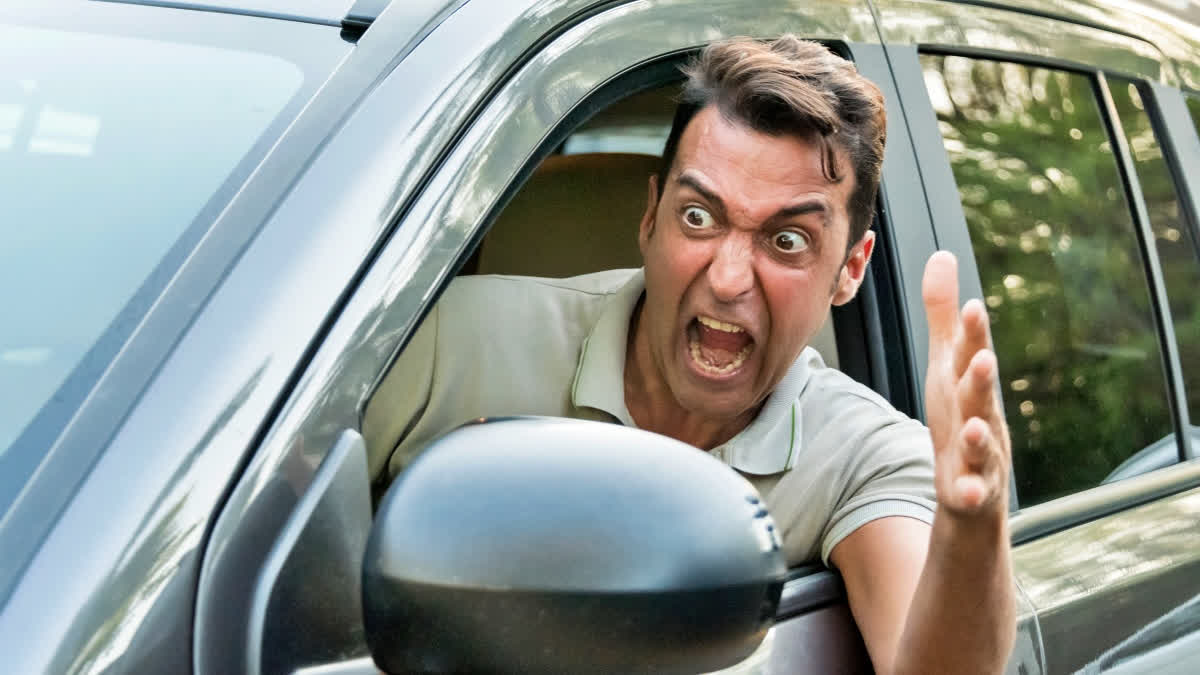
The state of the cardiovascular system is often determined by things such as cholesterol, blood pressure, diabetes, nutrition, and physical activity. But there is one more thing that impacts our cardiovascular condition, and this is the way we experience stress in our everyday life. For city drivers, going to work becomes a stressful experience due to traffic jams, aggression while driving, constant honking, speeding and road rage.
What is being questioned here is the idea that one stressful trip, one honk, and one episode of road rage can cause a heart attack.
What Happens Inside the Body During Stress?
Activation of the “fight or flight” mechanism happens when a person feels any form of threat, anxiety, or frustration. Some of the stress chemicals include adrenaline and cortisol, which increase blood pressure and heart rate in preparation for any imminent activity. If the reactions happen often, particularly alongside unhealthy sleep patterns, insufficient exercise, smoking, unhealthy diets, or any existing conditions like high blood pressure and diabetes, then the overall cardiovascular risk picture becomes worse. The World Health Organization (WHO) says there is a connection between chronic noise from traffic and various cardiovascular issues such as high blood pressure and ischemic heart disease.
It's Not Just The Honking
Horn-blowing is one of the many problems we face. Overspeeding, sudden lane changing, reckless overtaking, tailgating, and road rage are examples of other driving behaviours that cause our bodies to experience stress. Some drivers are affected so much by stress that even before embarking on their working day, driving alone becomes a problem for them. This applies when they get back home after a working day as well, because they cannot unwind from their state of alertness.
According to Dr. RS Venkatesulu, Lead Consultant, Cardiology, SPARSH Hospital, Hennur Road, Bengaluru: “In talking about heart health, we tend to look at what we eat or what we see in our medical report. But we must not forget about the environment wherein we spend our day-to-day living. Constant exposure to stressful traffic conditions, aggressive drivers, honking without necessity, and the irritation of being stuck in long commutes can put the body in constant state of alarm."
He adds that it would be unwise to think that mere honking and stressful commute can directly lead to a heart attack. There are several elements that affect cardiovascular condition: blood pressure, diabetes, smoking, obesity, exercise and lack of sleep among others. However, if we can eliminate unnecessary stress that is present in our everyday life and in the road we take, then that would be a wise move.”
Pause Before The Next Reaction
This is where individual behaviour makes a difference.
The use of the horn may be a good means of safety; however, it is unlikely that repeated use of it when cars are not moving will lead to movement. Likewise, speeding up aggressively, dangerous overtaking, or getting angry with another person will not improve the situation. Take a moment to think slow down, keep some distance, avoid any confrontations, and use the horn, if necessary, to make commuting more considerate.
It must be noted that one change in driving habits will not ensure a healthier heart. Physical activity, proper sleep, balanced diet, no smoking, good blood pressure and glucose levels are still very important.
If there's one message vehicle owners and drivers can take away from World Heart Day 2026, let it be this: we might not have any influence on the traffic but we can rethink our attitude towards it. Quiet driving is not going to help people replace their doctor's recommendations or live healthier, it's only a step in the right direction of taking care of your heart.
References:
- https://academic.oup.com/cardiovascres/article/122/5/621/8493284
- https://www.ovid.com/jnls/environepidem/fulltext/10.1097/ee9.0000000000000400~road-traffic-noise-and-incident-ischemic-heart-disease
- https://www.sciencedirect.com/science/article/abs/pii/S2214140523000853
Also read:
- The Menopause-Heart Health Connection Every Woman Should Discuss With Her Gynaec
- The Regenerative Question In Cardiac Care: Can Science One Day Help the Heart Repair What Disease Has Taken Away?
- You're Young And Fit But Are You Heart-Healthy? Here's How To Find Out
- The First 10 Minutes After A Heart Attack Could Save A Life, Here's Exactly What A Cardiologist Wants You To Do
