Festive Eating With Diabetes: How To Enjoy Food Without Losing Their Balance
Rather than following restrictive diets, the focus during festivals should be on sustainable eating habits, appropriate portions, and regular monitoring of blood glucose.

By Anubha Jain
Published : September 25, 2026 at 10:38 AM IST

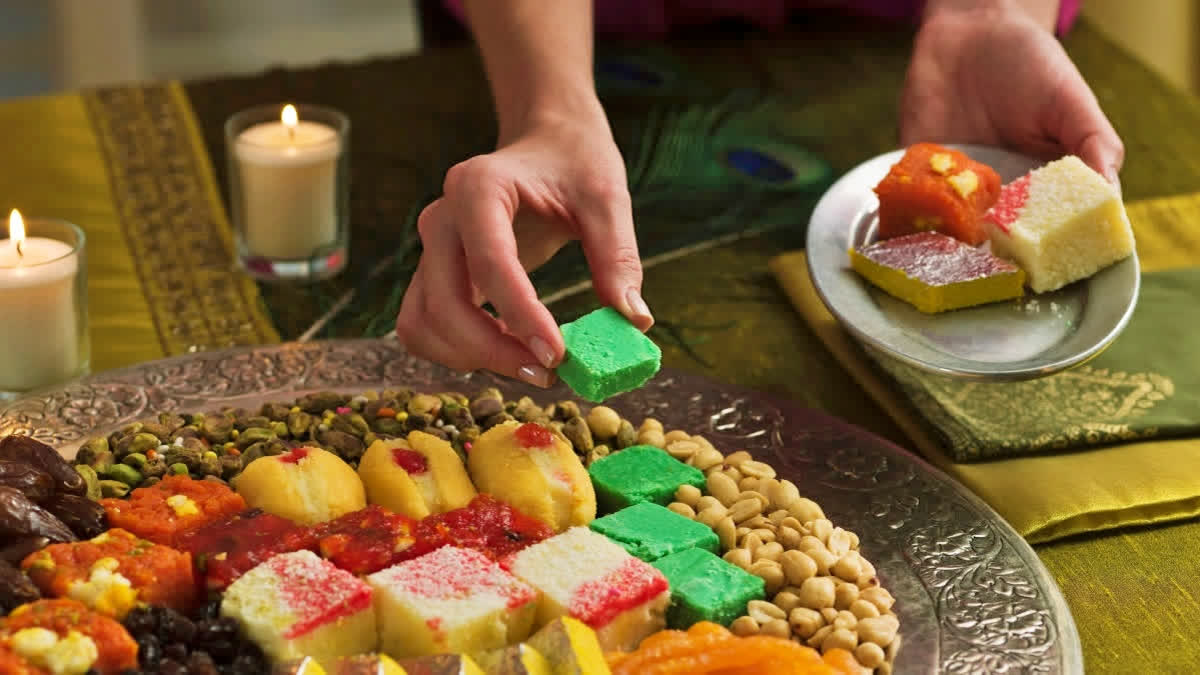
For people with diabetes, festivals can often mean anxiety over sweets, rice, fried foods and other favourite delicacies. But experts say managing diabetes during celebrations does not mean giving up festive foods altogether. The focus should instead be on portion sizes, balance, frequency and individual dietary needs.
Dinesh Bagrecha, a 50-year-old tech engineer from Bengaluru who has been living with Type 1 diabetes for nearly two decades, said he finds festive sweets particularly difficult to resist. Asked whether diabetes has changed the way he celebrates festivals, he said, “One of the things people with diabetes need to understand is that it is not just sweets; any food containing carbohydrates can raise blood sugar. It is important to know which foods have a high glycaemic index."
During festivals, to satisfy his cravings for sweets, he cuts down on other sources of carbohydrates, such as rice and rotis, adjusts his insulin dose accordingly and enjoys the sweets in moderation. "The key is portion control, followed by some extra walking or exercise to help manage the rise in blood sugar. Being insulin-dependent, diabetes has changed the way I celebrate festivals to some extent. I have to plan when and how much insulin to take so that my blood sugar does not drop too low. Apart from that, I continue to enjoy the festivities,” he adds.
Diabetes Does Not Mean Giving Up Favourite Foods
Dr Ameya Joshi, Consultant Endocrinologist, Bhaktivedanta Hospital and Research Institute, Endocrine and Diabetes Clinic in Mumbai, said, “A diabetes diagnosis can quickly turn the dinner table into a list of allowed and forbidden foods. But eating well does not mean giving up everything you enjoy. What matters is the overall plate: a balance of vegetables, appropriate protein, whole-food carbohydrates and healthy fats. Favourite foods can still have a place, depending on portion size, frequency, what they are paired with, and a person’s overall health and treatment. The goal is not to make food something to fear, but to build a sustainable eating pattern that suits your body, lifestyle and treatment while keeping you healthy.”
Also read: A Dietician's Guide For Diabetics To Celebrate Ganesh Chaturthi Mindfully
Experts say there is no one-size-fits-all diet for people with diabetes, as dietary needs vary with age, weight, medicines, physical activity and other health conditions. Rather than following overly restrictive diets, the focus should be on sustainable eating habits, appropriate portions, and regular monitoring of blood glucose. Medicines may need to be tailored as the condition evolves. Favourite foods can still have a place, provided they are consumed mindfully and in moderation.
A dietary analysis of 18,090 adults from the ICMR-INDIAB survey, published in Nature Medicine, found that carbohydrates contributed 62.3% of daily energy intake, while protein contributed only 12%, indicating a high-carbohydrate and relatively low-protein dietary pattern in India. Dr Joshi further stressed that simply switching from refined cereals to whole wheat or millets may not be enough if the overall carbohydrate intake remains high. Diabetes is a chronic condition, and dietary needs and treatment may change over time.
Moderation, Not Complete Restriction
Experts stressed that people with diabetes do not need to completely give up or restrict festive foods; moderation is key.
Said Dr Mahesh D M, Senior Consultant – Endocrinology, Aster CMI Hospital, Bangalore, “Instead of having large portions of everything, people should choose small portions of their favourites and pair them with vegetables, salads and protein such as dal, paneer or curd. Choosing one or two festive dishes is better than sampling every item. Eating slowly, avoiding sugary drinks and moving away from the dessert table after eating can also help.”
Dr Srinivasa Phanidhar Munigoti, Consultant – Endocrinology, Fortis Hospital, Bannerghatta Road, Bengaluru, said, “Quantity and frequency of consumption matter. Many traditional festive dishes contain a mix of carbohydrates, fats and proteins, which can affect blood sugar differently. A practical approach is to avoid going back for seconds and balance richer dishes with vegetables, salads or protein-rich foods during the meal. Listening to hunger and fullness cues can also help.”
Build a Balanced Plate
Dr Mahesh D M further noted that a diabetic diet includes vegetables, protein, high-fibre carbohydrates and a small amount of healthy fats; it does not mean following a carbohydrate-free diet. A simple plate can comprise 50% non-starchy vegetables, 25% protein such as dal, tofu, paneer, and 25% whole-grain carbohydrates such as roti, brown rice or millet. Portions should be tailored to individual energy needs. Fruits can also be included in appropriate portions, while junk food should be avoided.
Also read: This Festive Season, Follow This Food Safety Checklist For Milk, Masalas And Mithai Before Buying
Dr Munigoti said fibre slows the absorption of sugar into the bloodstream, while protein helps you feel fuller and reduces hunger between meals. Carbohydrates are an integral part of the Indian diet, and the emphasis should be on balancing them rather than avoiding them altogether. This can help with blood sugar control without compromising overall nutrition.
Don’t ‘Compensate’ by Skipping Meals
Many people compensate for festive indulgence by skipping the next meal or severely restricting food the following day. What would be a safer approach, particularly for those taking diabetes medicines or insulin? Dr Mahesh D M said, “This is particularly important for people taking insulin or certain diabetes medicines that can increase the risk of hypoglycaemia. Skipping meals may trigger low blood sugar in some patients and can also lead to excessive hunger and overeating. Rather than starving yourself the next day to compensate for a festive meal, stick to your regular meal plan, watch portion sizes, stay well hydrated and continue your usual exercise routine. Do not alter your medication without consulting your doctor.”
‘Natural’ and ‘Sugar-Free’ Do Not Mean Risk-Free
What are some common misconceptions about festive foods for people with diabetes, for instance, that jaggery, honey, dates or “sugar-free” sweets are automatically safer?
Dr Mahesh D M said, “Foods labelled ‘natural’ or ‘sugar-free’ are not automatically safer for people with diabetes. Jaggery and honey still contain sugar and can raise blood glucose, while dates, though naturally sweet, contain carbohydrates and should be eaten in moderation. Sugar-free sweets may also contain carbohydrates and calories from flour, starch, milk powder and nuts. It is important to check the nutritional information on the back of the packet rather than relying on claims on the front.”
Diabetes and Obesity: Look Beyond Blood Sugar
For people living with both diabetes and obesity, Dr Joshi noted that the focus should go beyond blood glucose alone. Total calorie intake, portion sizes, hunger and fullness, body weight and physical activity also matter. Dr Munigoti said that excess calorie consumption during festivals can contribute to weight gain, which may further affect blood sugar control over time. Patients should limit festive foods, avoid snacking throughout the day and stay physically active while maintaining regular meal times as much as possible. Paying attention to hunger and fullness signals can also help prevent overeating while still allowing people to participate in celebrations.
What If Blood Sugar Spikes After a Festive Meal?
One high glucose reading after a celebratory meal, Dr Munigoti said, is typically not a reason to panic. Patients should drink plenty of fluids, take their prescribed medications and return to their usual meal plan. It is also useful to monitor glucose levels over the next few days to see if they return to their usual range. However, if high post-meal readings continue to occur repeatedly over several days, or if glucose levels remain consistently above the target range recommended by the treating doctor, it is advisable to consult a healthcare professional. Persistent spikes may mean that eating patterns, physical activity or diabetes treatment need to be reviewed.
Festivals need not mean giving up the foods you enjoy. With some care over portions and choices, people with diabetes can still enjoy the celebrations without compromising their health.
Also read:
- Can People With Diabetes Eat Bananas? Their Sweet Truth May Surprise You
- What Diabetics Should Eat And What They Should Avoid, According To A Senior Nutritionist
- Can Dal, Curd And A 14-Hour Fast Help Control Diabetes? Study On Diabetic Indian Women Finds Lacto-Vegetarian Diet Fruitful
- Christmas Preparation Begins Early In Hyderabad With Cake Mixing And Grape Stomping
