Mithai To Makhana, How Health Became The Default Festive Gift
The monthly domestic consumption of popped makhana rises from 3,000-3,500 tonnes in regular months to around 5,000 tonnes during the festive season.


Published : November 5, 2026 at 5:17 PM IST

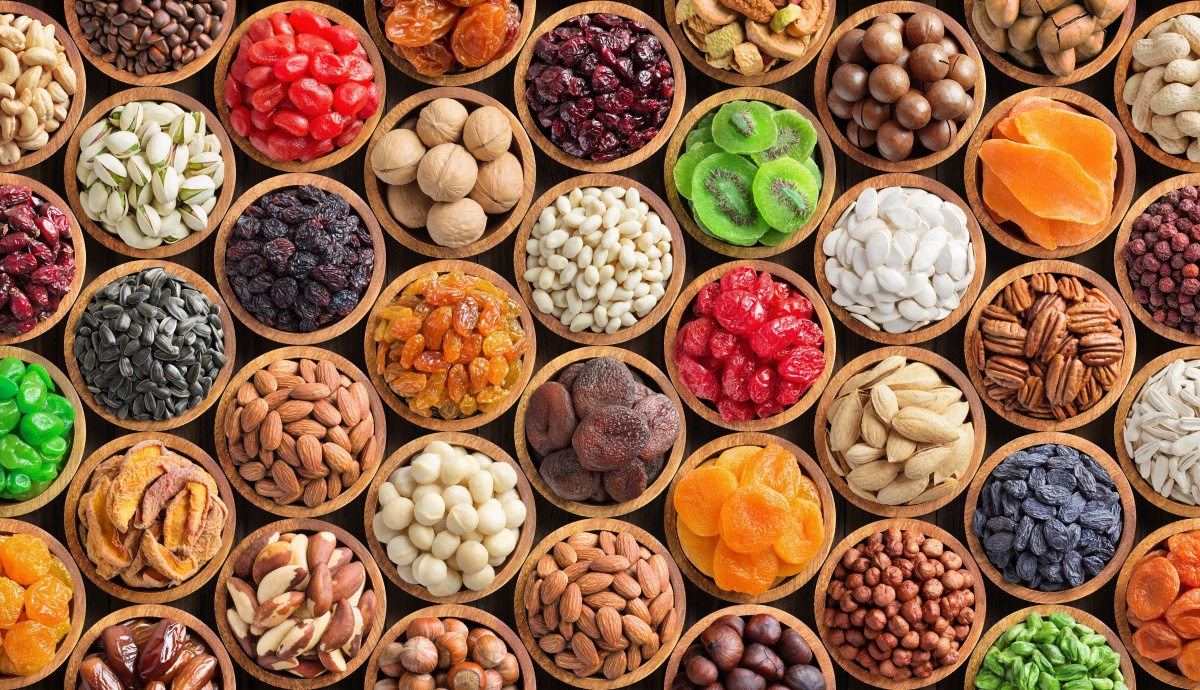
The size of a festive gift box was once judged by the sweets inside and the ribbon on top. Now people are thinking what the recipient will enjoy after the celebrations. This is where nuts, dry fruits and makhana are finding a bigger space in the gifting traditions of India. This is not to substitute mithai. Even today, the joy of Diwali includes a good laddoo or a piece of kaju katli. The only thing that has changed is the variety. A hamper can now have traditional sweets along with almonds, dates, roasted makhana and pistachios. It looks festive, it gives more choice and it combines indulgence with everyday nutrition.
“Gifting health-conscious doesn't mean sacrificing presentation anymore. The colourful packing, elegant jars and neatly arranged assortments have made nuts and dry fruits a popular choice for gifting. A box of walnuts, figs, cashews and dates can be as festive as traditional sweets. It’s more and more about thoughtfulness rather than just the size or price of a gift,” says Gunjan Vijay Jain, President, Nuts and Dry Fruits Council (India), a pan-India industry body representing India's nuts and dry fruits ecosystem.
He adds that a further reason for this change is personalization. A hamper for grandparents doesn’t need to look like one for colleagues or friends. Families can choose from familiar flavours for older relatives, handy snack packs for the younger recipients or premium assortments for corporate clients. There’s something for every budget, too. A simple combination of almonds, raisins and makhana can be as warm as an elaborate gift basket.
Also read: Two Gulab Jamuns Too Many: How Festive Sweets Can Damage Your Liver
In this changing market, makhana has emerged as an interesting player. Government estimates released in 2026 show that the monthly domestic consumption of popped makhana rises from about 3,000-3,500 tonnes in regular months to around 5,000 tonnes during the festive season. Jain says, “This is in line with the larger snacking demand, but also indicates the growing relevance of makhana during celebrations.”
There is also a practical side. Many nuts and dry fruits can be enjoyed long after the festive season, if stored properly. A gifted variety can be part of your breakfast, school tiffin or office snack. Another good reason to choose them is their nutritional value, but sensible portions are still key.
The opportunity for retailers is to curate more variety, transparent labelling and well-priced combinations. Even traditional sweet makers can cash in by introducing dry-fruit-rich sweets and mixed assortments that retain familiar flavours while catering to changing preferences. Jain says that festivals have always been a way of showing love and appreciation through gifts. That sentiment hasn’t changed.
The traditional mithai box is here to stay. It is becoming a more diverse celebration of taste, nutrition and personal preference, and that could be the biggest change in the festive gifting culture of India.
Also read:
