Cervical Cancer Awareness Month: Simple Tests Can Save Your Life, Find Out Which Tests Detect Cervical Cancer Early
For Cervical Cancer Awareness Month 2026, let’s stop treating preventive care as optional. The gynaec's could be the most important appointment women make this year.

Published : January 14, 2026 at 12:14 PM IST

Most of us only go to a doctor when something hurts badly enough to interrupt our daily routine. But preventive tests (especially the uncomfortable-sounding ones), we keep postponing. Cervical cancer screening falls into this category. That’s exactly why January, Cervical Cancer Awareness Month, matters so much. Here’s the uncomfortable truth: cervical cancer cases are rising in India. However, it is one of the most preventable cancers if detected early. The tragedy is not the disease itself. The tragedy is that many women still don’t know when, how, or why to get screened until it’s too late.
According to doctors across oncology and gynaecology, cervical cancer often develops on the side. No dramatic symptoms. No obvious warning bells. Life goes on as usual (office, family, stress, responsibilities) while changes slowly happen in the cervix.
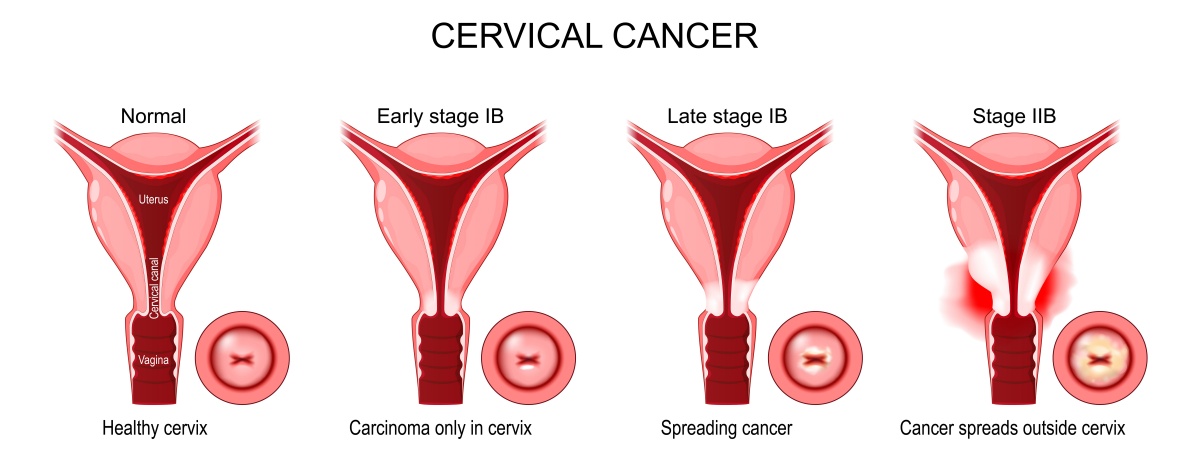
Dr Jyoti Mehta, Radiation Oncologist at TGH Oncolife Cancer Centre, says, “Many women suffer in silence simply because they are unaware that screening even exists. Early-stage cervical cancer often shows no symptoms at all, which is why screening is essential even when you feel perfectly healthy.”
In other words, waiting for symptoms is a bad strategy.
Screening Is A Game Changer
Think of cervical cancer as a slow-moving train. From HPV infection to full-blown cancer, it can take years... sometimes decades. This long window is a gift. It gives medicine the chance to intervene early, detect changes, and stop cancer before it even starts.
Dr Sachin Sekhar Biswal, Consultant Medical Oncologist at Manipal Hospital, Bhubaneswar, says "This long gap is exactly why cervical cancer is so preventable. Effective screening techniques include pap smears, HPV testing, and VIA."
Pap Smear Test
This test takes just a few minutes. It’s usually painless. And it has been saving lives for decades. Dr Jyoti Mehta says, “Abnormal cells detected through a Pap smear can be treated before they turn cancerous. That’s prevention in its purest form.”
Adds Dr Puneet Rana Arora, Gynaecologist and IVF Expert at CIFAR, Gurgaon, “Pap smear remains the most widely practiced and time-tested screening method. It’s simple, safe, and proven. Over the years, widespread Pap screening has dramatically reduced cervical cancer deaths in many parts of the world.”
Still, many women skip it. Why? Fear. Embarrassment. Or the classic excuse: “I feel fine.”
HPV Testing
If Pap smear checks for cell changes, HPV testing checks for the root cause. Human Papillomavirus (HPV) is responsible for the majority of cervical cancer cases. It’s extremely common. Most infections show no symptoms and often clear on their own. But when high-risk HPV types persist for years, they can trigger cancer. HPV testing looks for these high-risk virus strains early.
VIA Test
VIA stands for Visual Inspection with Acetic Acid. It involves applying a mild acetic acid solution to the cervix and visually inspecting it for abnormal changes. The results are immediate. Dr Jyoti Mehta highlights VIA as an important screening option for detecting pre-cancers and early cancers, especially where advanced lab facilities may not be available.
One Size Does Not Fit All
Not all women need the same screening approach at the same age. Dr Ninad Katdare, Consultant Gynae Surgical Oncologist at HCG ICS Khubchandani Cancer Centre, explains:
- Women aged 21-29 years: Pap smears alone are usually sufficient. HPV infections are common in younger women and often clear naturally.
- Women aged 30 years and above: HPV testing (either alone or combined with a Pap smear) is more effective, because persistent HPV infections at this age are more concerning.
“Your doctor will decide the best screening method based on age, past results, and individual risk factors,” says Dr Ninad Katdare.
Don’t Ignore These Warning Signs
While screening detects disease before symptoms appear, awareness of symptoms is equally important. Dr Katdare lists warning signs that should never be ignored:
- Bleeding between periods, after intercourse, or after menopause
- Unusual vaginal discharge (watery, foul-smelling, or persistent)
- Pelvic pain or pain during intercourse
These symptoms don’t always mean cancer but they always mean you should see a doctor. Dr Sachin Biswal calls the cervical cancer vaccine another strong weapon in prevention. “When vaccination is combined with regular Pap smear, HPV DNA testing, and VIA, the impact on reducing cervical cancer burden (both nationally and globally) can be massive,” he says. Dr Puneet Rana Arora echoes this: early detection, vaccination, awareness, and recurrent screening together form the strongest strategy against cervical cancer.
Read more: