Delhi's Winter Smog Not Merely A Weather Problem But An Emissions Problem Made Worse By Weather Conditions: Experts
They stress pollution needs to be controlled at its source throughout the year instead of depending on rainfall to clear the air, reports Ankita Kumari.

Published : November 3, 2026 at 8:42 PM IST

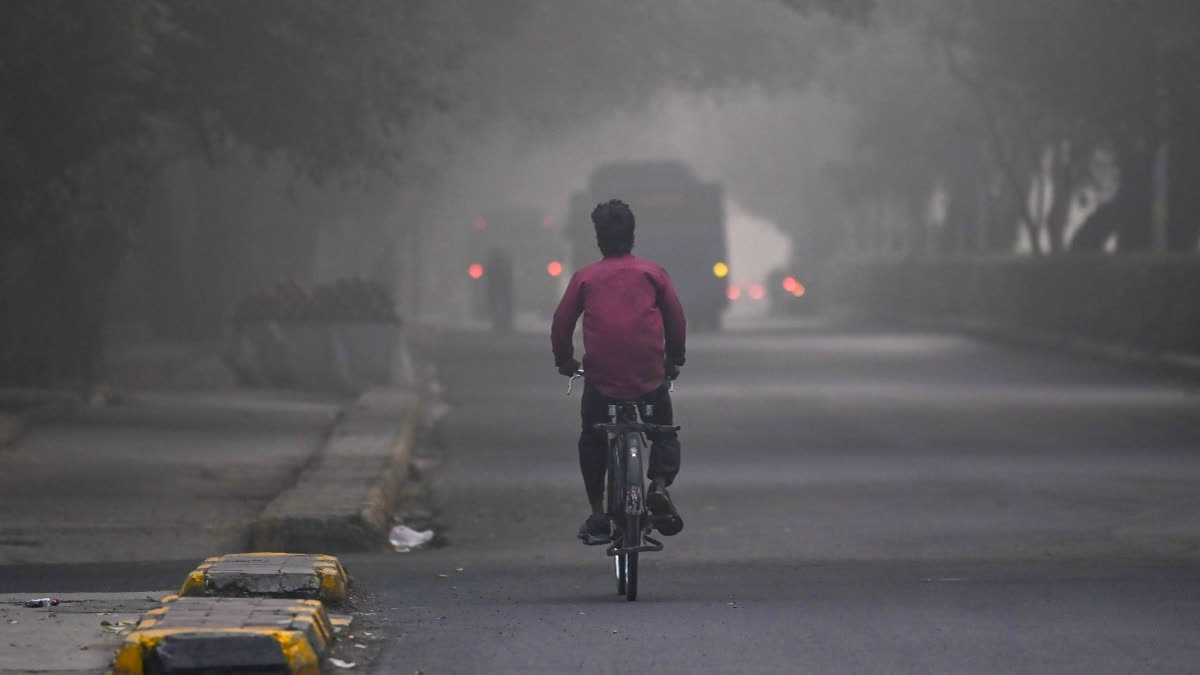
New Delhi: With Diwali approaching, air pollution across Delhi-NCR is becoming increasingly worrying, with Delhi recording a continuous deterioration in air quality over the past three days. The city's Air Quality Index (AQI) climbed to 337 on November 3, placing it in the 'Very Poor' category, while several monitoring stations in Delhi and Noida recorded pollution levels in the 'Severe' category.
The worsening situation has prompted the Commission for Air Quality Management (CAQM) to implement Stage-II restrictions under the Graded Response Action Plan (GRAP) across the National Capital Region (NCR). However, environmental experts believe that controlling Delhi's pollution requires more than restricting vehicle movement. They point towards a combination of continuous emissions, road dust, industrial activities, open waste burning and unfavourable winter weather conditions that prevent pollutants from dispersing.
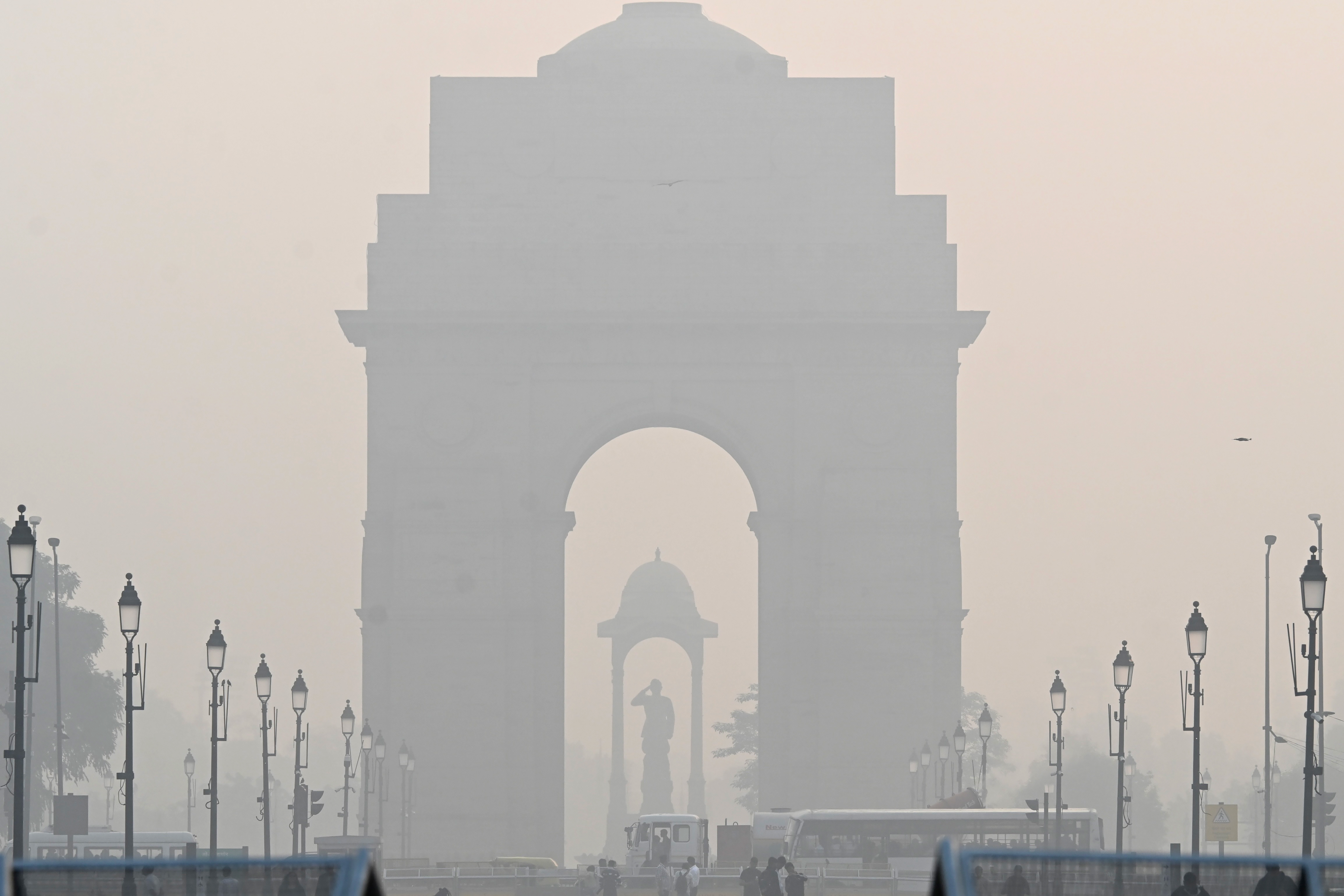
Explaining the worsening situation, Anil Kumar, former director of the Department of Environment, Government of Delhi, said meteorological conditions play a crucial role in determining pollution levels across the Indo-Gangetic Plain.
According to him, the first and second weeks of November generally witness high background pollution levels. During this period, lower temperatures, reduced wind speeds and declining mixing heights restrict the dispersion of pollutants.
When the mixing height decreases, pollutants remain trapped closer to the ground instead of dispersing into higher atmospheric layers. As a result, additional emissions from stubble burning, biomass burning and other sources can push pollution levels further beyond permissible limits.
He emphasised that the primary challenge is not just the presence of pollution sources but also the inability of the atmosphere to disperse accumulated pollutants.
Kumar also identified road dust as a major contributor to Delhi's pollution problem. He explained that dust settled on roads gets suspended again whenever vehicles move, creating additional particulate pollution.
He pointed out that road dust is often mixed with hazardous chemicals, metallic impurities, vehicular exhaust and tyre-wear particles, making it more concerning than ordinary soil dust.
According to him, damaged roads, unpaved roadside areas and improper disposal of collected dust aggravate the problem. He stressed the need for proper road maintenance, regular cleaning and greening or paving unpaved roadside areas.
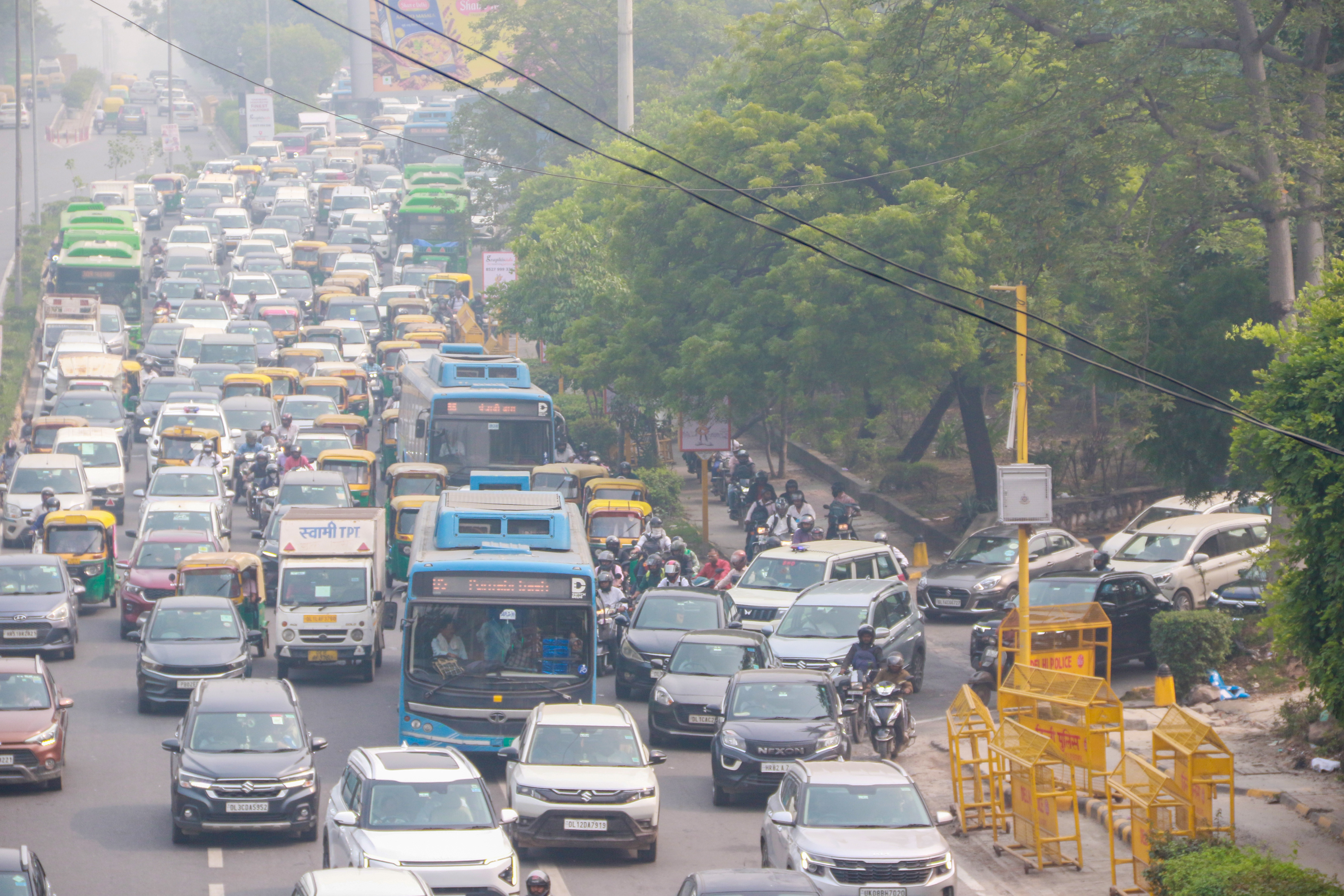
How Winter Traps Pollutants
Apart from emissions, changing weather patterns and winter meteorological conditions play an important role in worsening air pollution.
Maninder Singh Nayyar, founder and CEO of CEF Group, said climate change, coupled with low wind speeds during winter, contributes to rising pollution levels. Cold temperatures, slow wind movement and temperature inversion prevent pollutants from dispersing into the atmosphere, causing them to remain trapped close to the ground.
He explained that high humidity and foggy conditions contribute to smog formation, reducing visibility and worsening air quality. Nayyar highlighted thermal inversion as one of the major reasons behind the accumulation of pollutants. During this phenomenon, cold air remains trapped near the surface while a layer of warmer air sits above it. This warm layer acts like a lid, restricting the upward movement and dispersion of pollutants.
As a result, emissions from vehicles, industries, construction activities and biomass burning continue to accumulate near the ground. Slow winds, high humidity and low atmospheric mixing make the situation worse.
According to Nayyar, the region's location, with mountains to the north and extensive flat terrain, limits air movement under certain weather conditions. This makes it difficult for pollutants to disperse, particularly when weak winds and thermal inversion prevail.
Environmentalist Husain Hishmi also explained that winter smog is not merely a weather problem but an emissions problem made worse by weather conditions.
He said morning fog and high humidity interact with dust, smoke and other airborne particles, contributing to dense smog and increasing people's exposure to fine particulate matter such as PM2.5. Chemical reactions in the atmosphere can further affect the composition and concentration of these particles.
Hishmi added that lower temperatures reduce atmospheric mixing, allowing emissions from vehicles, cooking, heating, industries and construction activities to remain in the air for longer periods.
Nayyar said changing weather patterns and temperature variations associated with climate change can contribute to persistent pollution episodes. He emphasised the need for sustainable urban development and measures such as cleaner fuels, control over waste burning, reduced vehicular emissions and increased vegetation cover.
Hishmi stressed that pollution needs to be controlled at its source throughout the year instead of depending on rainfall or stronger winds to clear the air.
GRAP-II
The GRAP-II measures are aimed at reducing dust generation and discouraging activities that contribute to pollution. Under this stage, the authorities are required to intensify mechanical and vacuum-based road sweeping, sprinkle water on roads and increase the use of anti-smog guns.
Other measures include increasing parking fees to discourage private vehicle use and improving the frequency of Metro services and CNG and electric buses.
However, experts stress that the success of these measures depends on their implementation on the ground. Kumar said road cleaning should not be limited to sweeping. Proper collection and disposal of dust are equally important because incorrectly disposed dust can become airborne again. He also emphasised continuous monitoring through cameras and sensors at construction and transit sites.
Preparing For Possible Rise In Respiratory Cases
Apart from controlling emissions, experts believe healthcare preparedness is equally important during periods of severe air pollution. Dr Arindam Ghatak, air pollution expert, co-founder and CEO of Biomoneta, recommended that authorities use air-quality forecasts to issue early warnings and provide clear health advisories to schools, workplaces and the public.
He also emphasised the need to protect outdoor workers by reducing their exposure during peak pollution hours and providing access to cleaner resting spaces. Hospitals, meanwhile, should ensure adequate supplies of essential medicines and oxygen, strengthen patient triage and referral arrangements, and maintain proper filtration and ventilation in areas treating vulnerable patients.
He called for stronger integration of air-quality data with health surveillance systems to understand the relationship between pollution exposure and respiratory illnesses.
According to Dr Ghatak, long-term solutions should include cleaner public transport and freight systems, stricter industrial emission controls, better construction and road-dust management, reliable waste collection and cleaner household energy. He also highlighted the importance of providing farmers with affordable alternatives to agricultural-residue burning instead of relying entirely on enforcement.
Also Read:
