Analysis | 'Trump And Lessons In Conflict Management'
Centuries-old disputes, rooted in cultural, linguistic, religious, and geographical realities, cannot be reshaped overnight by threat of tariffs or the allure of temporary trade relief

By Vivek Mishra
Published : August 29, 2025 at 2:49 PM IST

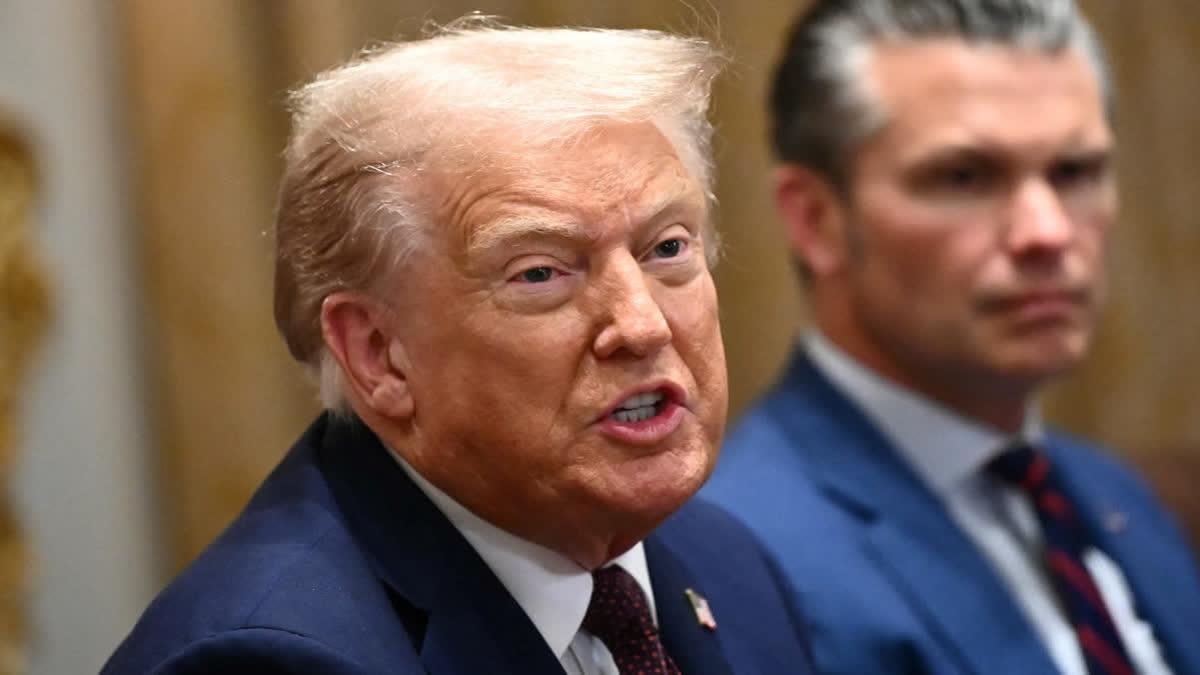
When Donald Trump returned to the White House, he carried with him the conviction that conflict resolution - whether between nations, factions, or regions - could be approached with the same blunt instruments that had defined his first presidency: tariffs, sanctions, and economic coercion. Trump has consistently imagined that economic leverage is the ultimate universal currency of diplomacy, capable of bending old rivalries into submission and compelling adversaries to cooperate. Yet, as his second administration unfolds, it is increasingly apparent that conflict resolution is not a "piece of cake." Centuries-old disputes, rooted in cultural, linguistic, religious, and geographical realities, cannot be reshaped overnight by the threat of tariffs or the allure of temporary trade relief.
At the heart of Trump's approach lies a strategic overreliance on tariffs as a coercive tool - what he considers a panacea for all ills, even disputes that have long resisted settlement. But what emerges from closer examination is a landscape of conflicts where Trump's interventions have achieved, at best, cosmetic pauses in violence or hostility. The underlying tensions remain alive, simmering beneath the surface.
Temporary Fixes, Permanent Fault lines
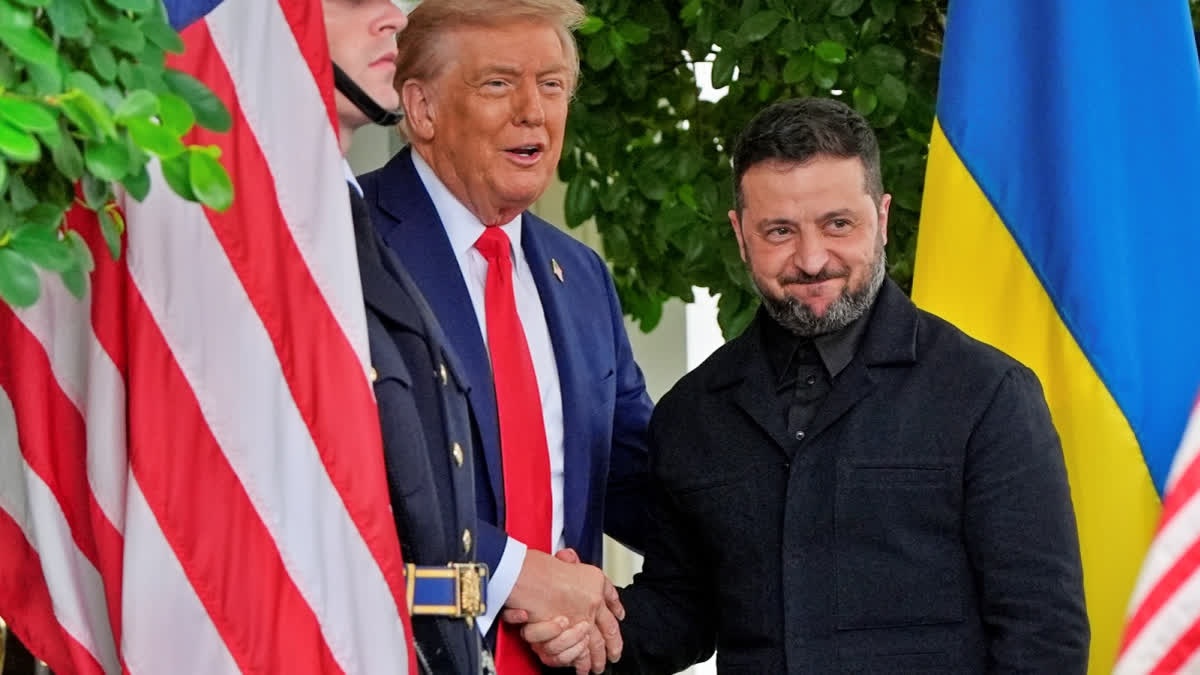
Trump has often projected himself as a dealmaker in global conflicts. He has claimed credit for mediating between Armenia and Azerbaijan, nudging both sides into uneasy truces. In Africa, he has made overtures toward resolving the Congo conflict, touting temporary arrangements in regions like the Kivu provinces and encouraging political settlements in Burkina Faso, though these remain fragile. He has also periodically tried to inject himself into the India-Pakistan dispute, persistently suggesting mediation over Kashmir and attempting to position the US as the indispensable broker.
Yet in every instance, Trump's strategy has been underpinned not by an understanding of historical realities, but by transactional diplomacy. The Armenia-Azerbaijan standoff witnessed a cooling down moment some months before Trump assumed office. In the Congo, militias and political rivalries persist, destabilising the heart of Africa despite supposed American pressure. Burkina Faso's instability has hardly abated, with military coups and jihadist violence overshadowing any fleeting deals. In each of these cases, Trump's "successes" amounted to short-term ceasefires or temporary accords brokered under the looming shadow of American economic punishment or the possibility of new economic doors opening up. The root causes such as ethnic grievances, political rivalries, territorial claims, and resource struggles are as stubborn as ever. What remains to be seen is whether these were exercises in cursory conflict management, hold as durable conflict resolution.
Limits of Economic Leverage
There are two lessons emerging from Trump’s second round of mediation experiments. The first is that economic leverage can indeed shelve conflicts temporarily. Smaller economies facing the devastating prospect of exclusion from U.S. markets or bone-breaking sanctions find it rational to suspend hostilities in order to maintain access to trade, investment, and aid. For them, Trump's tariff weapon is too costly to ignore. The second lesson, however, is more sobering: coercion does not resolve conflicts, it only suppresses them. Once the pressure eases or U.S. priorities shift, dormant conflicts could re-emerge. This is the case in the Sahel, where local disputes remain unaddressed. The sustainability of these agreements depends less on American pressure than on the political will and mutual trust of the parties themselves.
Lessons from History: Durable Peace Requires More than Pressure
History offers stark contrasts to Trump’s approach. The Camp David Accords of 1978, painstakingly negotiated by President Jimmy Carter with Menachem Begin of Israel and Anwar Sadat of Egypt, illustrate the immense effort, patience, and contextual sensitivity required for lasting peace. Carter did not merely wield economic threats; he immersed himself in the historical and emotional dimensions of the Arab-Israeli conflict, spending nearly two weeks in direct talks with both leaders. The result was not perfect, but it created a durable peace between Egypt and Israel that endured for decades. Similarly, U.S. mediation in Northern Ireland, culminating in the Good Friday Agreement of 1998, combined economic support with a recognition of cultural, religious, and identity-based grievances. The agreement's success lay not in coercion, but in careful alignment of political incentives, institutional frameworks, and external guarantees. Economic leverage might create the conditions for talks, but it does not substitute for diplomacy rooted in empathy, patience, and structural solutions.
The India-Pakistan Dilemma: A Case Study in Trump’s Miscalculation
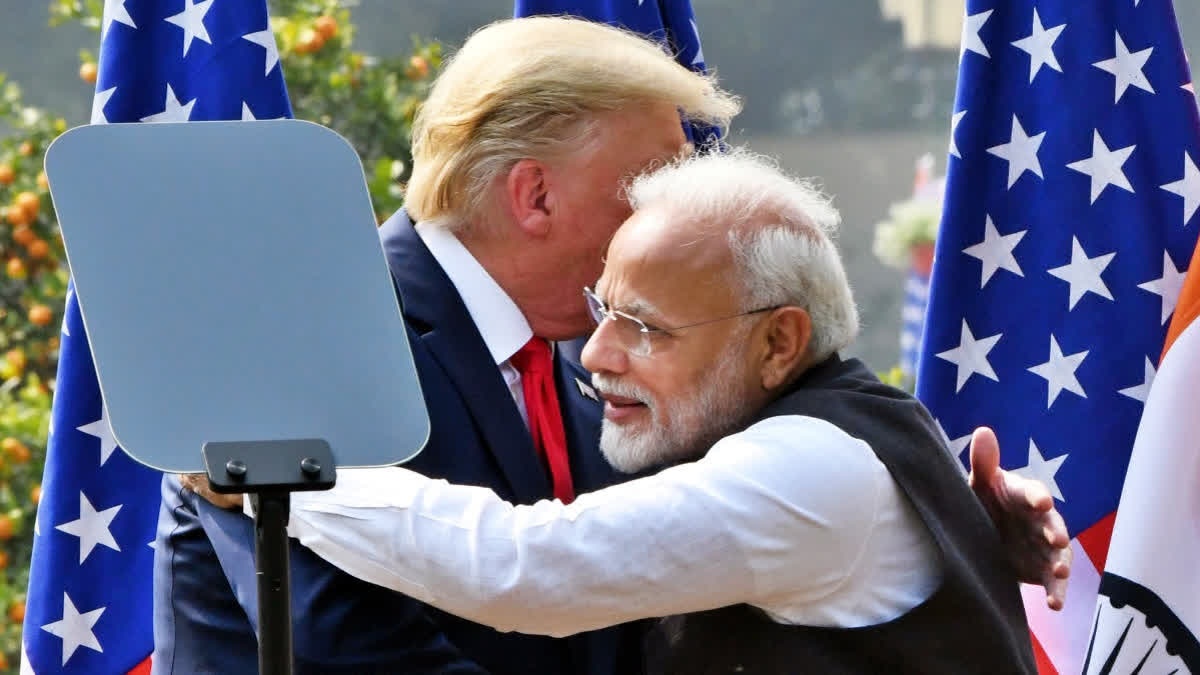
Nowhere is Trump's dilemma clearer than in his repeated attempts to insert the US into the India-Pakistan conflict. By suggesting he could mediate over Kashmir, Trump not only misread the political sensitivities of the region but also underestimated the resilience of nationalist sentiments in India. For India, any external mediation is a red line that undercuts its sovereignty claims. More critically, Trump's attempt to place India and Pakistan on the same continuum has strained U.S.-India ties. Trump's tariff threats against alongside his equating India with Pakistan in conflict mediation risked undermining that hard-earned momentum.
Far from compelling compliance, Trump's threats only serve to unify Indian political actors against perceived U.S. interference. In this sense, Trump’s coercive economic diplomacy backfires when applied to larger, more resilient powers.
The dilemma
Trump’s second administration faces a sobering reality: economic coercion is a blunt instrument, not a surgical tool. Even economically weaker states such as Iran, as well as Russia, have shown the limitations of economic toolkit when used punitively. It can stall conflicts but cannot end them. Worse, when applied indiscriminately, it risks undermining broader U.S. strategic relationships, as seen in South Asia. For smaller economies, acquiescence to Trump’s leverage may bring temporary calm, but the durability of such peace is questionable. For larger powers like India, tariffs are more likely to provoke resistance than compliance.
The durability of Trump’s conflict mediation efforts will be tested by future shifts in U.S. policy. If economic leverage remains the primary tool, conflicts are likely to resurface the moment U.S. priorities change or pressure weakens. The deeper question is whether Trump recognises that conflict resolution requires more than deal-making under duress and demands sustained diplomatic engagement, historical sensitivity, and long-term vision. Conflict resolution often is a slow, messy, and deeply human process where economic leverage may play a role, but rarely the decisive one.
(Disclaimer: The opinions expressed in this article are those of the writer. The facts and opinions expressed here do not reflect the views of ETV Bharat)