Analysis | India-US Relations: Between Pressure, Pushback, and A Possible Reset
India, while signalling its options through forums like the SCO, has consistently emphasised that its strategic autonomy does not equate to anti-Americanism.

By Vivek Mishra
Published : September 14, 2025 at 10:54 AM IST

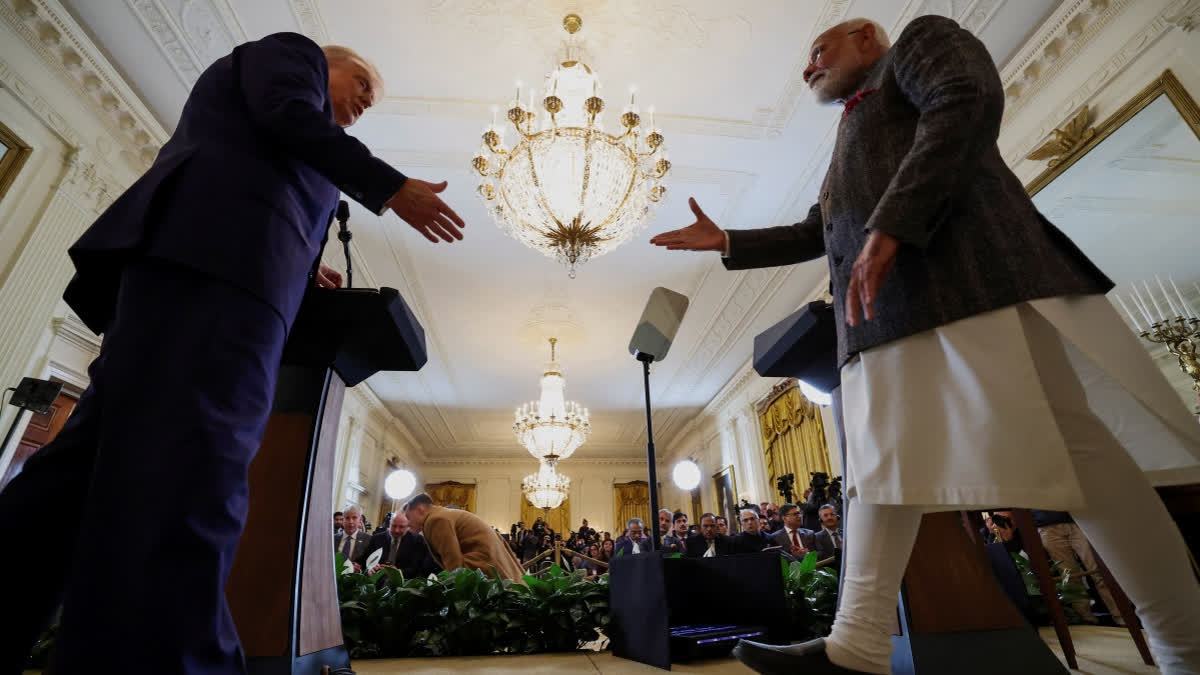
After weeks of friction, Donald Trump appears to be softening his stance on India. The offensive narrative from Washington, possibly designed to coerce New Delhi into submission, has started to lose steam. The relentless criticism that Trump’s close advisors, particularly Peter Navarro, Scott Bessent, and Howard Luttnick, unleashed against India resembled a new form of coercive diplomacy. However, the administration seems to have realised that its war of words was not producing the intended results.
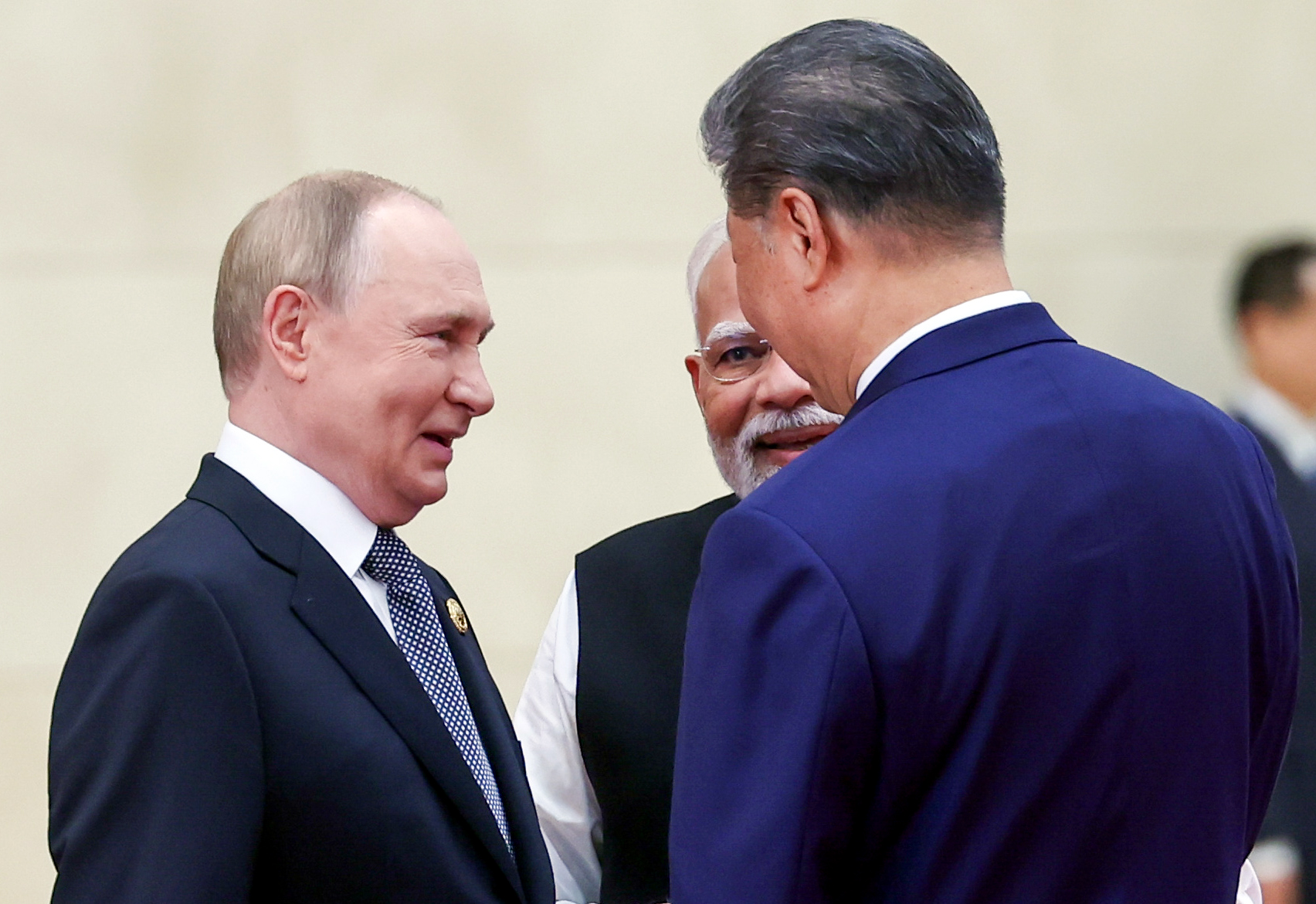
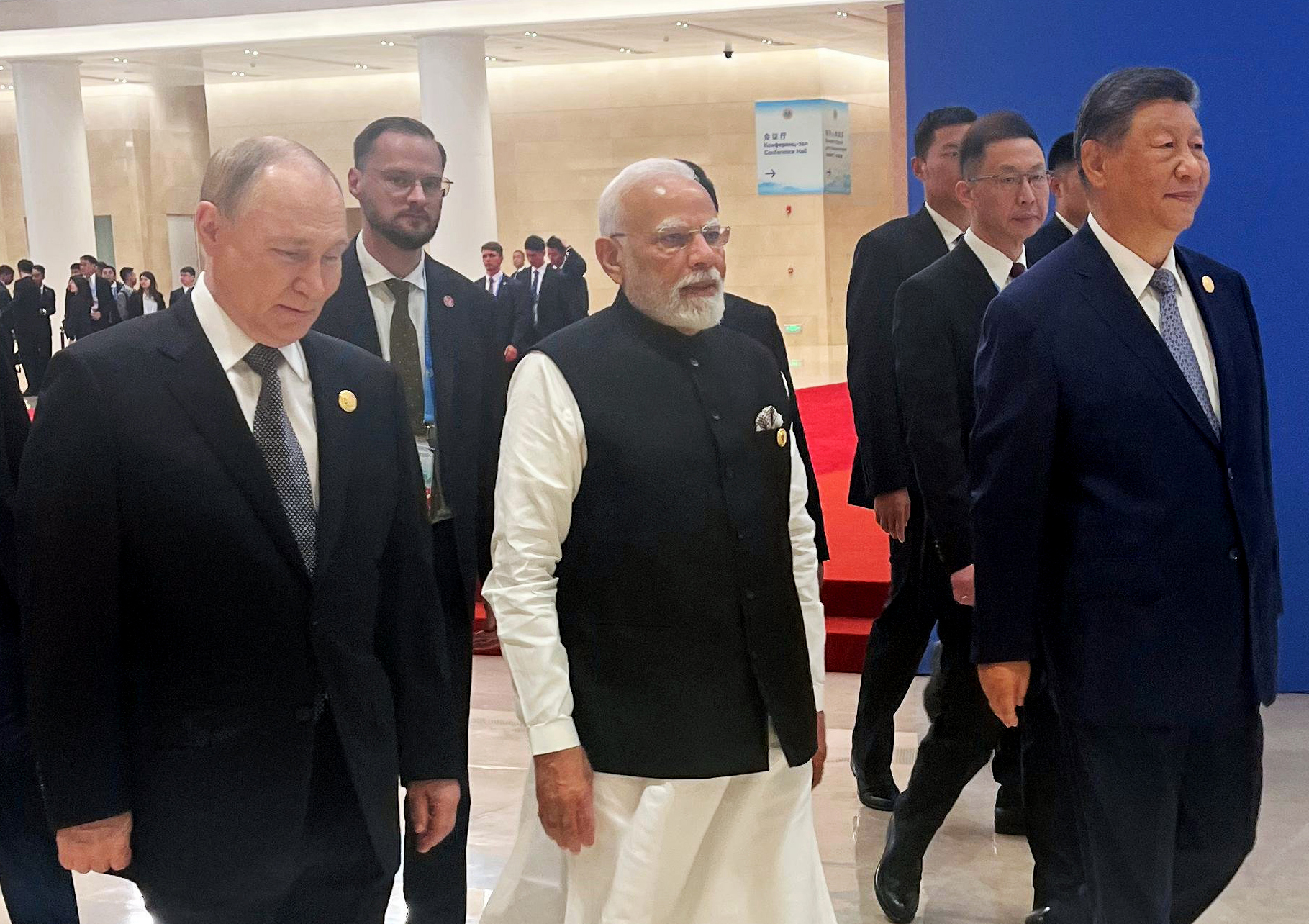
Unlike in Trump’s first term, India refrained from engaging in a tit-for-tat response. New Delhi neither publicly countered Washington’s invective nor imposed retaliatory tariffs against the United States. Instead, India opted for strategic silence. At the Shanghai Cooperation Organisation (SCO) Summit, Prime Minister Narendra Modi’s visible camaraderie with leaders of China and Russia served as a subtle pushback against Trump’s tactics. The imagery of Modi shaking hands with Xi Jinping and Vladimir Putin was enough to prompt a sharp reaction from the US President, who took to declaring that “India has been lost to the deepest, darkest China.” Washington’s uneasiness with India’s overt signalling of strategic alternatives was clear.
Even Trump’s team understands that despite his aggressive trade strategy, India remains one of the most viable bridges between the West and an expanding bloc of countries increasingly aligned against Washington. This group, loosely represented by what some analysts now call CRINK - China, Russia, Iran, North Korea, and their partners - does not necessarily overlap with the broader Global South. Nonetheless, the symbolic weight of these alignments is not lost on Washington.
Rise of Alternatives
There is growing concern within the Trump administration that a political-strategic axis is taking shape, led by emerging economies and coalitions like BRICS. Collectively accounting for nearly 40% of global GDP, these countries exert significant financial and political leverage. China, the world’s second-largest economy, has already demonstrated how its retaliatory policies can inflict real pressure on the US, as seen in the ongoing trade negotiations.
By curbing critical exports of rare earth minerals, Beijing forced Washington to grant concessions, including a temporary three-month window to resolve trade disputes. On the Russian front, the US continues to grapple with one of its most daunting foreign policy challenges to end the Ukraine war. Despite the high-profile Alaska Summit between Trump and Putin, prospects for conflict resolution remain distant. Against this backdrop, Washington’s pressure on neutral countries such as India, whose role in the Russia-Ukraine conflict is minimal, appears misplaced. Instead of bending, New Delhi is exploring new partnerships and recalibrating its foreign policy choices.
Limits to Coercion
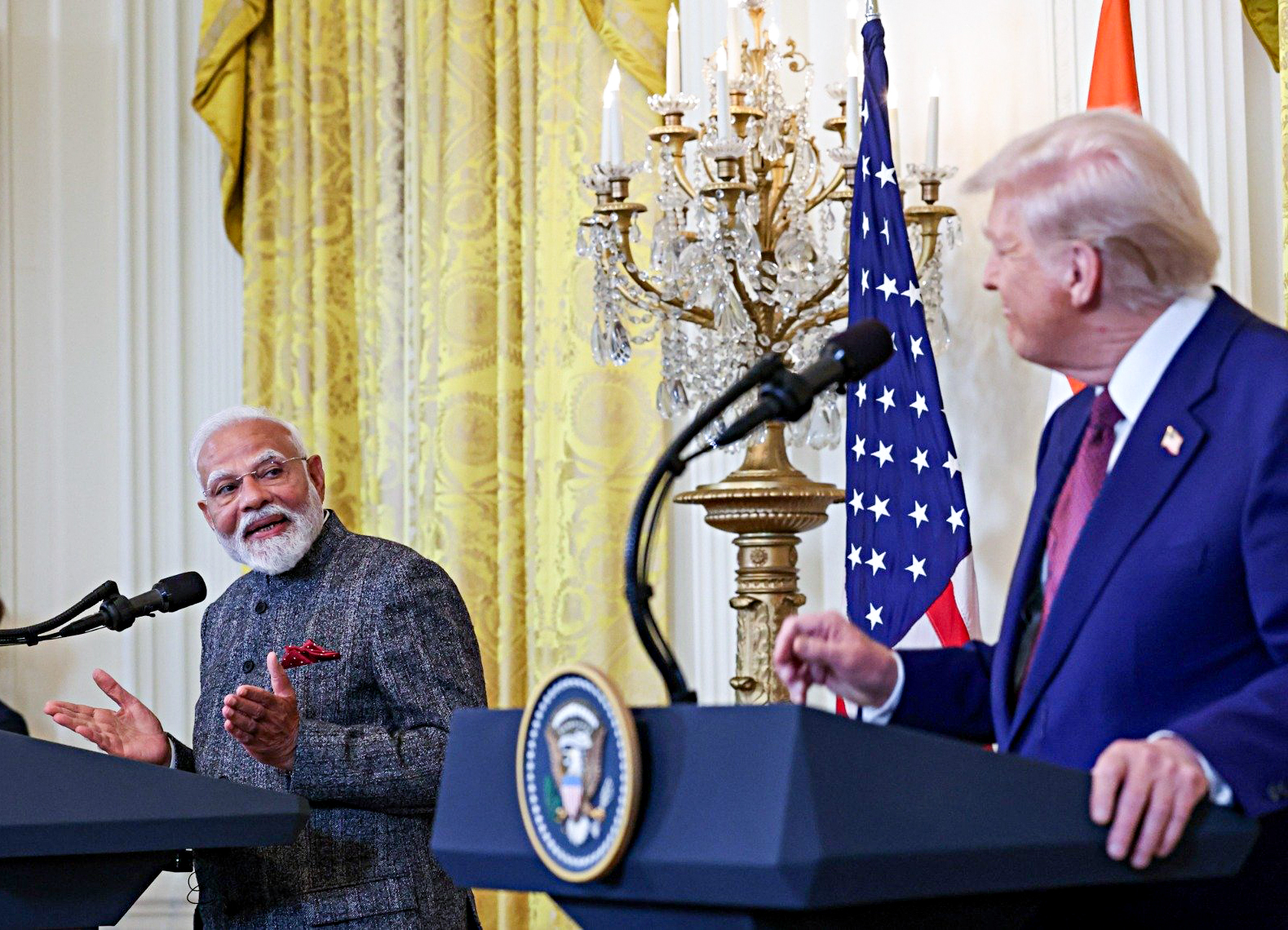
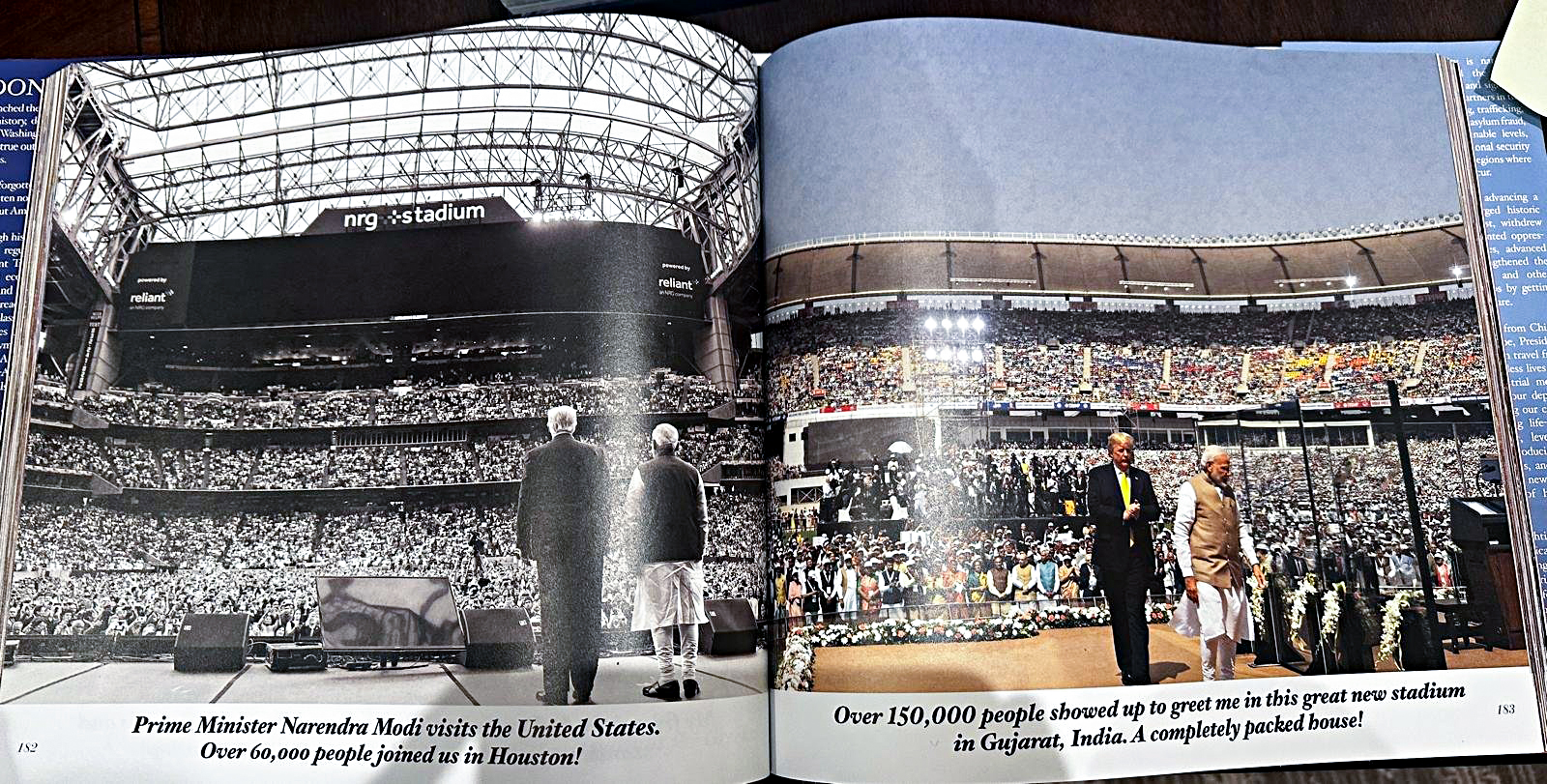
Trump’s approach overlooks two critical realities. First, even in a world of hard-nosed self-interest, partners expect some recognition of their concerns. Second, US influence has historically rested not only on economic leverage but also on its soft power – a strategy that cannot thrive on coercion alone. America’s post-Cold War foreign policy was shaped by the recognition that no single nation, not even the US, could manage global challenges in isolation. The rise of multipolarity and the emergence of the “rise of the rest” made collective engagement inevitable. Today, however, Trump’s second administration has doubled down on a transactional view of foreign policy, where trade dominates every other dimension. Such a narrow focus risks undermining broader areas of cooperation like defence, technology, climate, and people-to-people ties that have historically buttressed US soft power.
Historical Blind Spot
The US has been here before. Since China’s economic opening in the late 1970s, Washington has been consumed by geopolitical contests from the Cold War to post-9/11 conflicts, all while underestimating Beijing’s steady rise. By the early 2000s, China had become an economic powerhouse and a growing military challenger, surprising Washington with its advances in technology and maritime capabilities. This came to be known as the China shock. Today, Trump’s inward-looking policies risk repeating that mistake, only this time at the expense of America’s relations with partners like India. Trump’s vision of making the US a global manufacturing hub and the leading investment destination is ambitious. America does possess the resources and ecosystem to pursue this path. But in critical areas such as hypersonic systems, unmanned platforms, and subsurface maritime technologies, China has already surged ahead. Alienating friends and allies may weaken Washington’s capacity to compete in these domains.
Potential Inflection Point
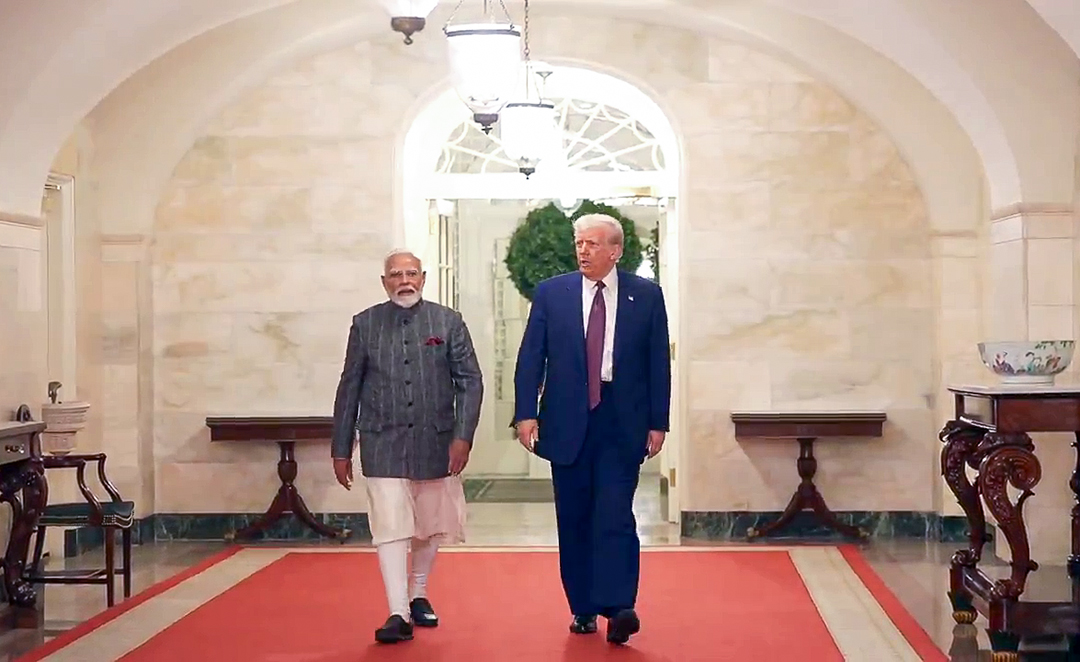
Ironically, this downturn in relations comes at a moment that could have been India’s historical inflection point. New Delhi is rapidly rising as one of the world’s largest economies, with a demographic dividend that few others can match. Its responsible leadership in the Indo-Pacific, coupled with a strong and stable partnership with the US, could galvanise a powerful growth story for both nations. The Indian diaspora in the US, which is among the most successful immigrant communities around the world, only strengthens this potential. Instead, these aspirations face turbulence. Trump’s decision to impose tariffs as high as 50% on Indian goods has cast a shadow over bilateral ties.
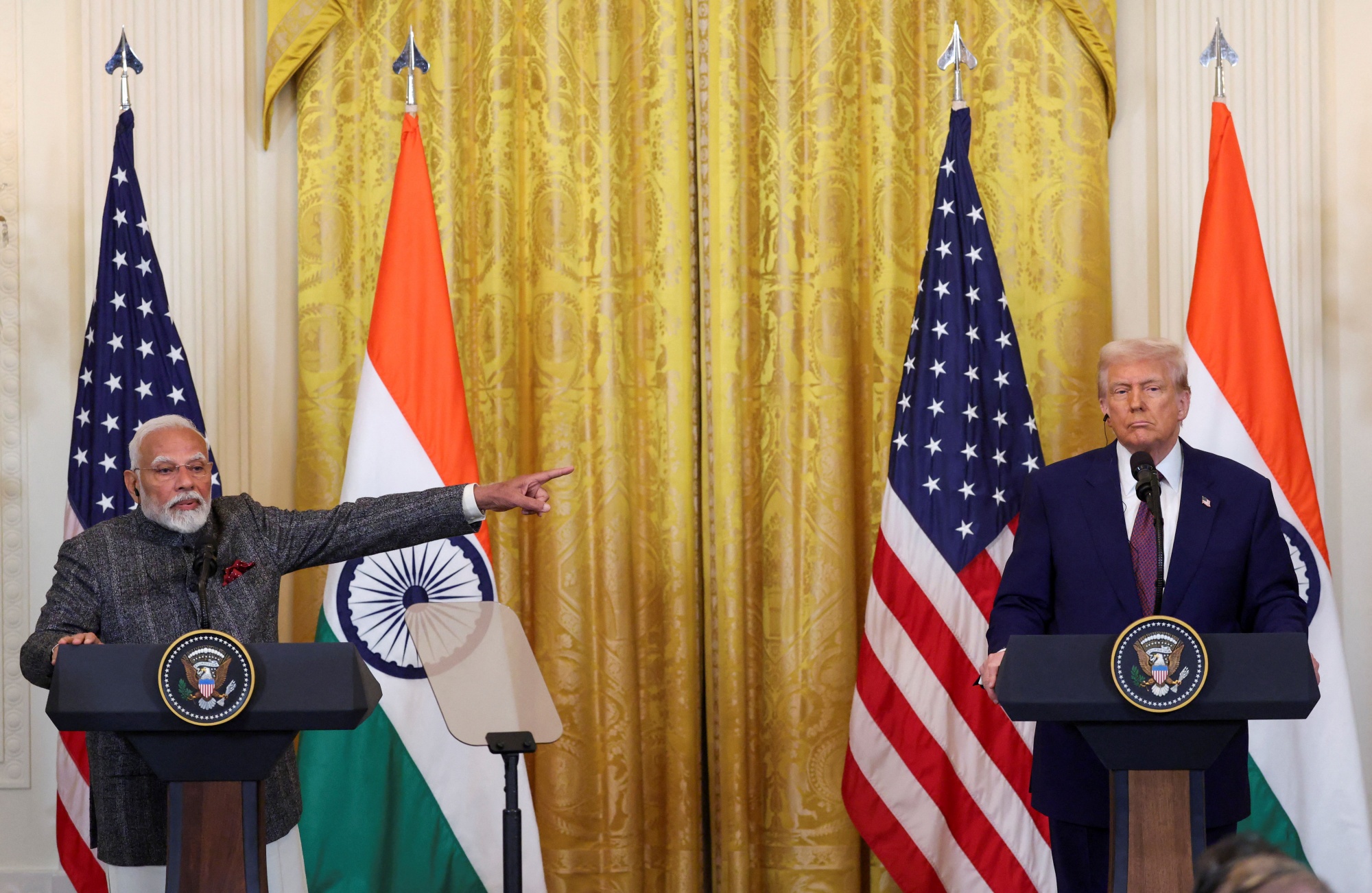
Despite these setbacks, there are signs of recalibration. Both sides have recently toned down their rhetoric, suggesting space for dialogue and compromise. India, while signalling its options through forums like the SCO, has consistently emphasised that its strategic autonomy does not equate to anti-Americanism. For its part, Washington appears to be reassessing the effectiveness of coercive tactics against one of its most important Indo-Pacific partners.
The path forward lies in resuming trade negotiations and broadening the agenda beyond tariffs. As both nations navigate shifting global alignments, they face a choice in allowing transactional politics to erode decades of trust or seize the opportunity to reaffirm their strategic convergence. The turbulence of the past few weeks and months underscores the fragility of even the strongest partnerships. If India and the US can move past the rhetoric and focus on their natural complementarity, this could well be a temporary storm rather than a permanent fracture.
(Disclaimer: The opinions expressed in this article are those of the writer. The facts and opinions expressed here do not reflect the views of ETV Bharat.)
Read More
