Priyabrata And Pattachitra: When An Artist Made His Mission To Bring A Kendrapara Village To Life
By training over 150 youth and women in the intricate art of Pattachitra, Priyabrata is not only preserving Odisha's heritage but also helping build livelihoods.

Published : June 6, 2025 at 3:51 PM IST

By Radhakanta Mohanty
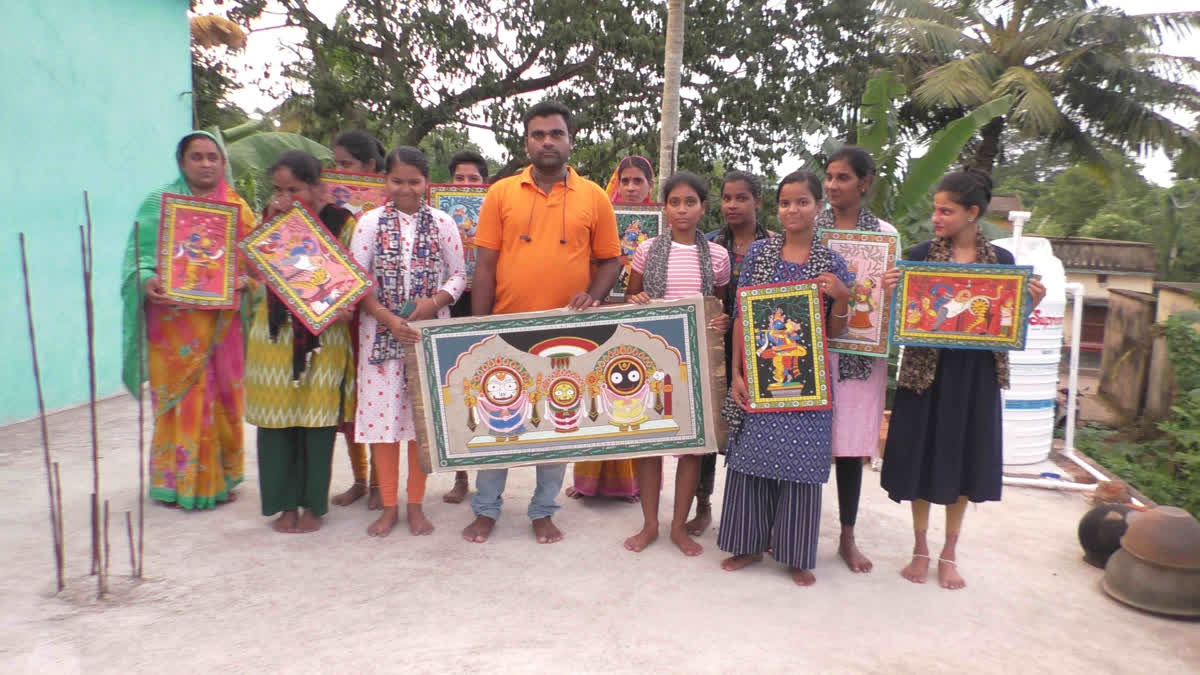
Kendrapara: If you thought the globally renowned Pattachitra art of Odisha is made only at Raghurajpur in Puri, you would probably be surprised to know that the Orishabindha village under Akhua Dakshina Panchayat in Kendrapara district is equally passionate at churning wonders in the art, thanks to a young artist named Priyabrata Jena.
From a personal passion in 2008, he has now made it a mission to have an entire village known by its Pattachitra painters. Today, over 150 artists, mostly women and youths who have not got any jobs, have been trained by Priyabrata, who are infusing new artistry into the centuries-old tradition signaling cultural revival and economic independence.
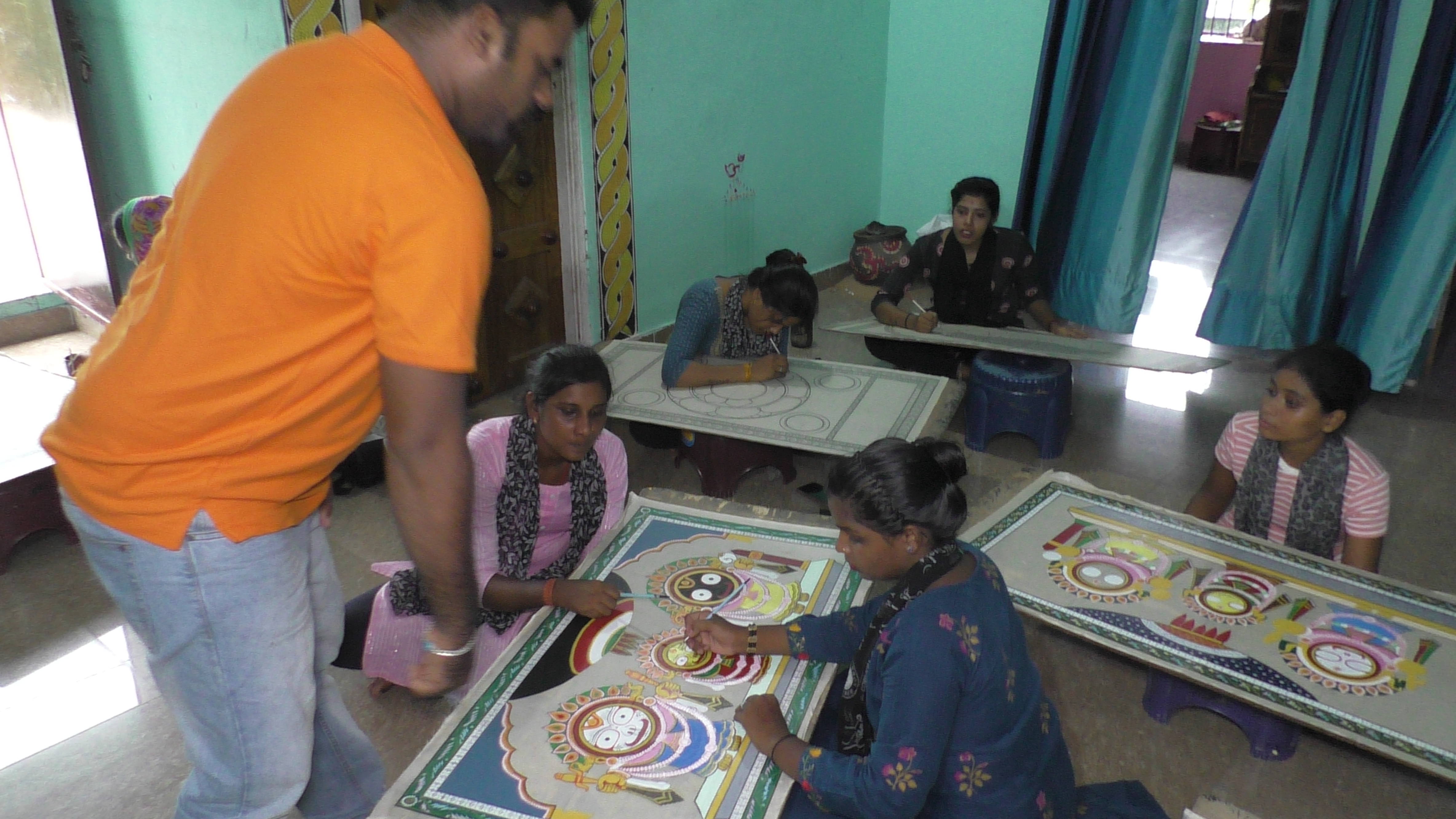
And he is helping them earn between Rs 5,000 and Rs 6,000 a month through part-time work.
“Women arrive at 10 am and leave by 1 pm, then return at 3 pm for another session. The work is one of finesse and those who are actually keen, can pursue it. You need to have patience as well. Just five hours a day can change their lives but they need to be creative and have an eye for details,” he says. Housewives, college students, and even school-going youth are among those now learning to paint under Priyabrata's guidance.
Each Pattachitra piece typically takes three to four days to complete. The finished works are sold in local markets and exhibitions, while some are taken to national craft fairs.
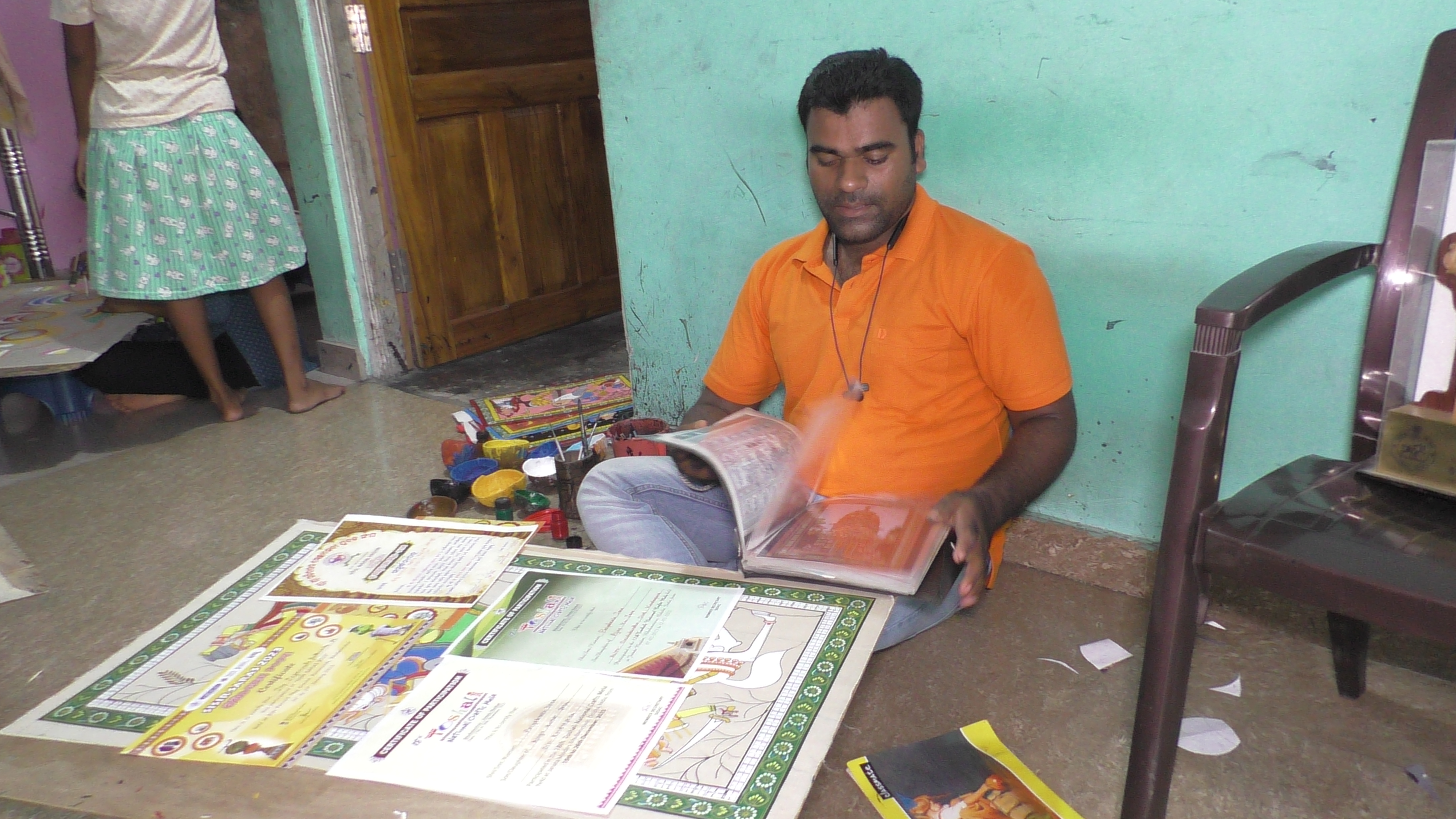
After completing matriculation in 2008, Priyabrata was enamoured by the Pattachitra paintings. But since he had no financial strength or support from his family, he was unable to find a way how he can pursue learning the art and make it his sustenance. As they say, where there is a will, there is a way, he enrolled at the State Handicrafts Training Centre in Gandamunda, Bhubaneswar with much difficulty. For three years, he studied there and paid the expenses from what he earned from a job he took up. So resolute was Priyabrata in his yearning that no amount of challenges could divert him from entirely committing to learning the craft.
He also learnt the nuances of the art from master artist Sudhir Kumar Maharana for 10 more years which finetuned his skills and deepened his understanding of the traditional techniques and symbolism behind Pattachitra.
Pattachitra is a typical Odishan art made on scrolls where on cloth, etched are the state's mythology, temple rituals, and epics. Originally developed around the Jagannath cult in Puri, the art form is steeped mostly in devotional themes. It is this pattachitra painting of the Lord Jagannath that is placed in the Srimandir sanctum sanctorum during the 'Anasara' period (15 days quarantine period) when the deities are kept in isolation after falling sick. Called Patti Dian, the Pattachitra of the deity is worshipped during this period in Jagannath temple, Puri.
But Pattachitra art is not limited to Lord Jagannath, it also includes Krishna Leela,Ramayana, Mahabharata and Ganesh Vandana and stories from the ancient days. These stories come to life through natural colours and meticulous brushwork. There are times when a single painting flowing in frames might depict the entire life of Lord Krishna.
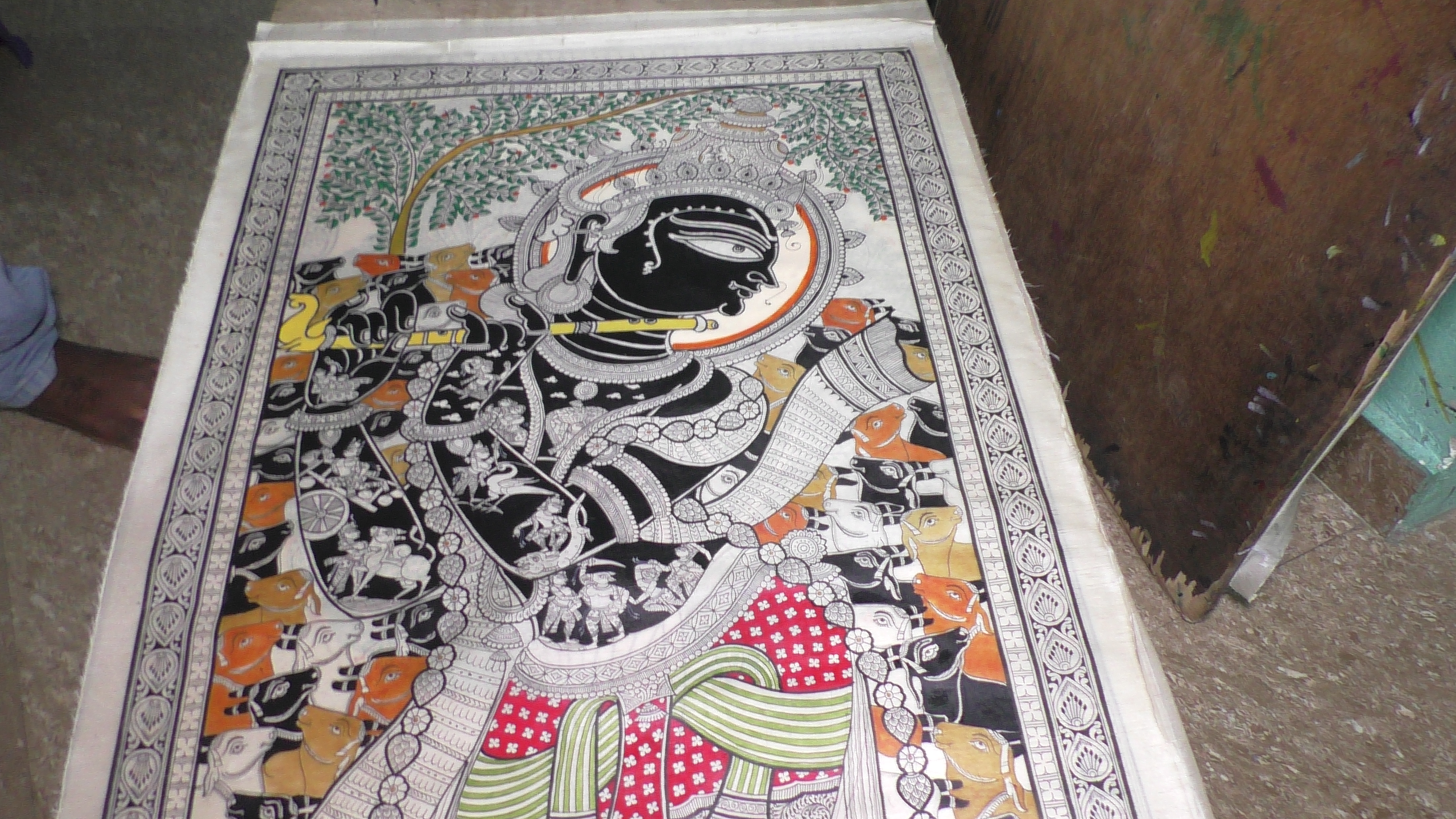
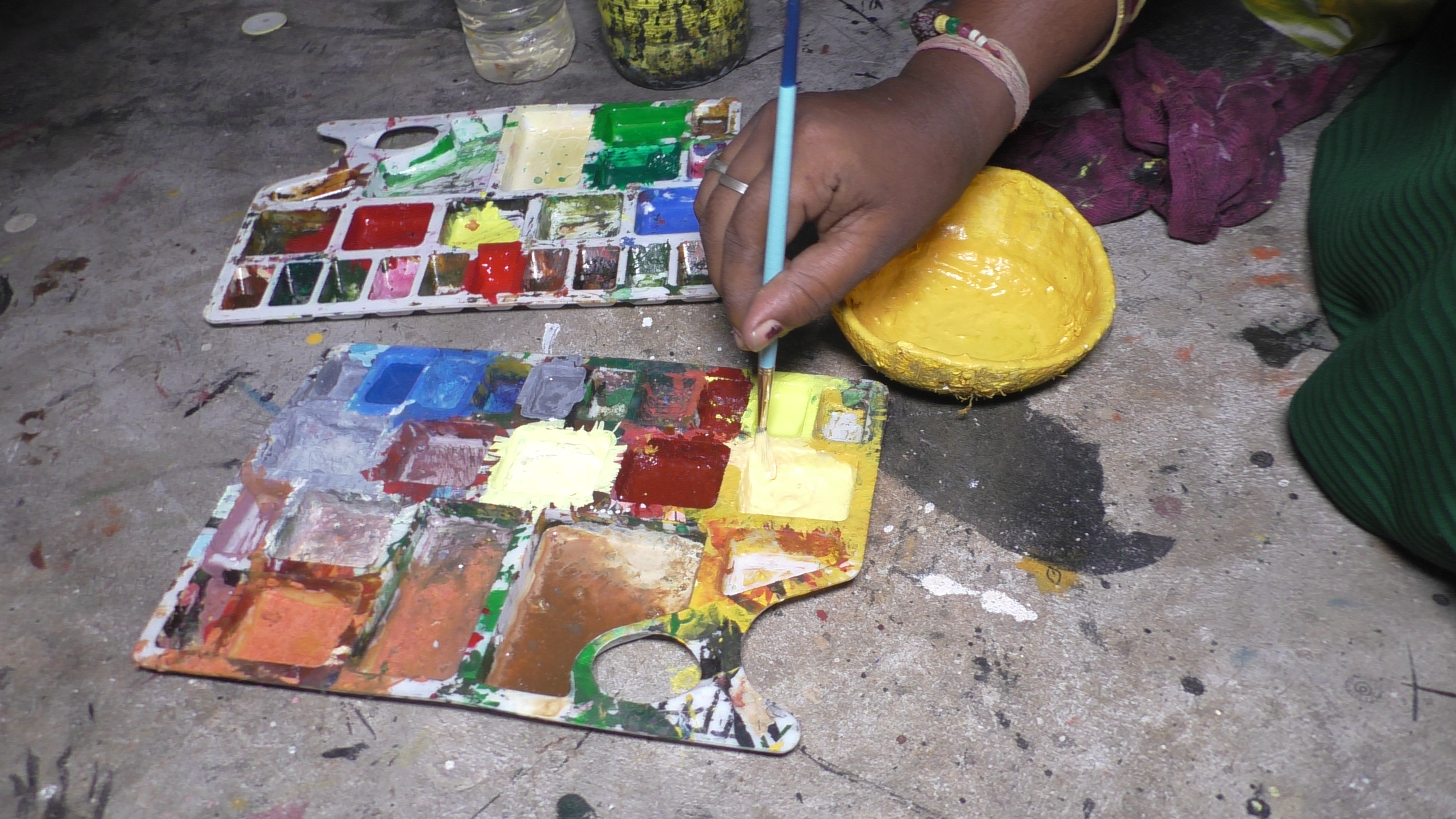
Traditionally, Pattachitra art uses natural dyes, red from hingula, yellow from harital, black from soot, and white from powdered conch shells. The canvas, called pata, is made from layers of old cloth soaked in tamarind seed paste and coated with white stone powder (khadi) before being polished with stones to create a smooth surface.
Priyabrata prepares his own canvas and is content with the final product. “It takes a lot of effort, but that is how authentic arts are born. I want to keep the tradition intact,” says the artist, who is upbeat that the art will never get extinct since there are so many artists practicing it.
For Priyabrata, art should be for cultural preservation and economic empowerment. “I want the next generation to see this art not as a forgotten remnant, but as a living skill,” he says.
Read More
